
Citation Wars: Can GEO Optimization Make Content Worse?
A 2026 simulation shows how citation-seeking rewrites can degrade quality—and how to test AEO changes without sacrificing evidence or reader value.
Answer-engine visibility desk
News, analysis, guides, and research about AEO, GEO, AI answers, citations, retrieval, technical eligibility, entity clarity, and measurement.
From this desk
The featured page offers a strong introduction. The remaining cards help readers move through this editorial section without turning the archive into a service menu.
Read the featured guide
Check whether a passage states a bounded answer, names its evidence, exposes important limits, and remains understandable outside the surrounding page.
Latest AEO & AI Search stories
New stories are added when they contribute a verified change, method, test, or useful framework—not a citation promise.
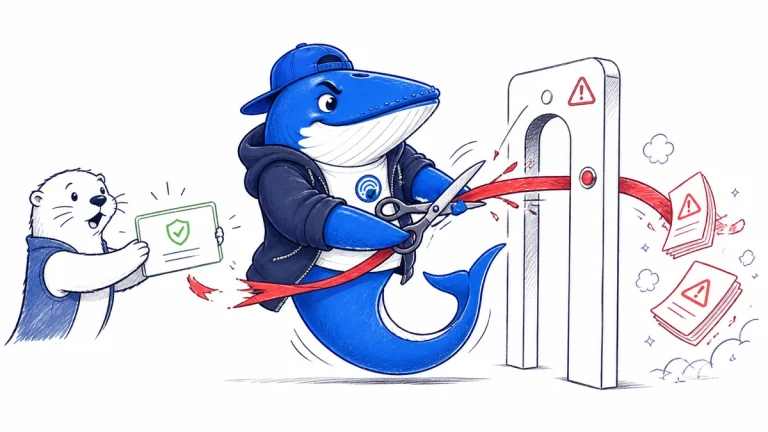
A 2026 simulation shows how citation-seeking rewrites can degrade quality—and how to test AEO changes without sacrificing evidence or reader value.
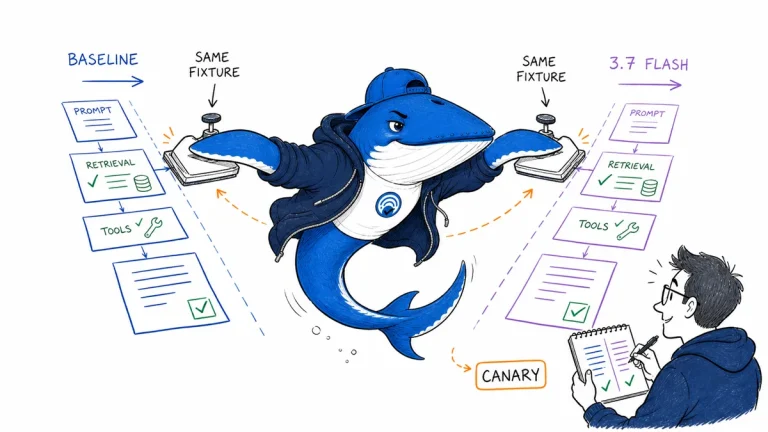
Test Gemini 3.7 Flash with frozen tasks, claim-level citation checks, tool and schema failures, accepted-task economics, reviewer agreement and a canary rollback rule.
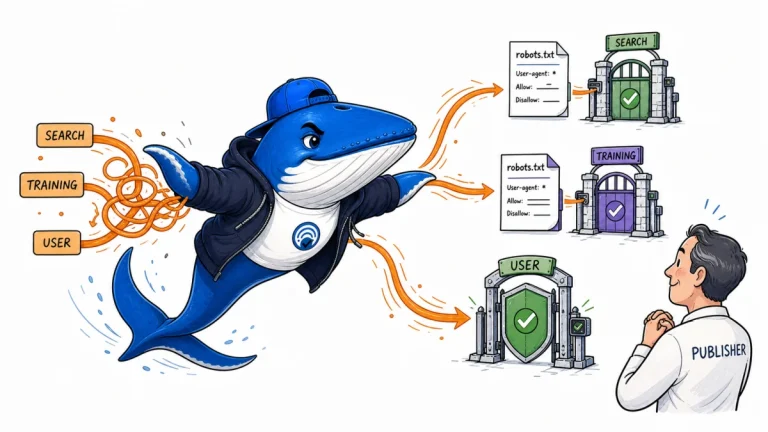
Separate OpenAI search, training and user-triggered requests, then apply robots, verification, firewall and access controls at the right layer.
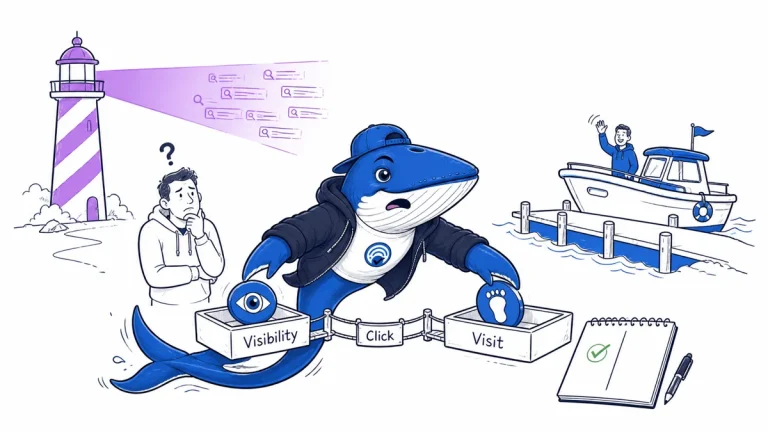
Reconcile Google AI impressions with arrivals and GA4 sessions without treating visibility, clicks, browser requests, analytics, and outcomes as matching totals.
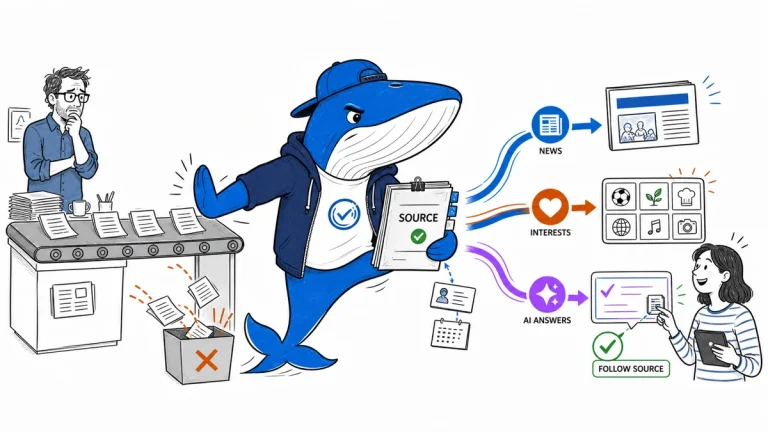
French news publishers can use AI to accelerate document review, transcription, accessibility, quality control and format adaptation—while keeping human accountability and original reporting at the center. This guide maps the technical, editorial and measurement work required across Google News, Discover, AI answers and direct readership.
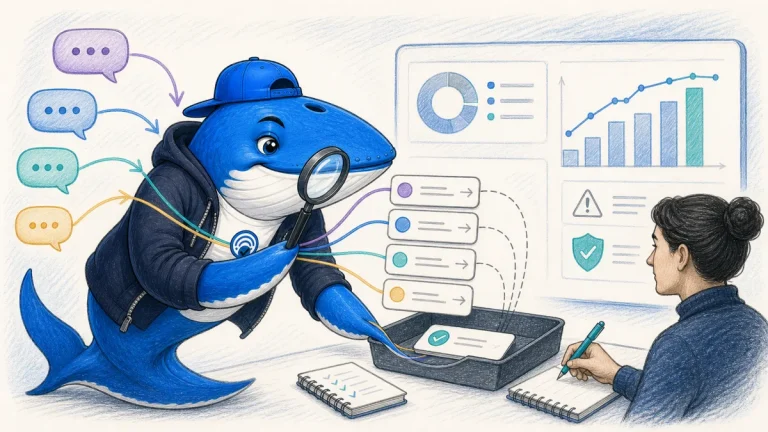
Create a maintained AI-assistant referral segment in GA4, preserve the raw source evidence, and report click visits without presenting them as complete citation coverage.
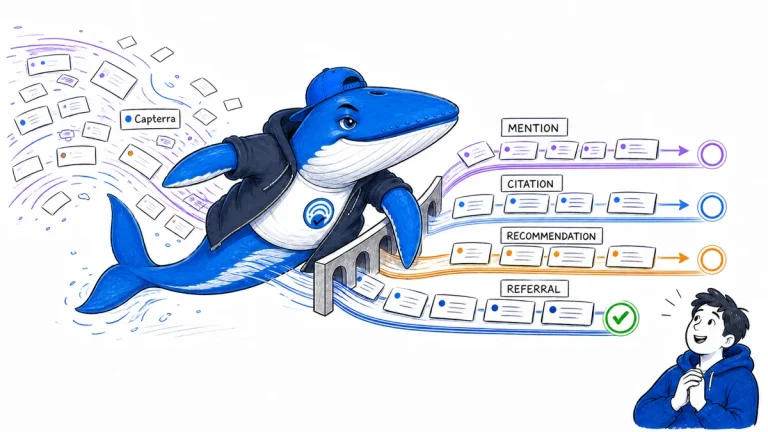
This guide separates Capterra mentions, citations, SaaS recommendations, and measurable referrals, then gives you a 43-field ledger and browser-local evidence auditor.
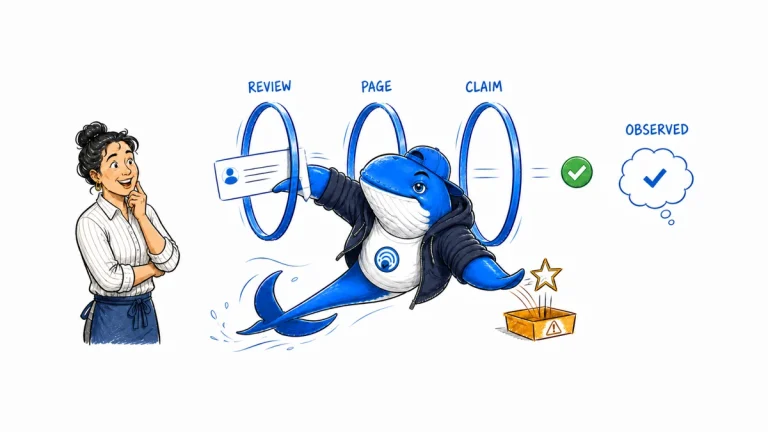
Audit testimonial provenance, disclosures, crawlability, structured-data limits, claim portability, and observed AI citations without promising influence.
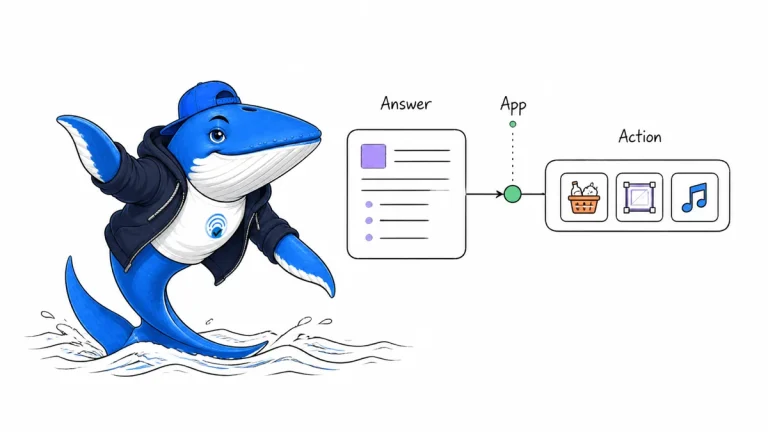
Map AI answers, connected apps, provider data, deep links, consent, and completed actions so businesses can monitor the full search-to-action handoff.
A useful standard
AI answers vary by platform, query, location, account state, and time. A citation is an observation in one answer context, not a permanent ranking.
A page still needs ordinary crawlability, indexability, useful content, and accessible text before any answer system can evaluate it.
Primary sources, precise entities, dates, methods, and visible limits make a claim easier for readers and systems to check.
Referral and citation reports can document appearance. They do not prove why one source was selected or guarantee the next answer.
References and next steps
The Answer Brief
Get practical SEO and AI-search guidance, new experiments, and the workflows worth keeping.
Unsubscribe anytime. Your inbox stays yours.
Practical, evidence-based answers for earning visibility in search engines and AI answers.
Get the Chrome extension Read the living case study
Independent publication. Sources, corrections, authorship, and commercial relationships are disclosed openly.
Search the publication
Search reporting, guides, research, checklists, and browser tools.
SearchEngineAnswer app
Install the site on your home screen for a focused, standalone reading experience. No app-store account is required.
On iPhone or iPad, open the browser Share menu and choose “Add to Home Screen.” On other devices, use your browser’s Install option when available.
Privacy controls
Required for security, saved controls, and remembering this choice.
No analytics service is currently configured.
No advertising or behavioral targeting is currently configured.