
How to Test Tavily’s Language Boosting and Strict Filtering
Tavily’s language boost and strict filter make different promises. Use this 12-row unmeasured fixture to test compliance, source overlap, availability and relevance.
Guide archive
Follow structured, evidence-led guides for substantial SEO and AI-search tasks. Each guide defines the job, orders the work, shows the evidence, and ends with a completion point.
From this desk
The featured page offers a strong introduction. The remaining cards help readers move through this editorial section without turning the archive into a service menu.
Read the featured guide
Move from reader job and claim classification through research, drafting, skeptical review, technical preparation, publication, and maintenance.
Complete guides
Guides are reserved for tasks that need a substantial ordered workflow. Shorter decisions remain focused articles, checklists, or tools.

Tavily’s language boost and strict filter make different promises. Use this 12-row unmeasured fixture to test compliance, source overlap, availability and relevance.
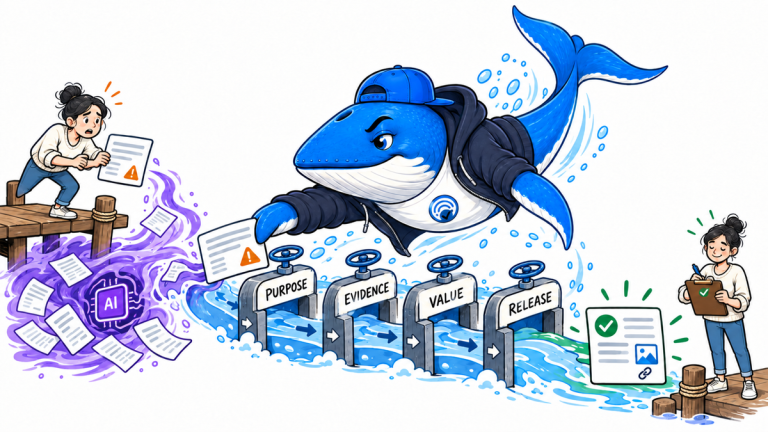
Audit AI-assisted website content across purpose, evidence, original value, metadata, disclosure, accessibility, indexability and site-scale repetition.
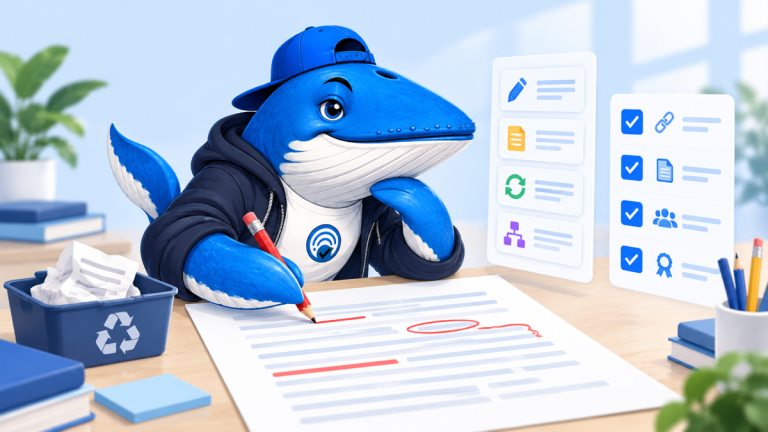
ChatGPT for Word can draft, summarize, revise and format headings. This five-gate workflow keeps sources, information gain and approval under editorial control.

Anthropic’s Enterprise compliance export records prompts, responses and text tool activity for Claude in Chrome, with important exclusions and retention limits.

Prepare for OpenAI’s planned Enterprise custom GPT transition with the September 17 and 25 milestones, December 11 retirement date and a migration inventory.
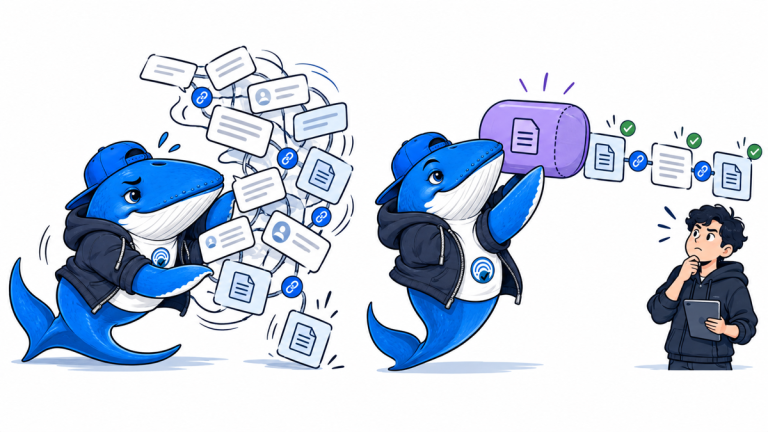
Use a six-case release gate to test whether Claude on-demand compaction preserves source IDs, claim links, contradictions and recent turns.
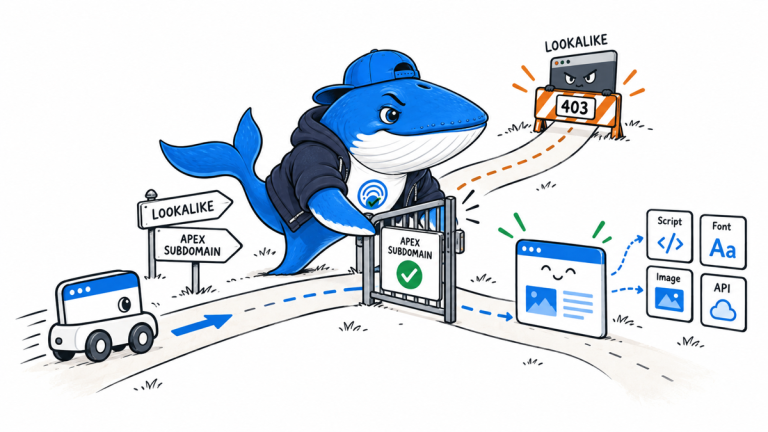
Configure Browser Run hostname guardrails and use Session Recording logs, network HAR and final DOM to explain blocked dependencies.
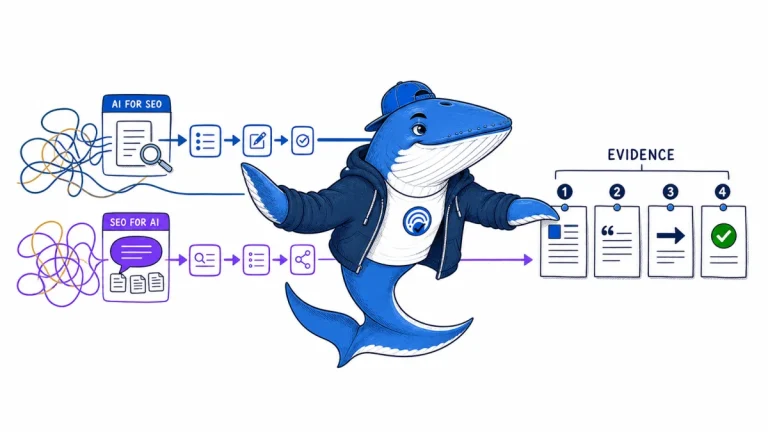
Learn what AI SEO means, how it differs from AEO and GEO, what Google documents, and how to measure rankings, citations, referrals, and conversions.
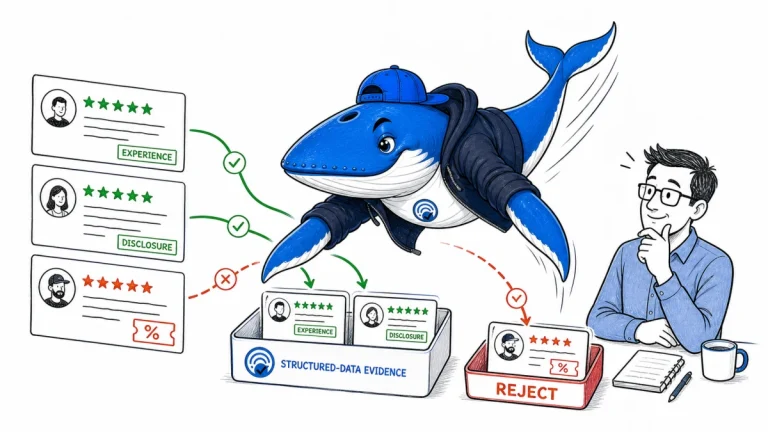
Audit experience, incentives, disclosures, visible-page parity and aggregate math with a 22-field review markup ledger.
A useful standard
A guide earns its length by helping a reader complete a demanding task. It should be navigable, testable, and useful after the first read.
The opening states who the guide is for, what decision or task it supports, and what remains outside its scope.
Sections follow the work itself. Examples, evidence, and limitations appear beside the decisions they constrain.
The ending defines what finished looks like, what still needs monitoring, and which tool or checklist supports the next step.
References and next steps
The Answer Brief
Get practical SEO and AI-search guidance, new experiments, and the workflows worth keeping.
Unsubscribe anytime. Your inbox stays yours.
Practical, evidence-based answers for earning visibility in search engines and AI answers.
Get the Chrome extension Read the living case study
Independent publication. Sources, corrections, authorship, and commercial relationships are disclosed openly.
Search the publication
Search reporting, guides, research, checklists, and browser tools.
SearchEngineAnswer app
Install the site on your home screen for a focused, standalone reading experience. No app-store account is required.
On iPhone or iPad, open the browser Share menu and choose “Add to Home Screen.” On other devices, use your browser’s Install option when available.
Privacy controls
Required for security, saved controls, and remembering this choice.
No analytics service is currently configured.
No advertising or behavioral targeting is currently configured.