Start Here
Start Here: SEO & AI Search Learning Paths
Choose the problem you need to solve now. Each path starts with a specific lesson, adds a practical workflow, and ends with a way to test the result. You do not need to read the publication chronologically.
Choose by constraint
Begin where the evidence breaks.
If an important page is not indexed, start with technical discovery and page purpose. If traffic exists but the publishing process is inconsistent, choose the operating-system path. If the page performs in classic search but its visibility in AI answers is unclear, begin with the AI-search measurement path. Complete one route, record the result, and follow the next link only when it answers a new question.
Path one
Fix discovery and indexing
Use this route when Google has not crawled an important URL, a launch is approaching, or templates send contradictory signals.
Path two
Build a reliable publishing system
Use this route when research, production, quality control, and reporting depend on memory or disconnected tools.
Path three
Measure AI-search visibility
Use this route when you need to separate eligibility, answer appearances, citations, referral visits, and business outcomes.
A simple working rhythm
Read one guide, make one change, preserve one result.
Before editing, save the current URL, title, index state, relevant query or prompt sample, and conversion definition. Make one meaningful change with a named owner and rollback point. Recheck the public page, then observe the appropriate metric through a fixed window. Search visibility is a chain of states; a crawl, citation, click, and conversion should never be reported as though they are the same event.
When you need a worksheet rather than another article, use the Resources library for checklists, browser tools, and downloadable evidence ledgers.
Current updates
Recent platform changes and investigations
These stories are useful after the foundations above. Product availability, interfaces, and documentation can change, so each article states its evidence date and limits.
-
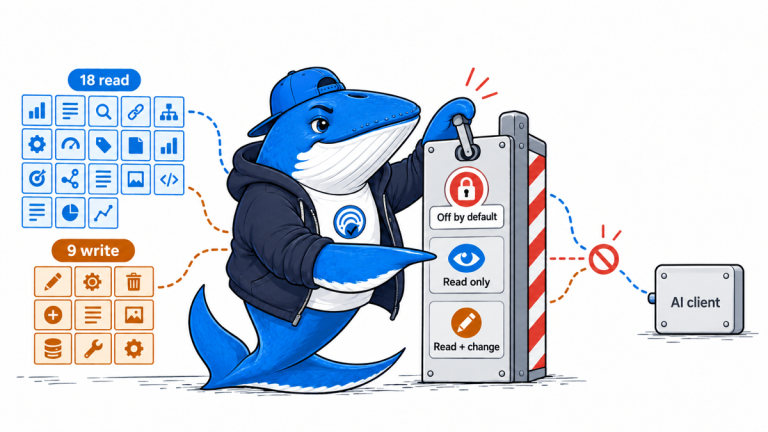
SEOPress 10.3 Gives AI Assistants 27 SEO Tools, but Exposure Is Off by Default
SEOPress 10.3 adds a built-in MCP server with 18 read-only and nine write-capable tools. A live upgrade check confirms that installing the release does not expose a site until its owner enables the endpoint.
-
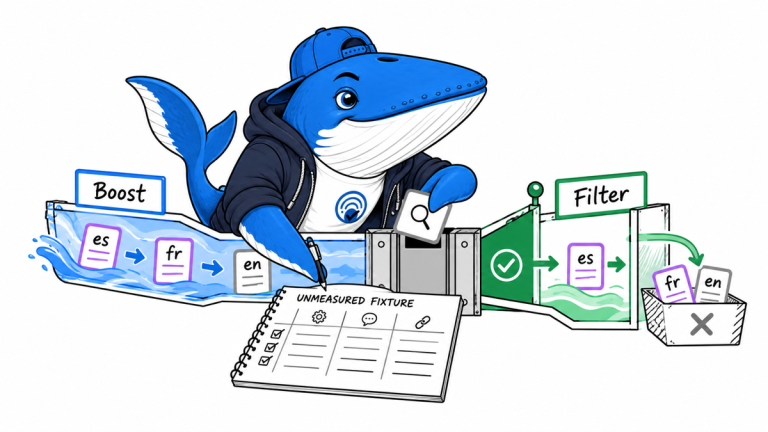
How to Test Tavily’s Language Boosting and Strict Filtering
Tavily’s language boost and strict filter make different promises. Use this 12-row unmeasured fixture to test compliance, source overlap, availability and relevance.
-
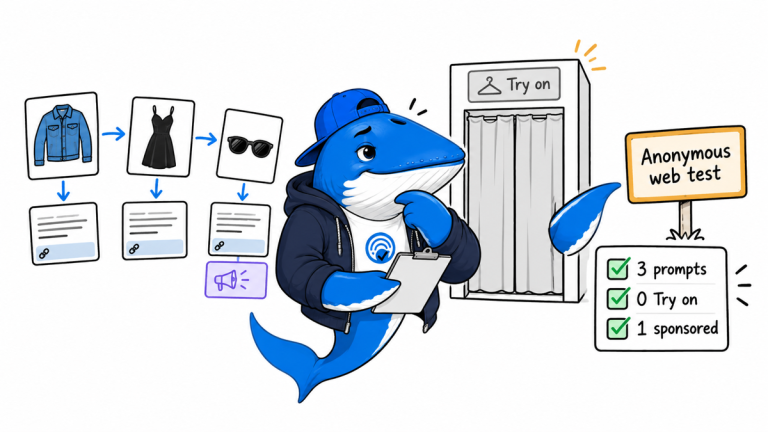
ChatGPT Adds Virtual Try-On, but Our Anonymous Test Did Not Surface It
OpenAI documented virtual try-on for clothing and accessories. In three anonymous web prompts, ChatGPT returned text recommendations and one sponsored placement, but no Try on control.
-
Cloudflare AI Search Is GA: What the New Retrieval Pricing Buys
Cloudflare AI Search is generally available with image embeddings, OCR, hybrid retrieval and usage pricing. This worksheet separates the cost and quality decisions.
-
Cloudflare Web Search API Makes Crawler Rules Part of the Contract
Cloudflare’s Web Search API requires provider crawler identity, robots.txt compliance and source links. Here is what publishers and AI teams can verify.
-
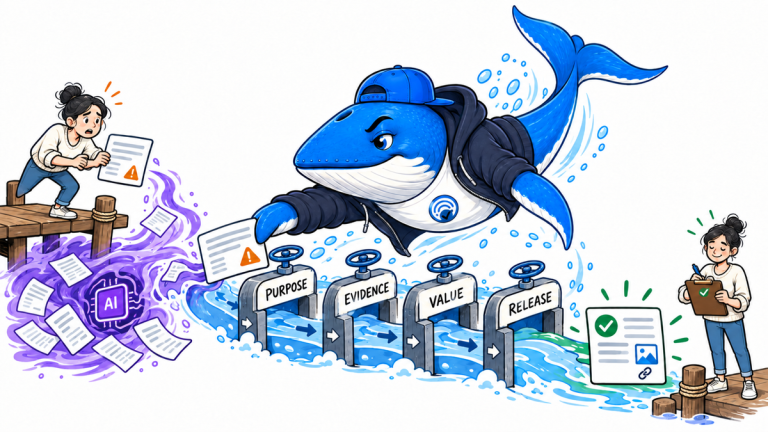
How to Use Generative AI for Website Content: A 30-Point Audit Checklist
Audit AI-assisted website content across purpose, evidence, original value, metadata, disclosure, accessibility, indexability and site-scale repetition.