The featured page offers a strong introduction. The remaining cards help readers move through this editorial section without turning the archive into a service menu.
Start with the editorial guide
Choose the desk that matches your question
Use the subject desks for focused browsing, or continue to the complete chronological archive below.
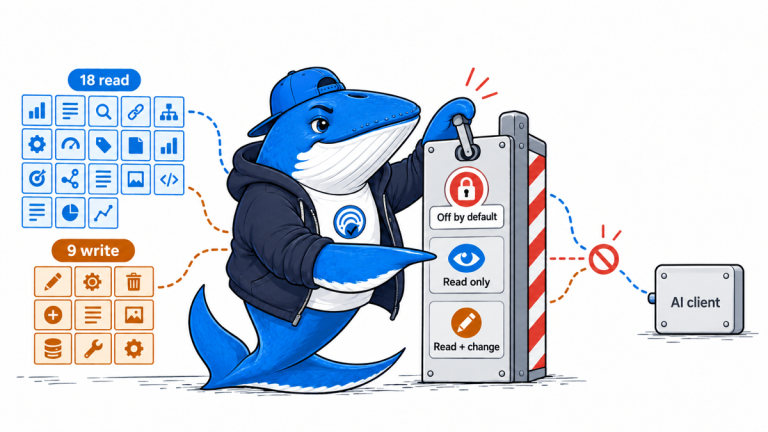
SEOPress 10.3 adds a built-in MCP server with 18 read-only and nine write-capable tools. A live upgrade check confirms that installing the release does not expose a site until its owner enables the endpoint.
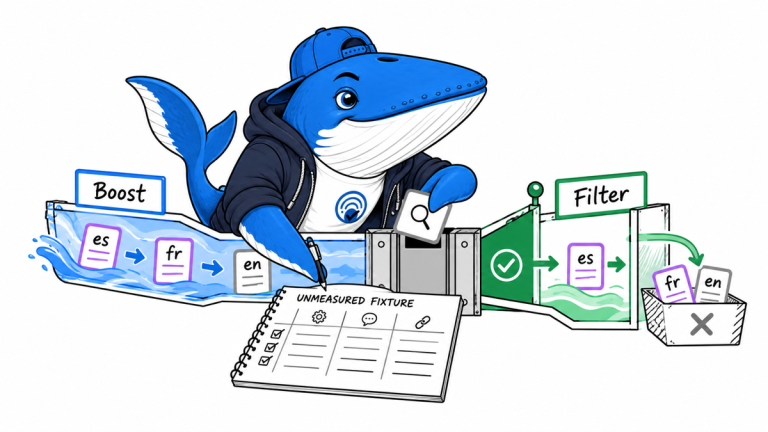
Tavily’s language boost and strict filter make different promises. Use this 12-row unmeasured fixture to test compliance, source overlap, availability and relevance.
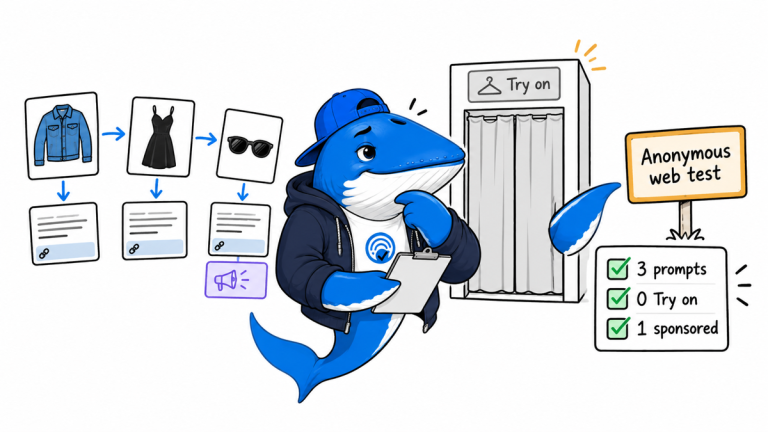
OpenAI documented virtual try-on for clothing and accessories. In three anonymous web prompts, ChatGPT returned text recommendations and one sponsored placement, but no Try on control.
Cloudflare AI Search is generally available with image embeddings, OCR, hybrid retrieval and usage pricing. This worksheet separates the cost and quality decisions.
Cloudflare’s Web Search API requires provider crawler identity, robots.txt compliance and source links. Here is what publishers and AI teams can verify.
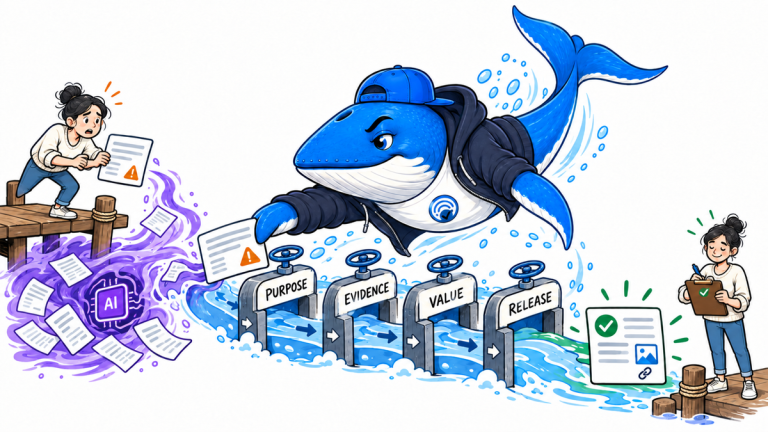
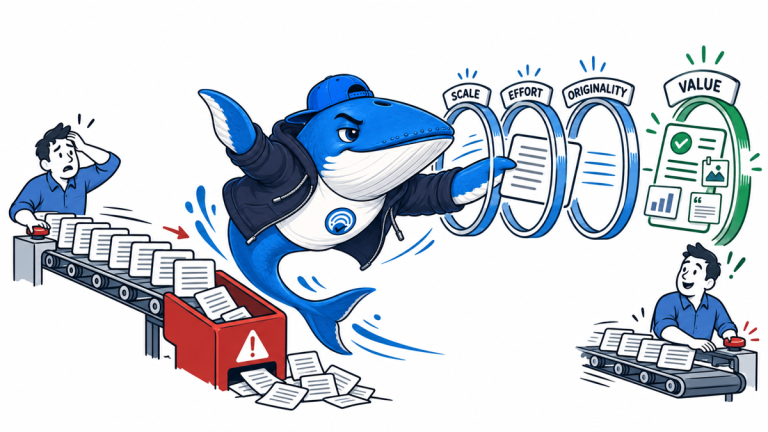
Google’s October 1 guidance update points publishers to separate page-level and site-scale tests for effort, originality, added value and user purpose.
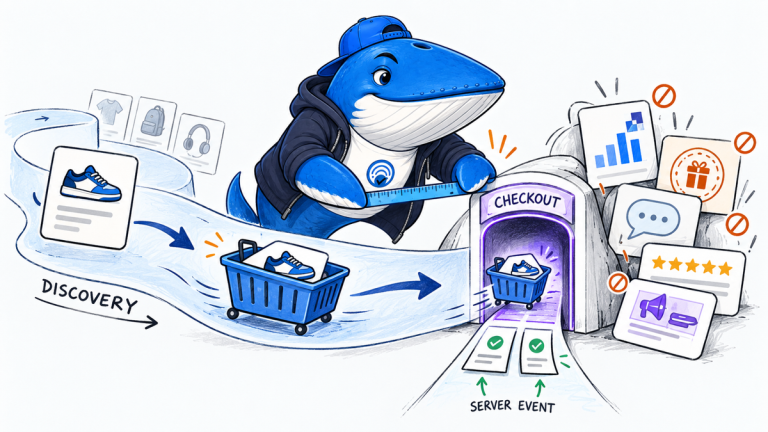
Shopify documents a Google-hosted checkout that omits standard pixels and many checkout blocks. Use this merchant audit to test eligibility, reporting, disclosures and revenue impact.
Cloudflare now offers Pay Per Crawl, Monetization Gateway and Pay Per Use. This guide maps each billable event and the audit gap in buyer-reported use.
A useful standard
What every story should make clear
SearchEngineAnswer is an independent publication. Stories should help a reader understand what changed, what the evidence supports, and what to do next.
The reader job is explicit
A story should answer a focused question or support a concrete decision rather than merely announce a topic.
Sources remain inspectable
Material facts stay close to current primary documentation, reproducible evidence, or clearly attributed reporting.
Updates retain context
Meaningful changes, uncertainty, corrections, and publication dates remain visible so readers can judge freshness.