
Google Updates Its AI Content Guidance With Quality-Rater Checks
Google’s October 1 guidance update points publishers to separate page-level and site-scale tests for effort, originality, added value and user purpose.
SEO desk
Reporting, guides, and practical analysis about technical SEO, content architecture, site launches, crawling, indexing, and measurement.
From this desk
The featured page offers a strong introduction. The remaining cards help readers move through this editorial section without turning the archive into a service menu.
Read the featured guide
Clear indexing and template blockers before polishing lower-impact details. The audit framework shows the order and the evidence to record.
Latest SEO stories
Browse the archive in publication order. Each article keeps its evidence, examples, limitations, and next action together.
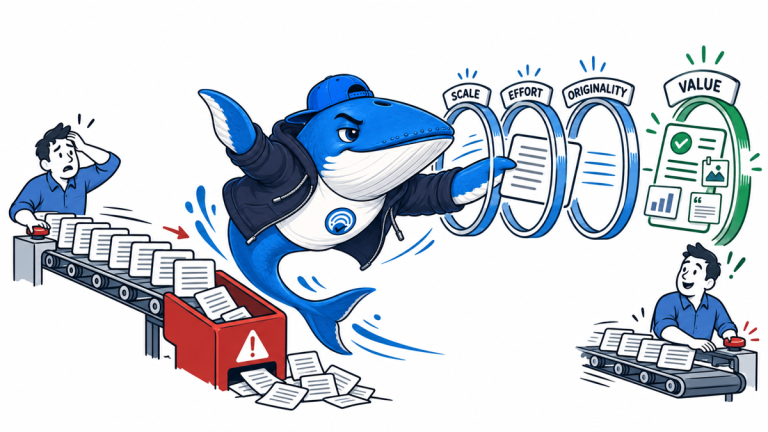
Google’s October 1 guidance update points publishers to separate page-level and site-scale tests for effort, originality, added value and user purpose.

Google’s SAFE paper studies coordinated synthetic-video channel abuse. It does not connect the system to Search ranking or the active September spam rollout.

Google now separates image-involved web searches in Search Console. Here is what the new filter measures, why queries are absent, and how to compare it with Image search and AI impressions.
Google says its September 2026 spam update is rolling out globally and across all languages. The rollout may take up to two weeks; Google has not identified a specific target.

Google clarified that text inserted with the CSS content property sits outside the DOM and may not be indexed, so meaningful copy belongs in semantic HTML.

A dated compatibility test of six Schema.org 30.1 commerce properties finds a lagging public validator, successful Google parsing and a nested Product risk.
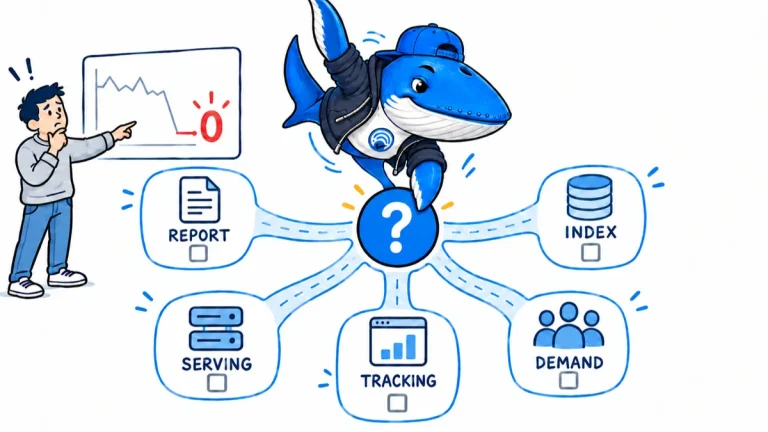
Several site owners reported sudden zeroes in Bing Webmaster data after August 31. No official incident was found, so diagnosis must separate five possible failure paths.
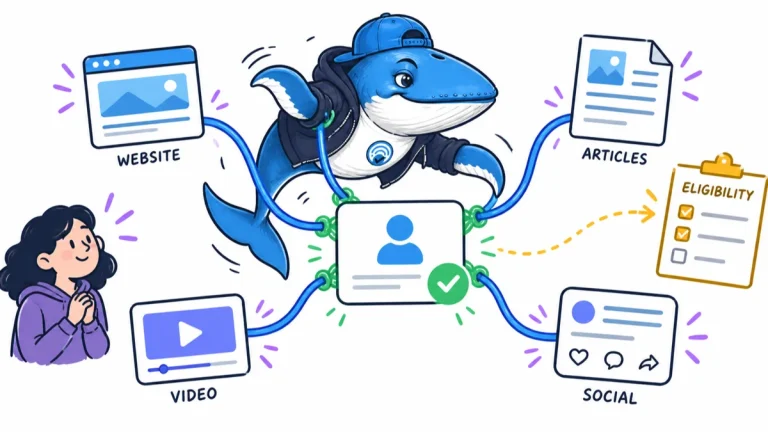
Google Search profiles can gather a publisher’s articles, videos and social posts and add a follow action. Initial eligibility and control remain limited.
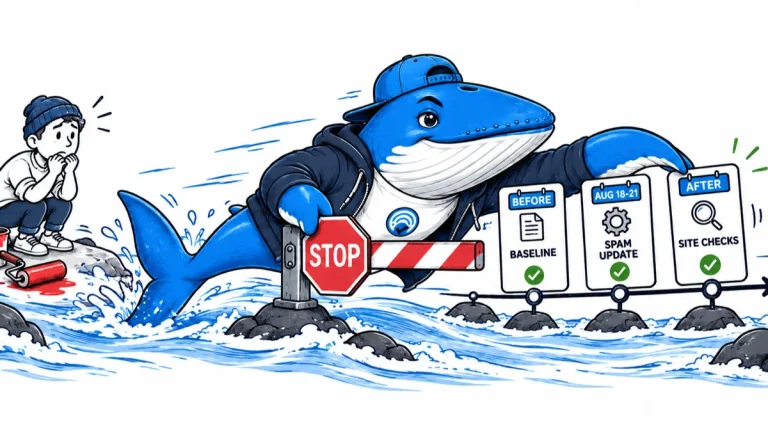
Google’s August 2026 spam update ran globally from August 18 to August 21. A traffic change in that window is a clue, not a diagnosis.
A useful standard
Choose the page that matches the decision in front of you. Each answer distinguishes documented requirements from recommended practice and keeps uncertainty visible.
Resolve crawl, index, rendering, and template failures before spending time on refinements that search systems may never see.
Map each page to a reader decision so internal links, headings, and content depth support a clear purpose.
Treat Search Console, analytics, crawls, and experiments as different evidence sources. None proves causation on its own.
References and next steps
The Answer Brief
Get practical SEO and AI-search guidance, new experiments, and the workflows worth keeping.
Unsubscribe anytime. Your inbox stays yours.
Practical, evidence-based answers for earning visibility in search engines and AI answers.
Get the Chrome extension Read the living case study
Independent publication. Sources, corrections, authorship, and commercial relationships are disclosed openly.
Search the publication
Search reporting, guides, research, checklists, and browser tools.
SearchEngineAnswer app
Install the site on your home screen for a focused, standalone reading experience. No app-store account is required.
On iPhone or iPad, open the browser Share menu and choose “Add to Home Screen.” On other devices, use your browser’s Install option when available.
Privacy controls
Required for security, saved controls, and remembering this choice.
No analytics service is currently configured.
No advertising or behavioral targeting is currently configured.