
Google AI Impressions Are Not AI Traffic: Reconcile Search Console With GA4
Map an AI impression, click, browser visit, analytics session and conversion as separate events, then reconcile them with a bounded measurement ledger.
Guide archive
Follow structured, evidence-led guides for substantial SEO and AI-search tasks. Each guide defines the job, orders the work, shows the evidence, and ends with a completion point.
From this desk
The featured page offers a strong introduction. The remaining cards help readers move through this editorial section without turning the archive into a service menu.
Read the featured guide
Move from reader job and claim classification through research, drafting, skeptical review, technical preparation, publication, and maintenance.
Complete guides
Guides are reserved for tasks that need a substantial ordered workflow. Shorter decisions remain focused articles, checklists, or tools.
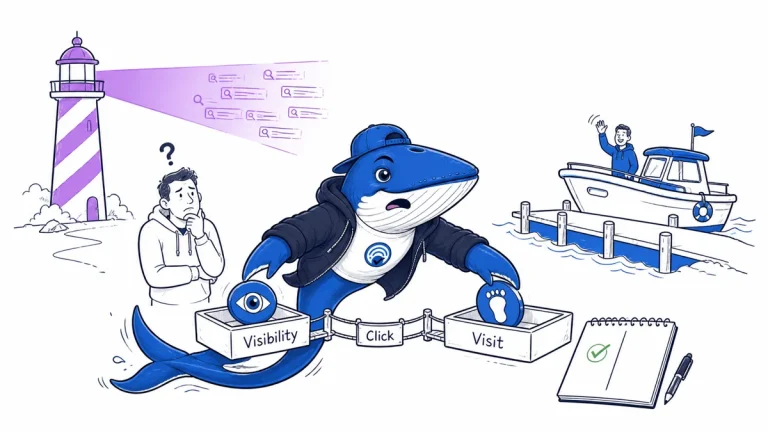
Map an AI impression, click, browser visit, analytics session and conversion as separate events, then reconcile them with a bounded measurement ledger.
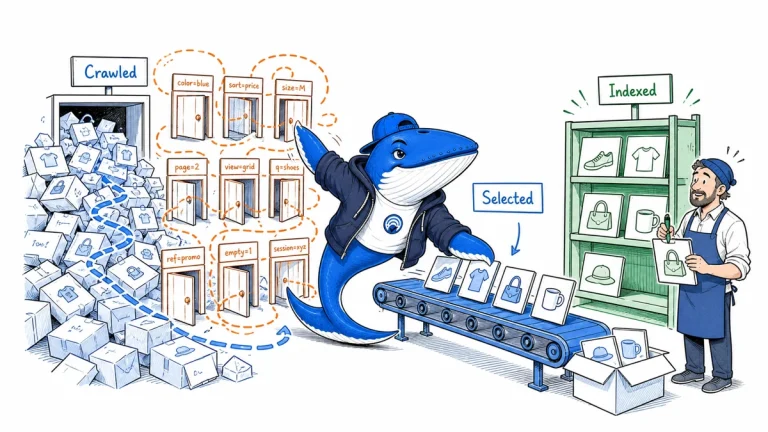
Define the indexable product set, segment outcomes by template and reason, close faceted crawl traps, and improve selection signals before requesting more crawling.
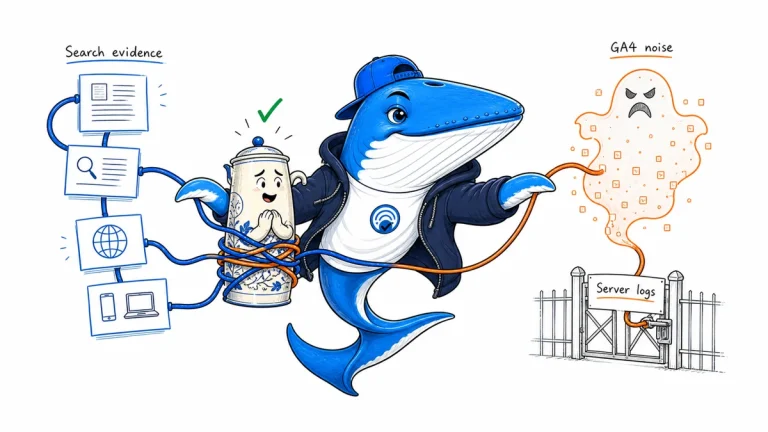
Separate a real Google Search decline from GA4 referral noise with one incident card, Search Console segmentation, analytics classification, and independent recovery rules.
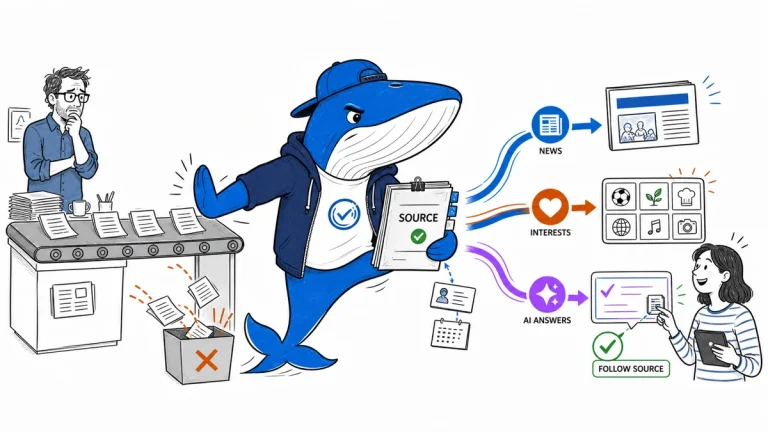
French news publishers can use AI to accelerate document review, transcription, accessibility, quality control and format adaptation—while keeping human accountability and original reporting at the center. This guide maps the technical, editorial and measurement work required across Google News, Discover, AI answers and direct readership.
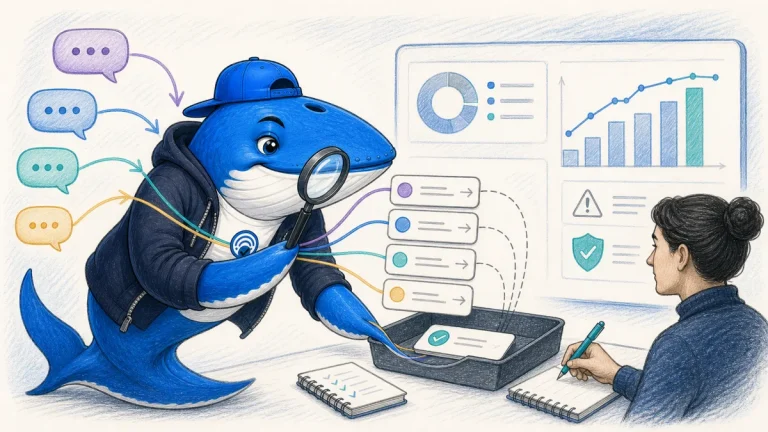
Create a maintained AI-assistant referral segment in GA4, preserve the raw source evidence, and report click visits without presenting them as complete citation coverage.
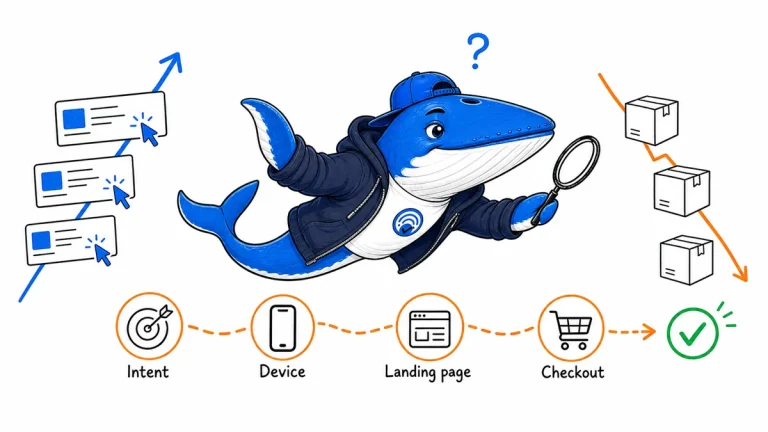
Trace rising organic clicks and falling sales through measurement, query intent, device, landing page, stock, price, checkout, payment, and attribution.
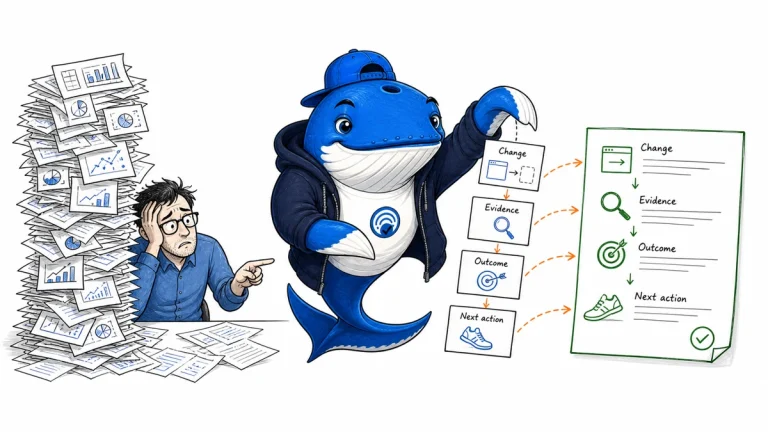
Build a one-page SEO report that connects Search Console observations, landing-page behavior, business outcomes, confounders, and a named next decision.
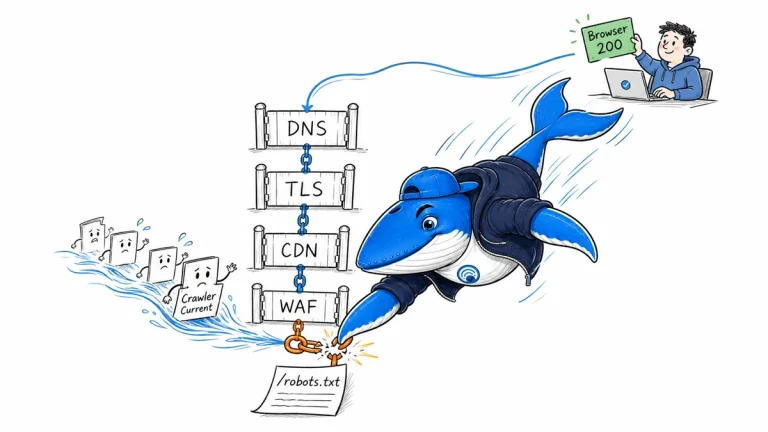
Diagnose a crawler-facing robots.txt failure across DNS, IPv4 and IPv6, TLS, CDN, WAF, redirects, and origin logs instead of trusting one browser request.
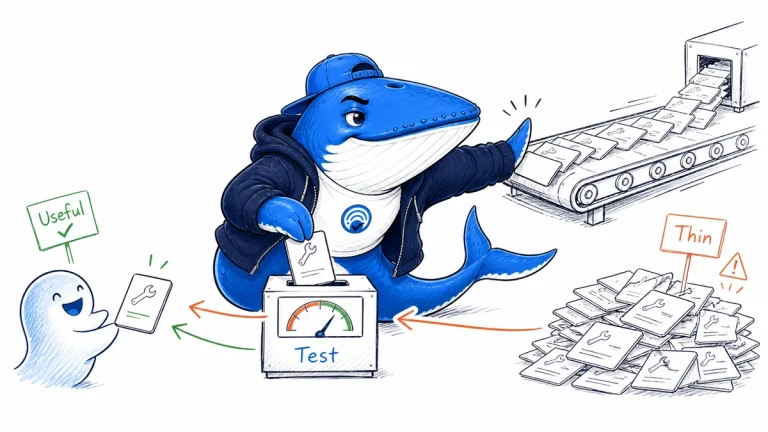
Apply a 12-point launch gate to decide whether an AI-assisted tool library provides distinct utility or produces thin indexable templates at scale.
A useful standard
A guide earns its length by helping a reader complete a demanding task. It should be navigable, testable, and useful after the first read.
The opening states who the guide is for, what decision or task it supports, and what remains outside its scope.
Sections follow the work itself. Examples, evidence, and limitations appear beside the decisions they constrain.
The ending defines what finished looks like, what still needs monitoring, and which tool or checklist supports the next step.
References and next steps
The Answer Brief
Get practical SEO and AI-search guidance, new experiments, and the workflows worth keeping.
Unsubscribe anytime. Your inbox stays yours.
Practical, evidence-based answers for earning visibility in search engines and AI answers.
Get the Chrome extension Read the living case study
Independent publication. Sources, corrections, authorship, and commercial relationships are disclosed openly.
Search the publication
Search reporting, guides, research, checklists, and browser tools.
SearchEngineAnswer app
Install the site on your home screen for a focused, standalone reading experience. No app-store account is required.
On iPhone or iPad, open the browser Share menu and choose “Add to Home Screen.” On other devices, use your browser’s Install option when available.
Privacy controls
Required for security, saved controls, and remembering this choice.
No analytics service is currently configured.
No advertising or behavioral targeting is currently configured.