
AI Crawlers Explained: Which Bots Index, Train, or Fetch
Compare search, training, user-fetch and advertising crawlers, verify request identity, and configure special-case robots groups correctly.
Answer-engine visibility desk
News, analysis, guides, and research about AEO, GEO, AI answers, citations, retrieval, technical eligibility, entity clarity, and measurement.
From this desk
The featured page offers a strong introduction. The remaining cards help readers move through this editorial section without turning the archive into a service menu.
Read the featured guide
Check whether a passage states a bounded answer, names its evidence, exposes important limits, and remains understandable outside the surrounding page.
Latest AEO & AI Search stories
New stories are added when they contribute a verified change, method, test, or useful framework—not a citation promise.
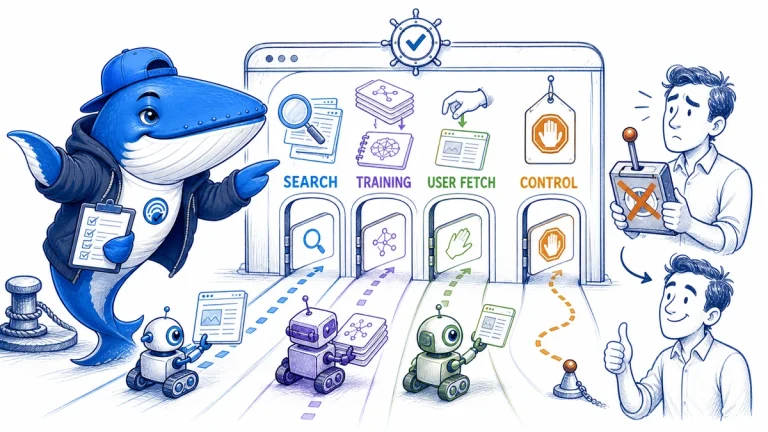
Compare search, training, user-fetch and advertising crawlers, verify request identity, and configure special-case robots groups correctly.
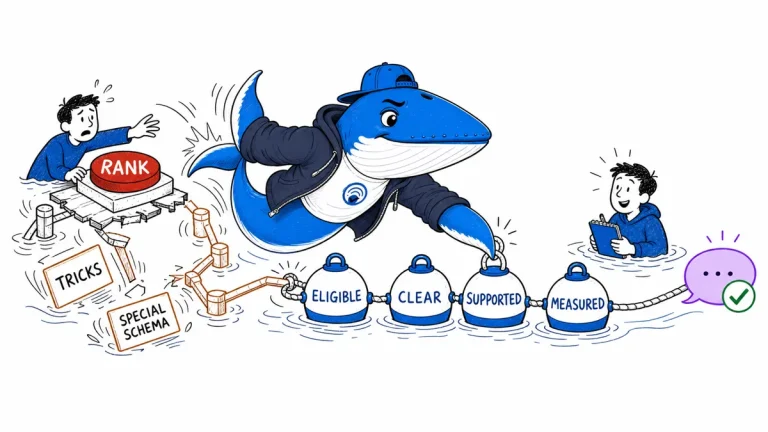
Answer Engine Optimization (AEO) is the work of making content eligible, clear, verifiable, and measurable across systems that generate direct answers. This guide separates durable practices from citation and schema myths.
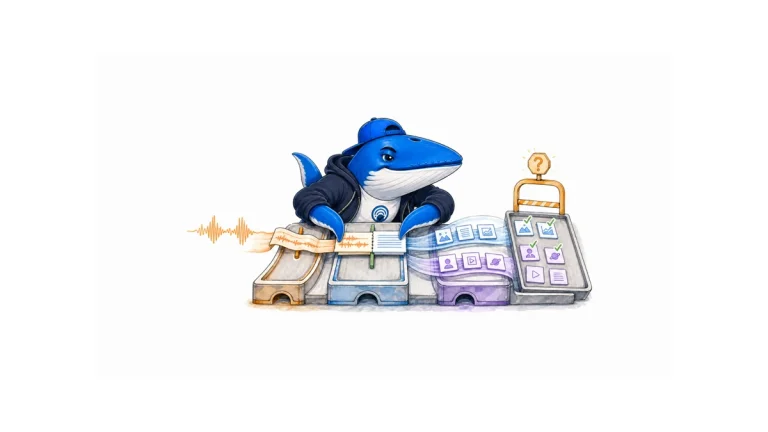
Compare Duck.ai live voice, dictation, and typed chat without confusing transcript errors, source drift, answer support, or undocumented route differences.
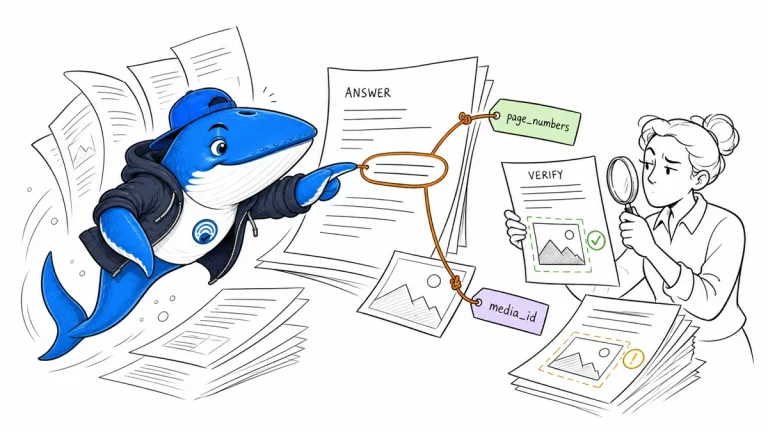
Audit Gemini File Search visual citations by preserving file hashes, page numbers, media IDs, answer claims, cited evidence, and manual verification.
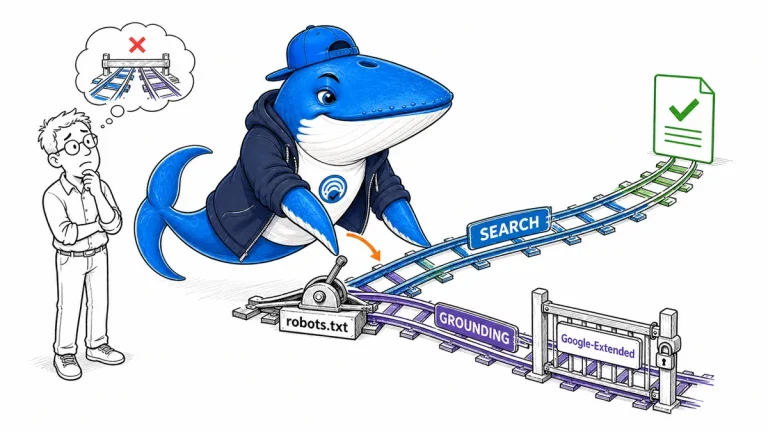
Use Google-Extended as a robots.txt control token for specified Gemini training and grounding uses while keeping Google Search crawling and ranking separate.
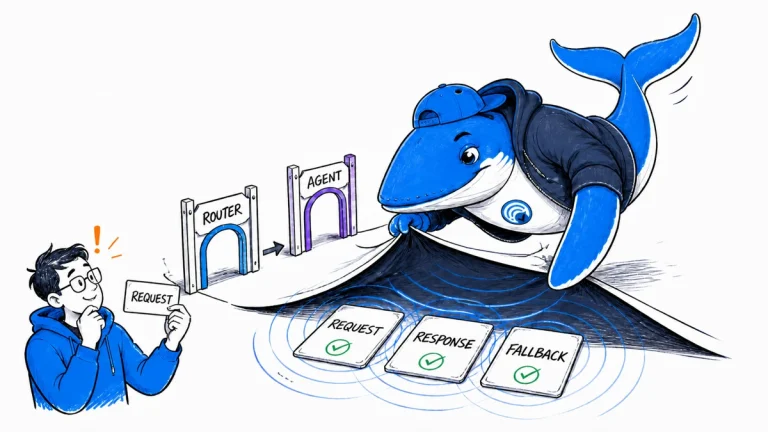
Verify Perplexity DeepSeek V4 Flash routes by separating Agent model fallback from Router deployment failover and preserving the evidence each surface exposes.
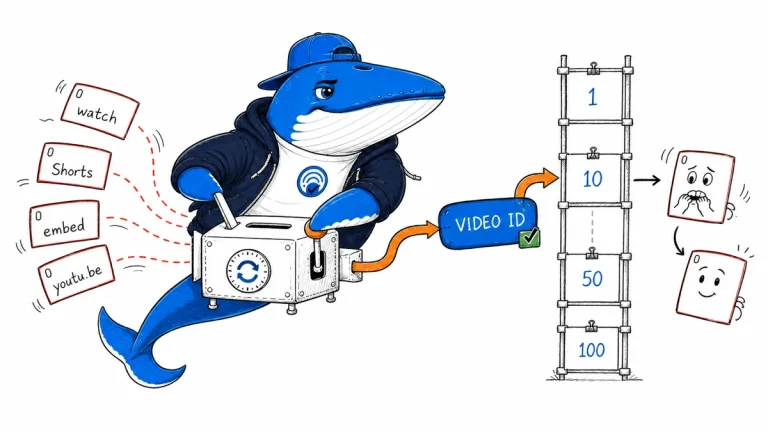
Normalize watch, Shorts, embed, and short links to one video ID, then compare AI citations with a separately captured Google result set without mistaking absence for a universal ranking rule.
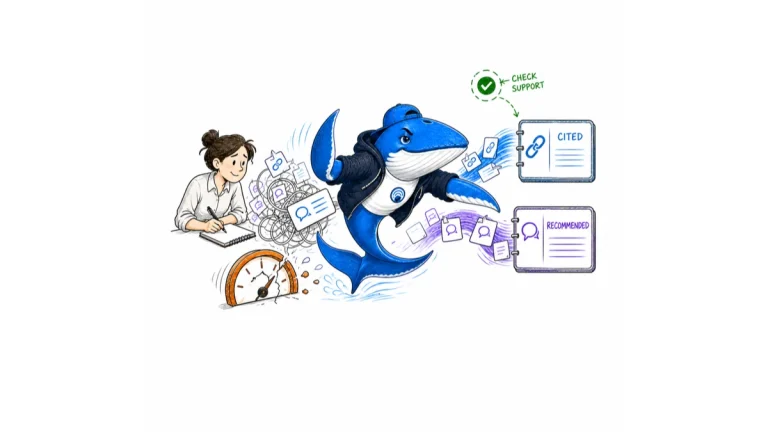
Separate citation, publisher naming, claim support, recommendation and referral outcomes, then calculate attribution yield only from matched saved answers.
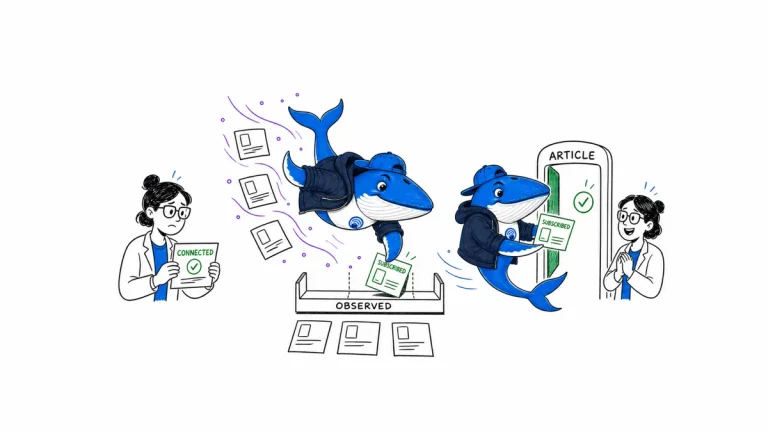
Verify Google news subscription labels with separate onboarding and display states, authorized paired observations, destination checks, bounded metrics and a reusable ledger.
A useful standard
AI answers vary by platform, query, location, account state, and time. A citation is an observation in one answer context, not a permanent ranking.
A page still needs ordinary crawlability, indexability, useful content, and accessible text before any answer system can evaluate it.
Primary sources, precise entities, dates, methods, and visible limits make a claim easier for readers and systems to check.
Referral and citation reports can document appearance. They do not prove why one source was selected or guarantee the next answer.
References and next steps
The Answer Brief
Get practical SEO and AI-search guidance, new experiments, and the workflows worth keeping.
Unsubscribe anytime. Your inbox stays yours.
Practical, evidence-based answers for earning visibility in search engines and AI answers.
Get the Chrome extension Read the living case study
Independent publication. Sources, corrections, authorship, and commercial relationships are disclosed openly.
Search the publication
Search reporting, guides, research, checklists, and browser tools.
SearchEngineAnswer app
Install the site on your home screen for a focused, standalone reading experience. No app-store account is required.
On iPhone or iPad, open the browser Share menu and choose “Add to Home Screen.” On other devices, use your browser’s Install option when available.
Privacy controls
Required for security, saved controls, and remembering this choice.
No analytics service is currently configured.
No advertising or behavioral targeting is currently configured.