
Does Replying to Google Reviews Faster Improve Local Rankings?
Google recommends useful review replies but does not document reply speed as a local-ranking factor. Here is a service policy and a cautious test design.
Research desk
Original tests, case studies, datasets, and evidence reviews with inspectable methods, results, and limitations.
From this desk
The featured page offers a strong introduction. The remaining cards help readers move through this editorial section without turning the archive into a service menu.
Read the flagship case study
This first-person build record connects publishing decisions with indexing evidence, Search Console observations, limitations, and the next measurement window.
Latest research
Each research article identifies the question, evidence, method, result, limitation, and boundary on what can be inferred.
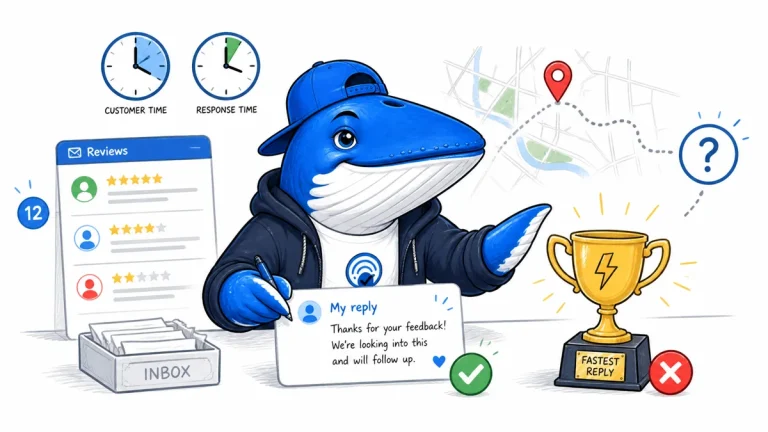
Google recommends useful review replies but does not document reply speed as a local-ranking factor. Here is a service policy and a cautious test design.

Test crawler Accept headers, negotiated Content-Type and cache variation before claiming an AI bot receives Markdown.
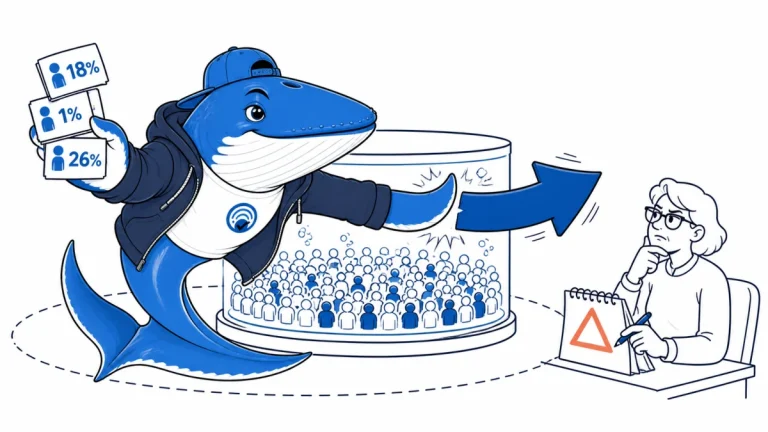
A 900-person US browsing study observed fewer result clicks and more session endings when AI Overviews appeared. Here is the denominator, study design, and limit behind the 1% source-click figure.
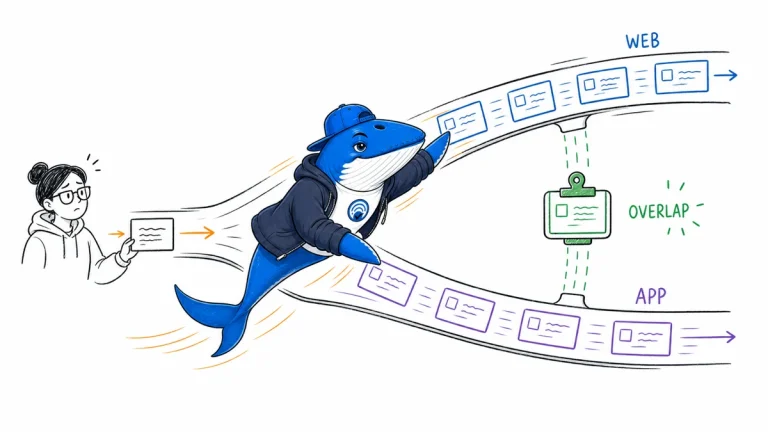
Measure web/app citation drift with paired prompts, repeated runs, preserved URLs, overlap distributions, answer-use labels, change control, and a reusable observation ledger.
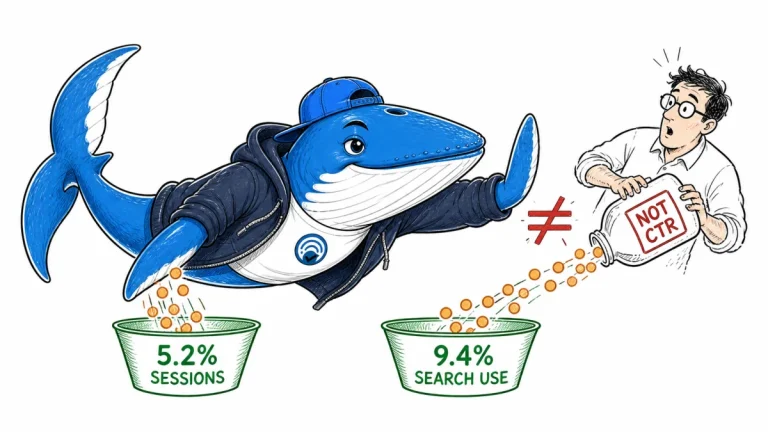
A 2026 U.S. desktop study separates ChatGPT’s session-level outbound-click rate from an estimated 9.4% reduction in traditional search use.
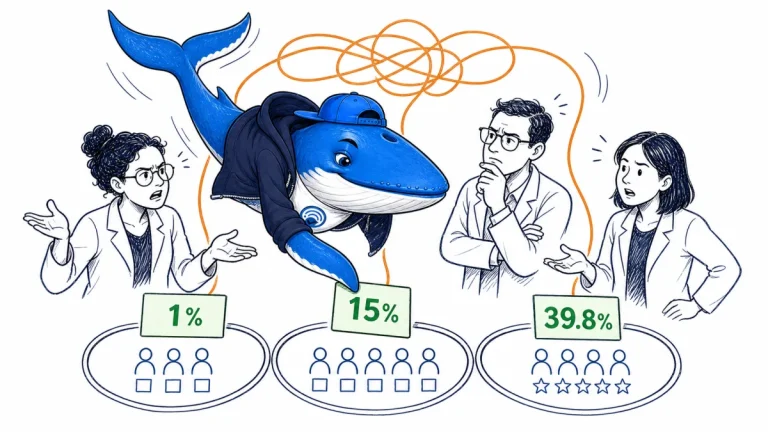
Three prominent 2026 findings use different samples, treatments and outcomes. Here is the denominator-safe comparison.

Use date-filtered search to find candidates, then inspect snapshots, page updates, related modules, metadata conflicts and leakage severity before admitting evidence.

Adapt an EACL 2026 study into a claim-source audit that preserves sample, user role, credibility rules, groundedness, adjudication and limitations.

Audit what an AI answer actually uses from each cited source with a claim-passage ledger for contribution, fidelity, review, limits, and re-audit.
A useful standard
A useful study makes its conditions visible. Treat each result as evidence within a declared sample and environment, not as a universal platform rule.
The question, inputs, environment, measures, and stopping rule should be understandable before the result is interpreted.
Timeouts, absent results, rejected cases, and contradictory observations are data, not material to hide.
A measured association or one platform observation does not automatically establish causation or a permanent ranking rule.
References and next steps
The Answer Brief
Get practical SEO and AI-search guidance, new experiments, and the workflows worth keeping.
Unsubscribe anytime. Your inbox stays yours.
Practical, evidence-based answers for earning visibility in search engines and AI answers.
Get the Chrome extension Read the living case study
Independent publication. Sources, corrections, authorship, and commercial relationships are disclosed openly.
Search the publication
Search reporting, guides, research, checklists, and browser tools.
SearchEngineAnswer app
Install the site on your home screen for a focused, standalone reading experience. No app-store account is required.
On iPhone or iPad, open the browser Share menu and choose “Add to Home Screen.” On other devices, use your browser’s Install option when available.
Privacy controls
Required for security, saved controls, and remembering this choice.
No analytics service is currently configured.
No advertising or behavioral targeting is currently configured.