
Same AI Question, Different Language: A 67,200-Response Audit
An audit of GPT, Claude and Gemini found that responses to the same Ukraine-war statement bank varied across 112 language and script conditions.
Research desk
Original tests, case studies, datasets, and evidence reviews with inspectable methods, results, and limitations.
From this desk
The featured page offers a strong introduction. The remaining cards help readers move through this editorial section without turning the archive into a service menu.
Read the flagship case study
This first-person build record connects publishing decisions with indexing evidence, Search Console observations, limitations, and the next measurement window.
Latest research
Each research article identifies the question, evidence, method, result, limitation, and boundary on what can be inferred.
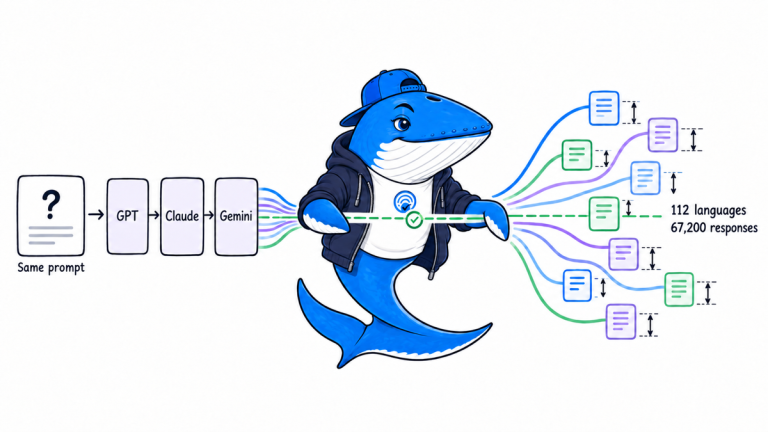
An audit of GPT, Claude and Gemini found that responses to the same Ukraine-war statement bank varied across 112 language and script conditions.
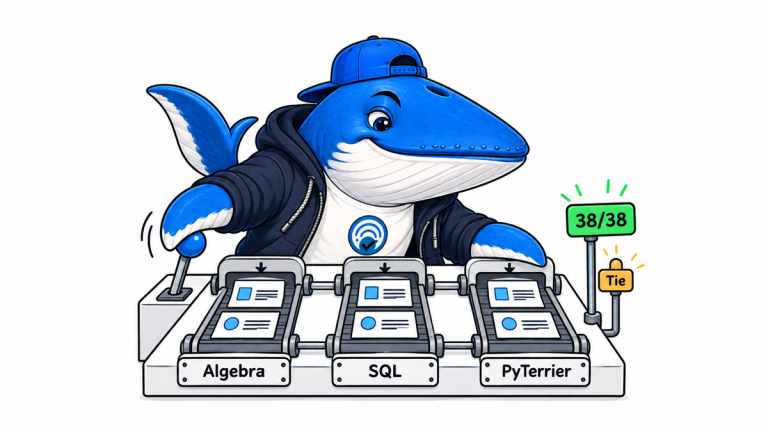
We ran the portable Algebraic Retrieval suite and verified its receipt hash. The full 11,429-document Java fixture remains outside this local test.
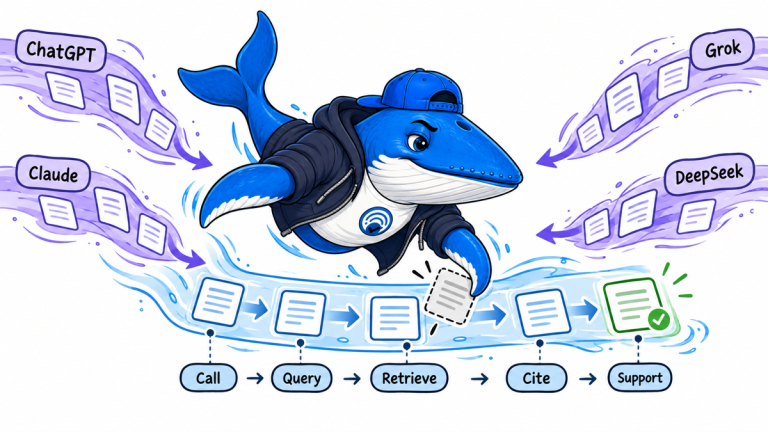
A 171,264-conversation study shows that four AI platforms differ at every search stage, from deciding to browse through selecting citations.
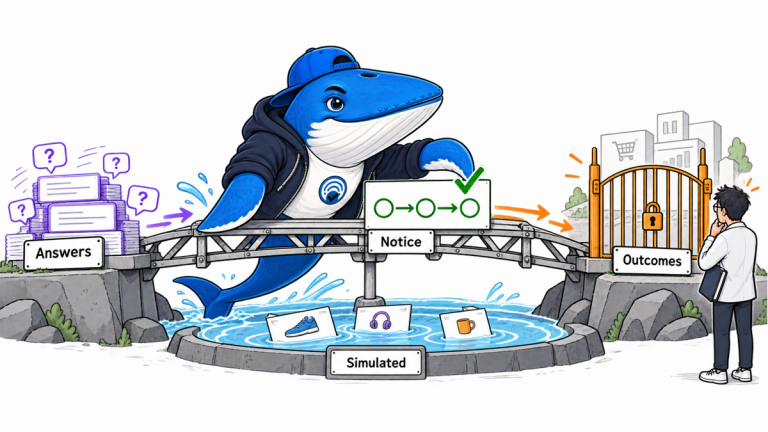
A new GMMM preprint connects generated-answer inclusion, question volume, system use and notice probability, but its empirical demonstration is simulated.

Chrome added four experimental ad metrics to CrUX. We measured a fixed publisher panel and found why count, density, CPU and network weight need separate diagnoses.
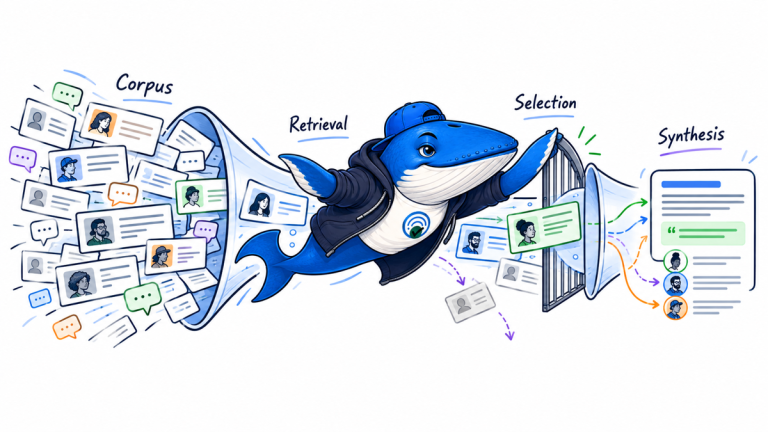
A 30,000-output study finds retrieval drives most variation while Reddit Answers favors early, top-level and more formal comments in its selected evidence.
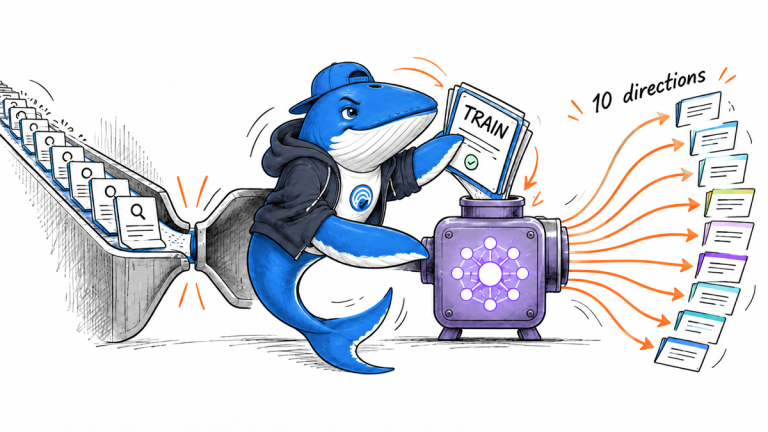
Google researchers report that Retrieve-for-Train generated ten retrieval directions 12× to 20× faster in fashion and music benchmarks, while the diffusion model traded some recall for greater diversity.

A 190-million-document benchmark shows why retrieval recall, unique evidence coverage and downstream citations must be measured separately.
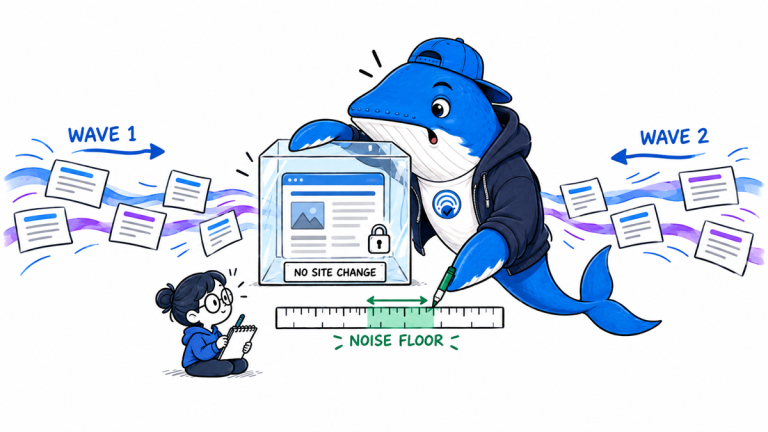
A 1,200-observation research protocol for measuring how AI mentions, recommendations, and citations move when the monitored site does not change.
A useful standard
A useful study makes its conditions visible. Treat each result as evidence within a declared sample and environment, not as a universal platform rule.
The question, inputs, environment, measures, and stopping rule should be understandable before the result is interpreted.
Timeouts, absent results, rejected cases, and contradictory observations are data, not material to hide.
A measured association or one platform observation does not automatically establish causation or a permanent ranking rule.
References and next steps
The Answer Brief
Get practical SEO and AI-search guidance, new experiments, and the workflows worth keeping.
Unsubscribe anytime. Your inbox stays yours.
Practical, evidence-based answers for earning visibility in search engines and AI answers.
Get the Chrome extension Read the living case study
Independent publication. Sources, corrections, authorship, and commercial relationships are disclosed openly.
Search the publication
Search reporting, guides, research, checklists, and browser tools.
SearchEngineAnswer app
Install the site on your home screen for a focused, standalone reading experience. No app-store account is required.
On iPhone or iPad, open the browser Share menu and choose “Add to Home Screen.” On other devices, use your browser’s Install option when available.
Privacy controls
Required for security, saved controls, and remembering this choice.
No analytics service is currently configured.
No advertising or behavioral targeting is currently configured.