
Google Site Moves: Build a Domain-Variant Migration Matrix
Map www, non-www, HTTP, HTTPS, and subdomain variants before a domain move so verification, redirects, Change of Address, and monitoring stay complete.
Guide archive
Follow structured, evidence-led guides for substantial SEO and AI-search tasks. Each guide defines the job, orders the work, shows the evidence, and ends with a completion point.
From this desk
The featured page offers a strong introduction. The remaining cards help readers move through this editorial section without turning the archive into a service menu.
Read the featured guide
Move from reader job and claim classification through research, drafting, skeptical review, technical preparation, publication, and maintenance.
Complete guides
Guides are reserved for tasks that need a substantial ordered workflow. Shorter decisions remain focused articles, checklists, or tools.
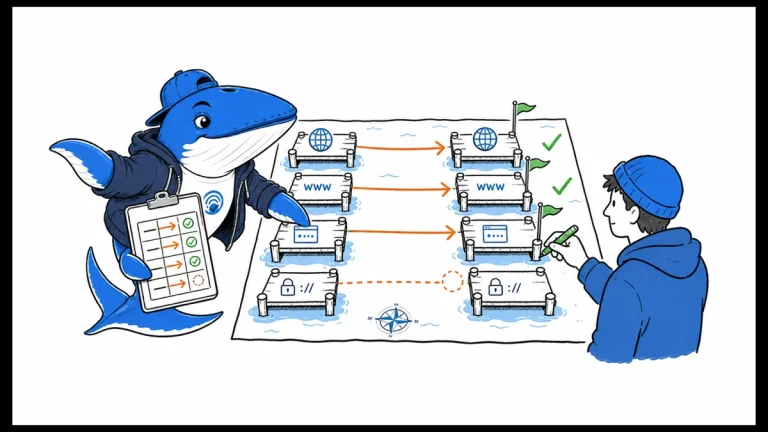
Map www, non-www, HTTP, HTTPS, and subdomain variants before a domain move so verification, redirects, Change of Address, and monitoring stay complete.
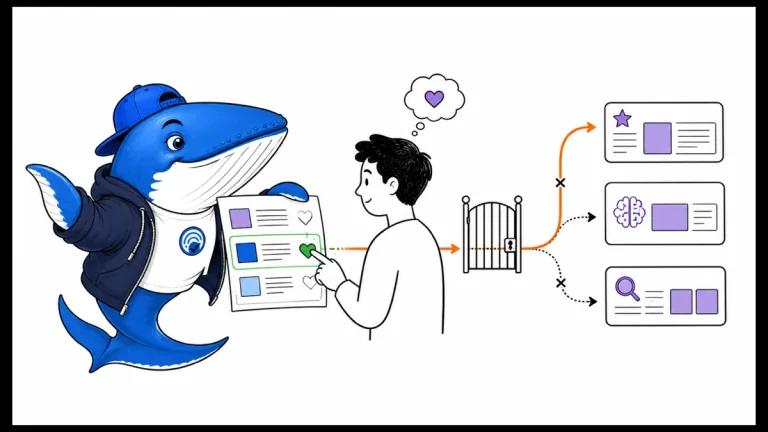
Implement Google’s Preferred Sources deep link, explain the user-level preference accurately, and measure the CTA without turning clicks into ranking claims.
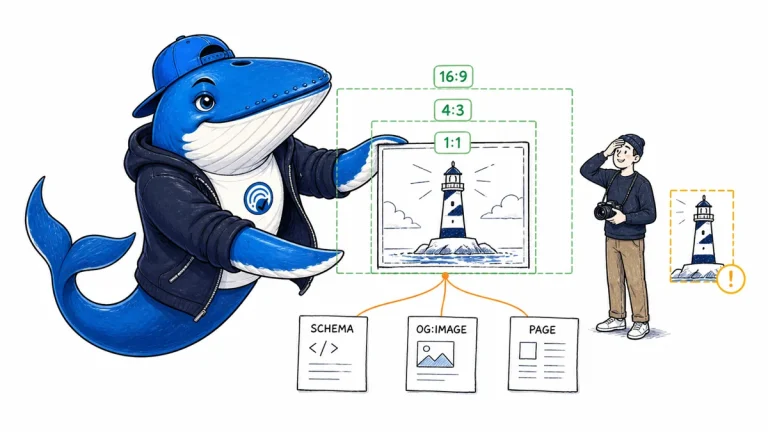
Use consistent preferred-image metadata, crawlable 1200-pixel sources, and crop-safe composition to improve image eligibility without assuming Google must select your asset.
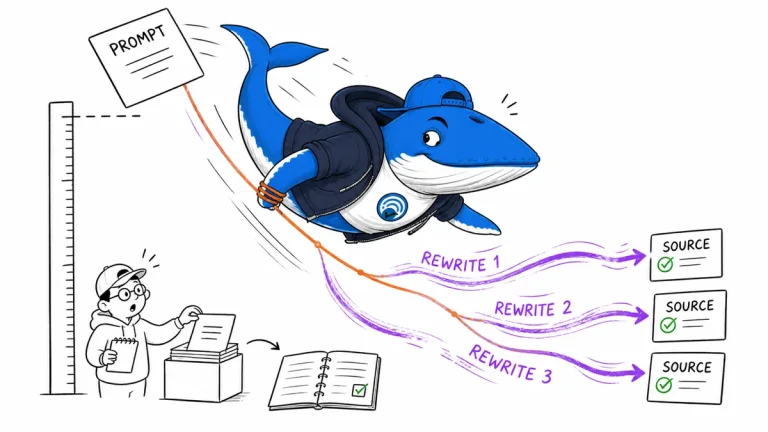
ChatGPT Search can rewrite one question into multiple targeted searches. Learn what exact-prompt trackers can observe and how to design a more honest test.
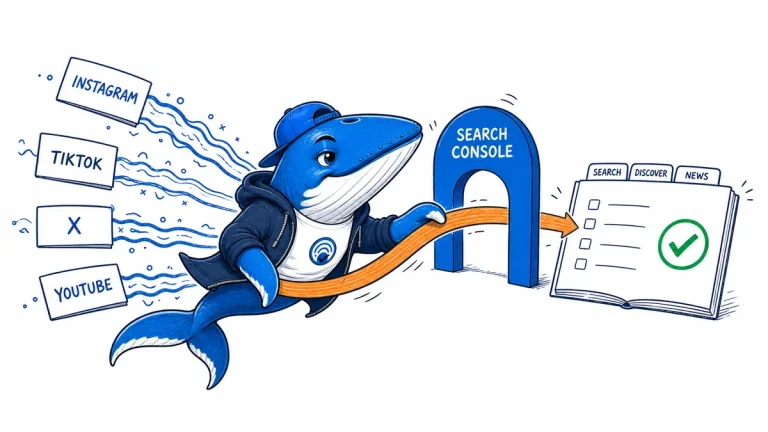
Use Google Search Console platform properties to measure Instagram, TikTok, X, and YouTube appearances across Search, Discover, and News without mixing incompatible metrics.
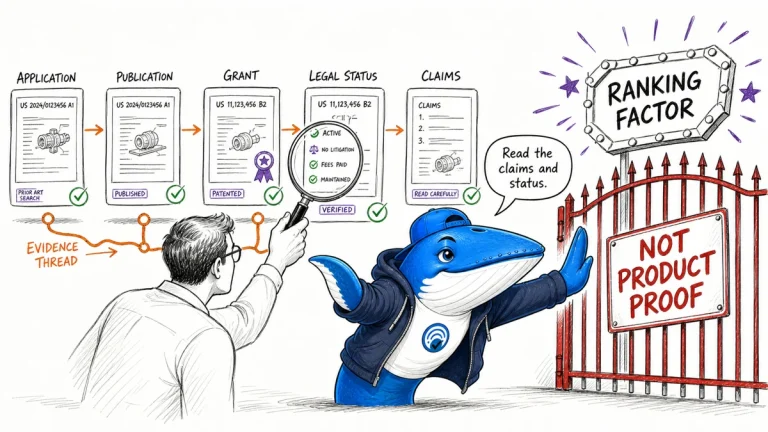
Trace a search patent’s identity, family, legal status, claims, specification, and external implementation evidence before making a product or ranking claim.
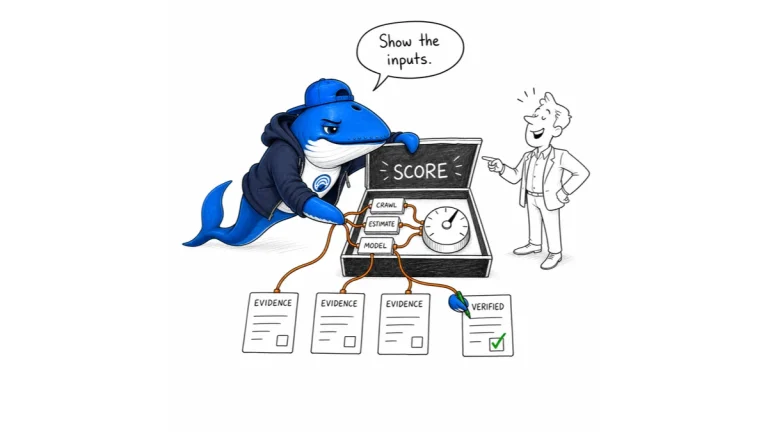
Evaluate SEO and GEO scores by their inputs, collection method, freshness, weighting, coverage, validation, and the decision they actually change.
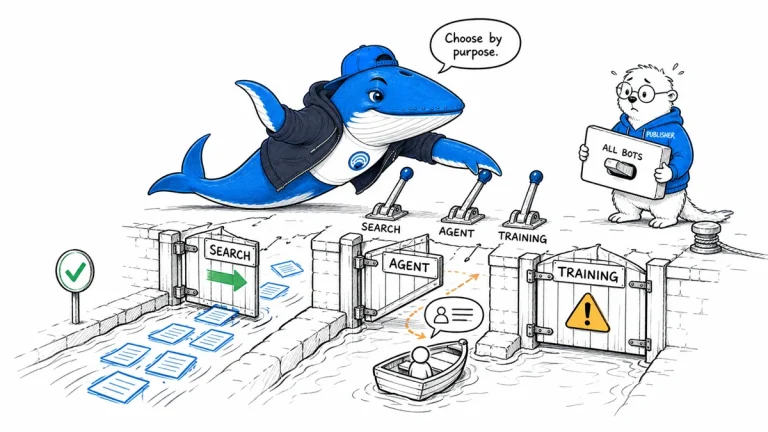
Build a crawler policy by purpose and named bot, with separate controls for search discovery, user-directed agents, training, verification, and server protection.
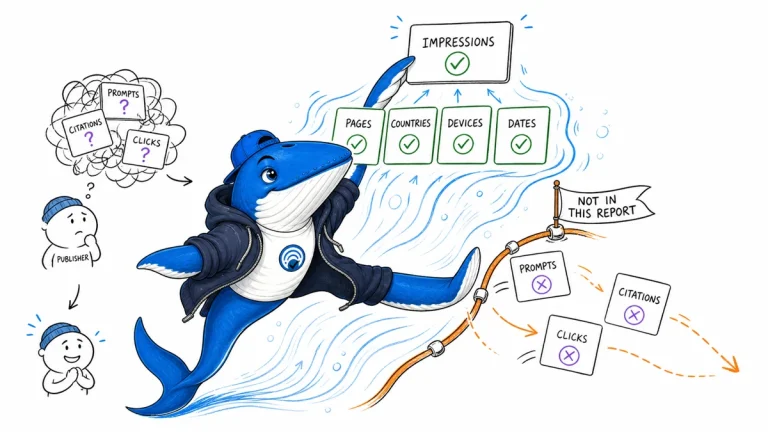
Google’s beta report isolates AI Overviews and AI Mode impressions. Learn what the data establishes, what it cannot prove, and how to build a repeatable monitoring baseline.
A useful standard
A guide earns its length by helping a reader complete a demanding task. It should be navigable, testable, and useful after the first read.
The opening states who the guide is for, what decision or task it supports, and what remains outside its scope.
Sections follow the work itself. Examples, evidence, and limitations appear beside the decisions they constrain.
The ending defines what finished looks like, what still needs monitoring, and which tool or checklist supports the next step.
References and next steps
The Answer Brief
Get practical SEO and AI-search guidance, new experiments, and the workflows worth keeping.
Unsubscribe anytime. Your inbox stays yours.
Practical, evidence-based answers for earning visibility in search engines and AI answers.
Get the Chrome extension Read the living case study
Independent publication. Sources, corrections, authorship, and commercial relationships are disclosed openly.
Search the publication
Search reporting, guides, research, checklists, and browser tools.
SearchEngineAnswer app
Install the site on your home screen for a focused, standalone reading experience. No app-store account is required.
On iPhone or iPad, open the browser Share menu and choose “Add to Home Screen.” On other devices, use your browser’s Install option when available.
Privacy controls
Required for security, saved controls, and remembering this choice.
No analytics service is currently configured.
No advertising or behavioral targeting is currently configured.