
Crawled Isn’t Indexed: A Large-Ecommerce Indexation Workflow
Define the indexable product set, segment outcomes by template and reason, close faceted crawl traps, and improve selection signals before requesting more crawling.
SEO desk
Reporting, guides, and practical analysis about technical SEO, content architecture, site launches, crawling, indexing, and measurement.
From this desk
The featured page offers a strong introduction. The remaining cards help readers move through this editorial section without turning the archive into a service menu.
Read the featured guide
Clear indexing and template blockers before polishing lower-impact details. The audit framework shows the order and the evidence to record.
Latest SEO stories
Browse the archive in publication order. Each article keeps its evidence, examples, limitations, and next action together.
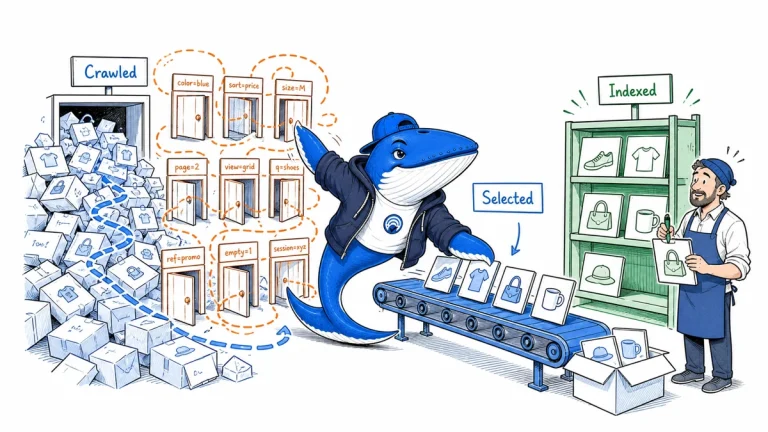
Define the indexable product set, segment outcomes by template and reason, close faceted crawl traps, and improve selection signals before requesting more crawling.
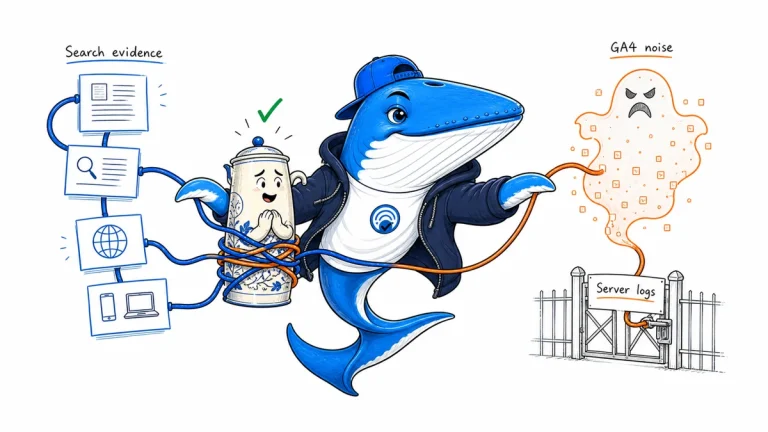
Separate a real Google Search decline from GA4 referral noise with one incident card, Search Console segmentation, analytics classification, and independent recovery rules.
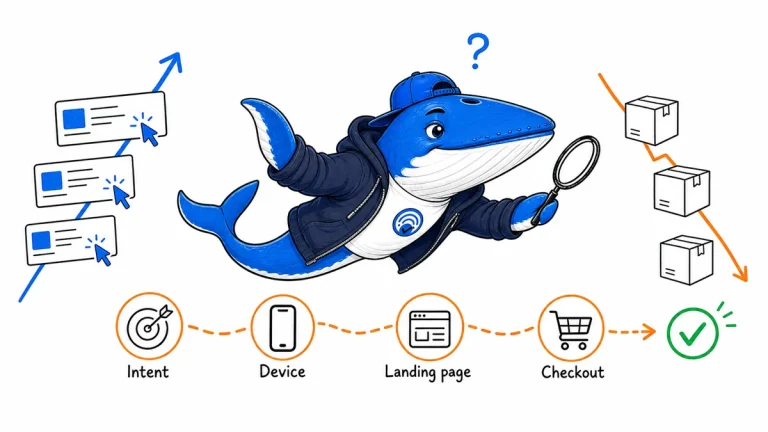
Reconcile Search Console clicks, GA4 sessions, funnel events and backend outcomes to find why organic traffic rose while sales fell.
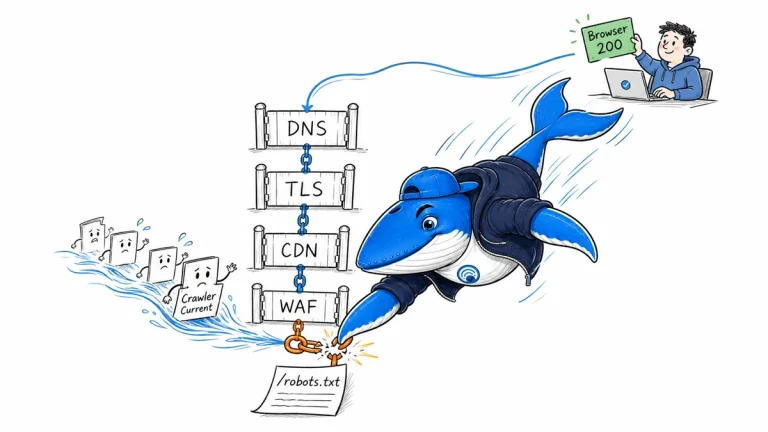
Diagnose a crawler-facing robots.txt failure across DNS, IPv4 and IPv6, TLS, CDN, WAF, redirects, and origin logs instead of trusting one browser request.
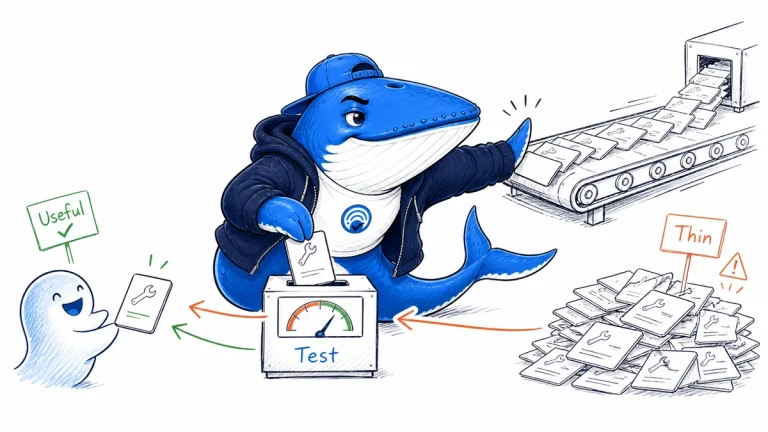
Use a 12-point launch gate and a matched-query test to decide whether an AI-assisted tool library creates distinct utility or thin indexable templates.
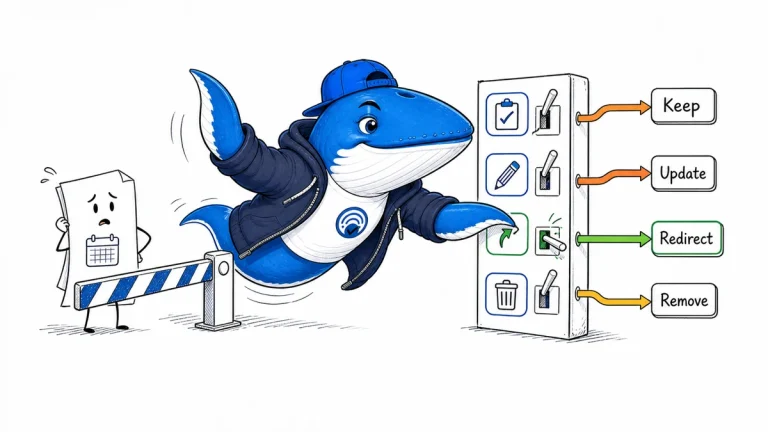
Choose what to do with an expired event, offer, deadline, or annual page using reader intent, replacement equivalence, historical value, accuracy, and recurring demand.
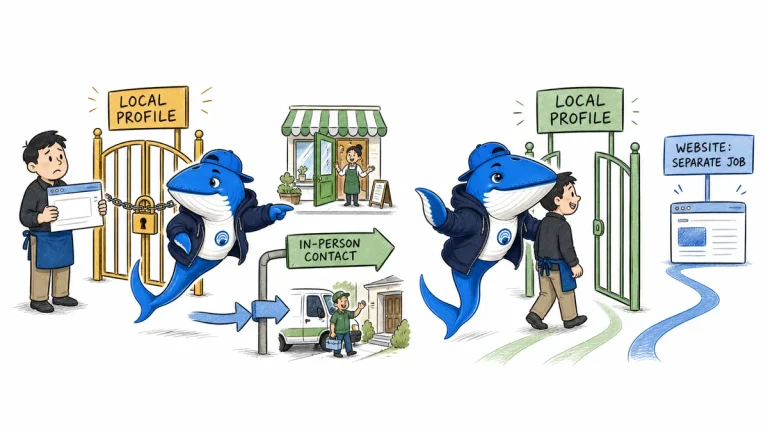
Test local Business Profile eligibility, ownership, operating facts, website purpose and customer actions with a 30-field downloadable audit.
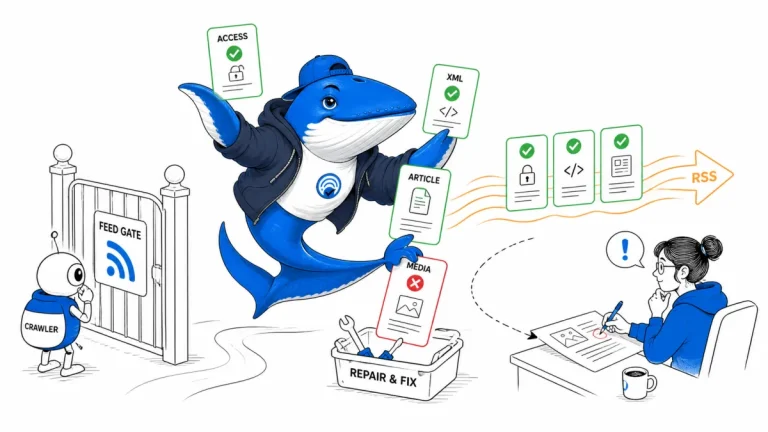
Validate a Yandex news RSS feed with a 22-point worksheet and a real SearchEngineAnswer feed audit covering access, XML, full text and page parity.
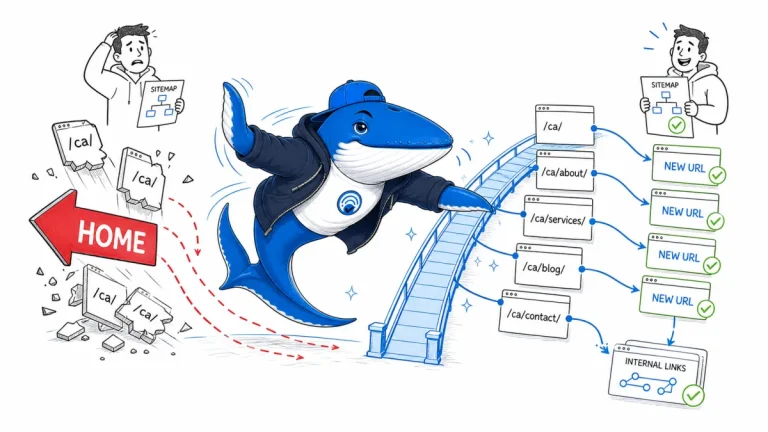
A URL-prefix removal can expose redirect, canonical, sitemap, internal-link, and content-equivalence failures. Diagnose the migration before blaming an update.
A useful standard
Choose the page that matches the decision in front of you. Each answer distinguishes documented requirements from recommended practice and keeps uncertainty visible.
Resolve crawl, index, rendering, and template failures before spending time on refinements that search systems may never see.
Map each page to a reader decision so internal links, headings, and content depth support a clear purpose.
Treat Search Console, analytics, crawls, and experiments as different evidence sources. None proves causation on its own.
References and next steps
The Answer Brief
Get practical SEO and AI-search guidance, new experiments, and the workflows worth keeping.
Unsubscribe anytime. Your inbox stays yours.
Practical, evidence-based answers for earning visibility in search engines and AI answers.
Get the Chrome extension Read the living case study
Independent publication. Sources, corrections, authorship, and commercial relationships are disclosed openly.
Search the publication
Search reporting, guides, research, checklists, and browser tools.
SearchEngineAnswer app
Install the site on your home screen for a focused, standalone reading experience. No app-store account is required.
On iPhone or iPad, open the browser Share menu and choose “Add to Home Screen.” On other devices, use your browser’s Install option when available.
Privacy controls
Required for security, saved controls, and remembering this choice.
No analytics service is currently configured.
No advertising or behavioral targeting is currently configured.