
Content Optimization for AI Search: A Page-Level Rewrite Workflow
Repair an existing page with a clear claim, primary evidence, worked example and limitation—then measure the result without erasing the baseline.
Publication archive
Browse SearchEngineAnswer reporting, analysis, guides, research, checklists, and practical workflows in publication order.
From this desk
The featured page offers a strong introduction. The remaining cards help readers move through this editorial section without turning the archive into a service menu.
Start with the editorial guide
Use the subject desks for focused browsing, or continue to the complete chronological archive below.
Complete archive
Open a story for its complete evidence, examples, limitations, author information, and reader discussion.
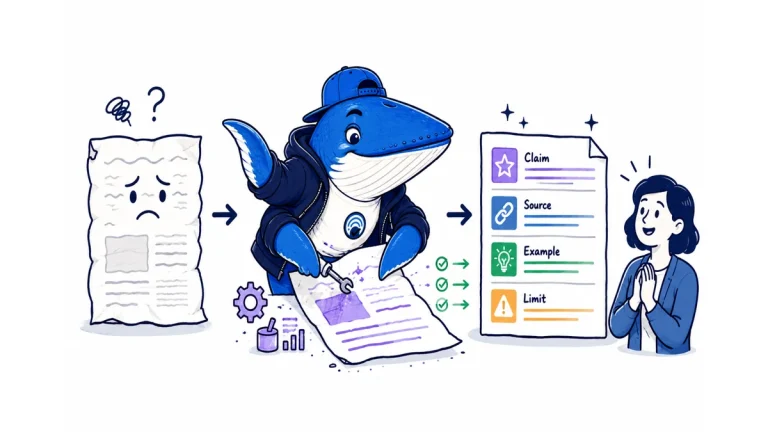
Repair an existing page with a clear claim, primary evidence, worked example and limitation—then measure the result without erasing the baseline.
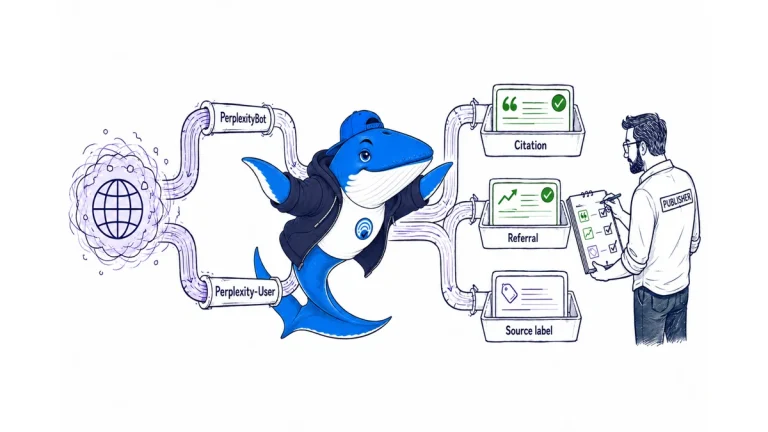
Audit PerplexityBot and Perplexity-User separately, validate cited claims, capture source labels and connect detectable referrals to qualified outcomes.
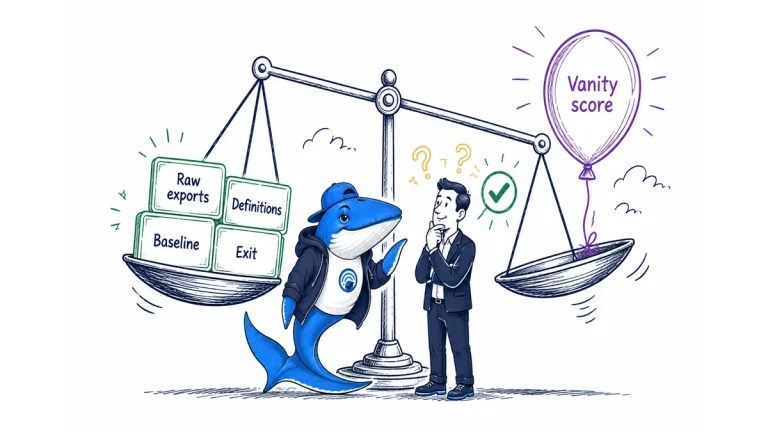
Compare agencies on raw exports, definitions, evidence quality, ownership, security and a paid pilot—not a proprietary visibility score.
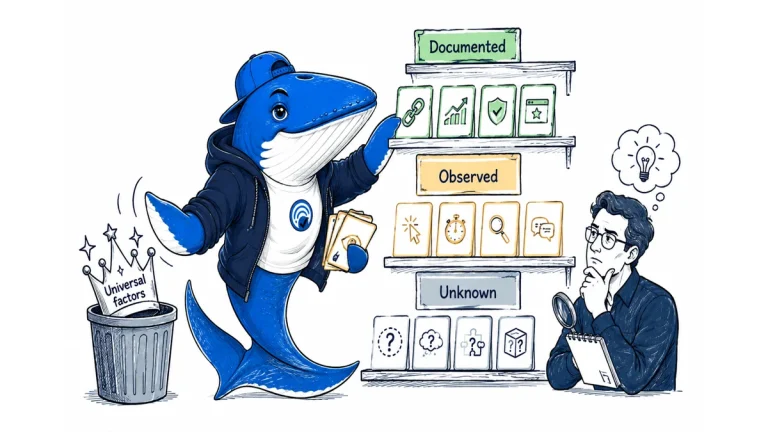
Separate documented eligibility and controls from practitioner observations and unknown source-selection mechanics before acting on ranking-factor claims.
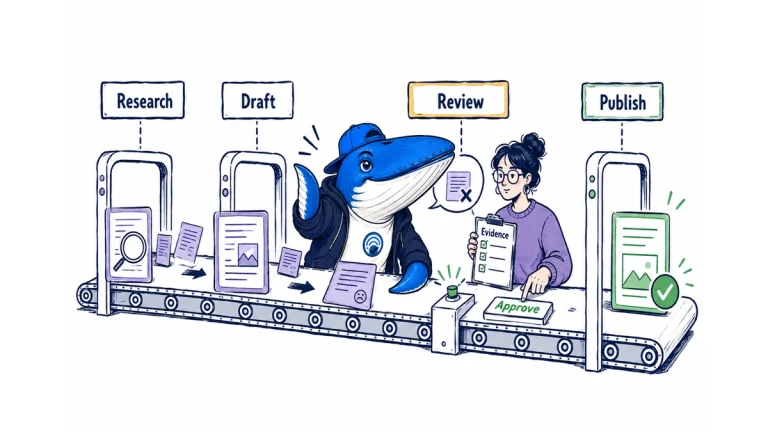
Automate research handoffs and repetitive checks while requiring evidence validation, named approval, least-privilege access and rollback before WordPress publication.
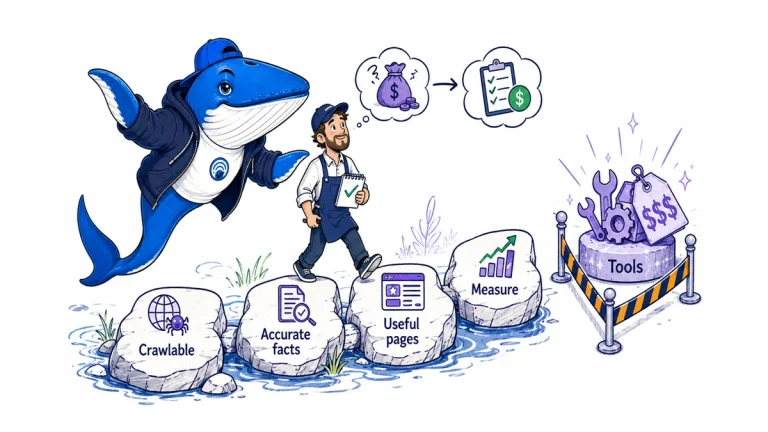
A seven-gate diagnostic, worked small-SaaS example and 90-day plan for improving search and AI visibility without buying tools before the constraint is known.
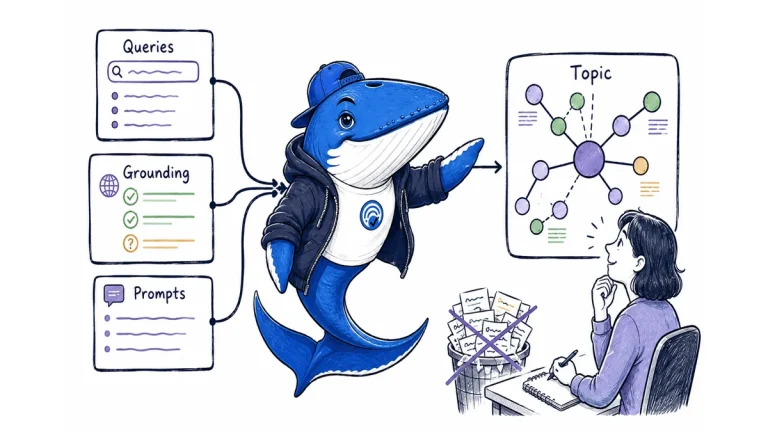
Combine Search Console, modeled demand, grounding reports and fixed prompt observations without pretending they share the same unit.
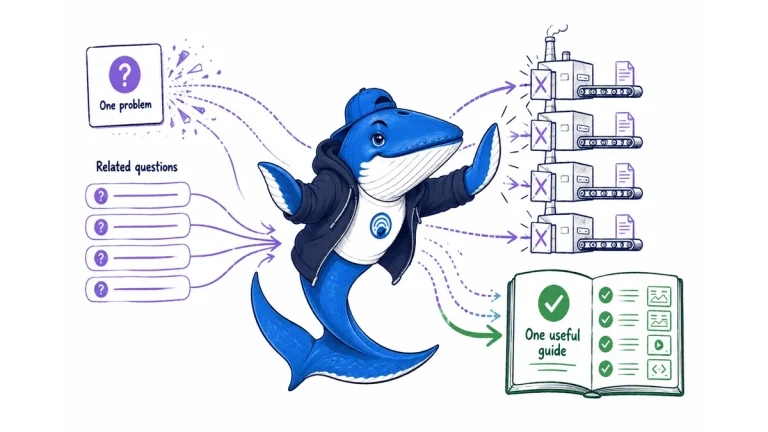
Map related questions around one user problem, then decide which belong in a deep guide and which truly deserve a separate URL.
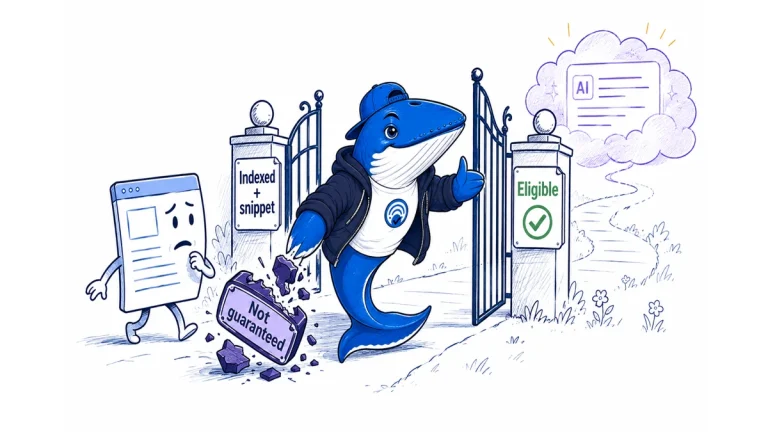
Google documents ordinary Search eligibility for AI Overview supporting links—not a special schema or guaranteed inclusion. The workflow starts there.
A useful standard
SearchEngineAnswer is an independent publication. Stories should help a reader understand what changed, what the evidence supports, and what to do next.
A story should answer a focused question or support a concrete decision rather than merely announce a topic.
Material facts stay close to current primary documentation, reproducible evidence, or clearly attributed reporting.
Meaningful changes, uncertainty, corrections, and publication dates remain visible so readers can judge freshness.
References and next steps
The Answer Brief
Get practical SEO and AI-search guidance, new experiments, and the workflows worth keeping.
Unsubscribe anytime. Your inbox stays yours.
Practical, evidence-based answers for earning visibility in search engines and AI answers.
Get the Chrome extension Read the living case study
Independent publication. Sources, corrections, authorship, and commercial relationships are disclosed openly.
Search the publication
Search reporting, guides, research, checklists, and browser tools.
SearchEngineAnswer app
Install the site on your home screen for a focused, standalone reading experience. No app-store account is required.
On iPhone or iPad, open the browser Share menu and choose “Add to Home Screen.” On other devices, use your browser’s Install option when available.
Privacy controls
Required for security, saved controls, and remembering this choice.
No analytics service is currently configured.
No advertising or behavioral targeting is currently configured.