
Google AI Mode Adds Link Carousels for Developing Topics
Google AI Mode can now show link carousels for developing topics. A 24-, 48-, and 72-hour ledger helps publishers separate inclusion, source movement, and visits.
Publication archive
Browse SearchEngineAnswer reporting, analysis, guides, research, checklists, and practical workflows in publication order.
From this desk
The featured page offers a strong introduction. The remaining cards help readers move through this editorial section without turning the archive into a service menu.
Start with the editorial guide
Use the subject desks for focused browsing, or continue to the complete chronological archive below.
Complete archive
Open a story for its complete evidence, examples, limitations, author information, and reader discussion.
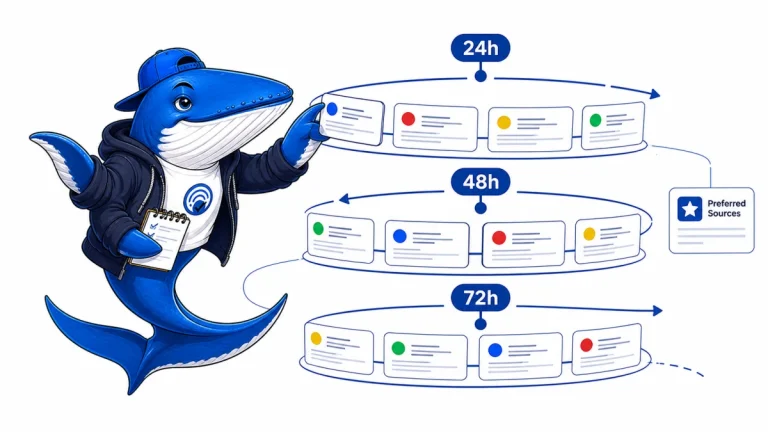
Google AI Mode can now show link carousels for developing topics. A 24-, 48-, and 72-hour ledger helps publishers separate inclusion, source movement, and visits.
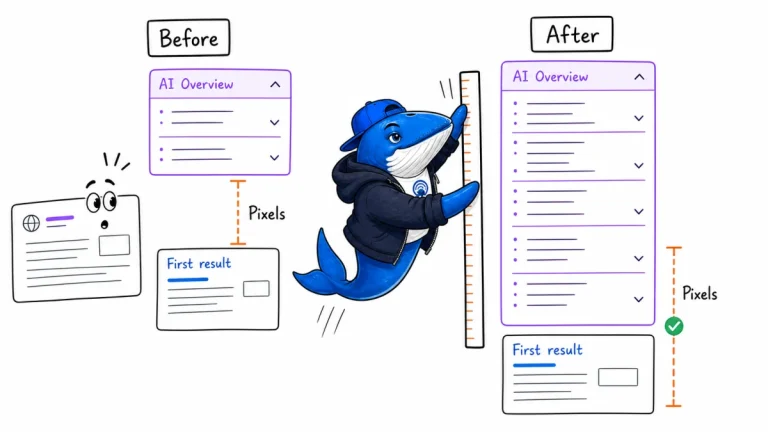
Some Google AI Overviews can expand automatically before a user scrolls. Measure the pixel displacement and first-organic visibility instead of relying on rank position alone.
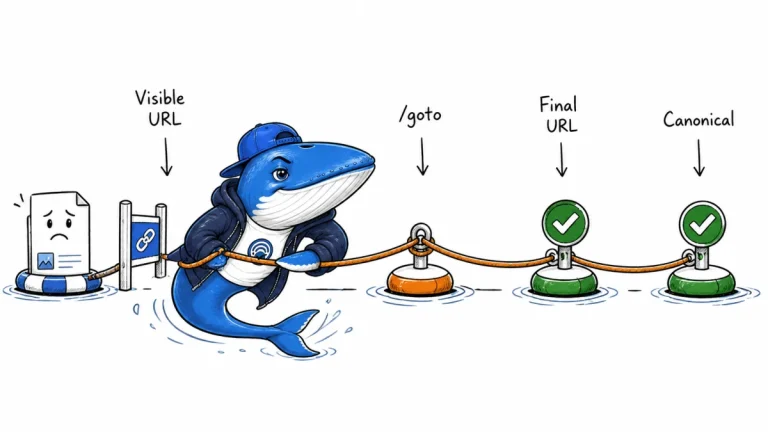
Google is routing some result clicks through opaque /goto URLs. The change affects the clickable SERP link layer, not publishers’ canonical or indexed URLs.
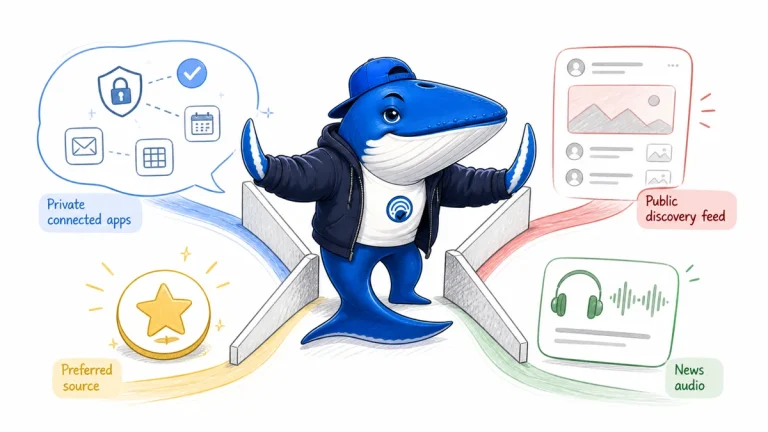
Dreambeans, Discover, Preferred Sources, and Google News audio use different inputs and offer different publisher opportunities. Here is the current product boundary.
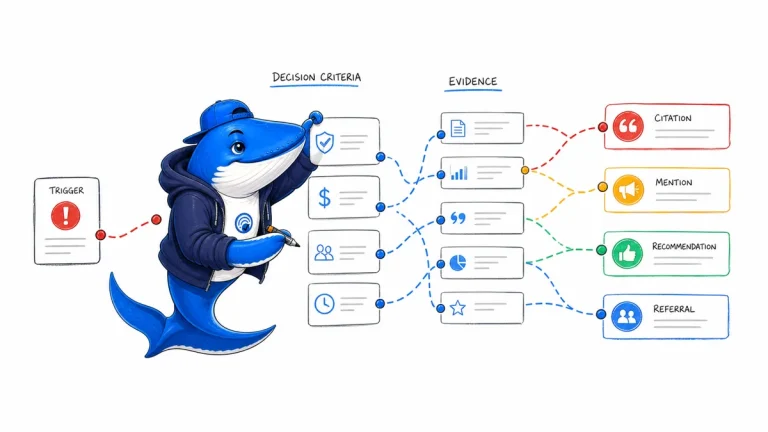
Semrush reports gains from buyer-situation content. We audit the vendor case study and provide a frozen-prompt replication protocol for citations, mentions, recommendations, and referrals.
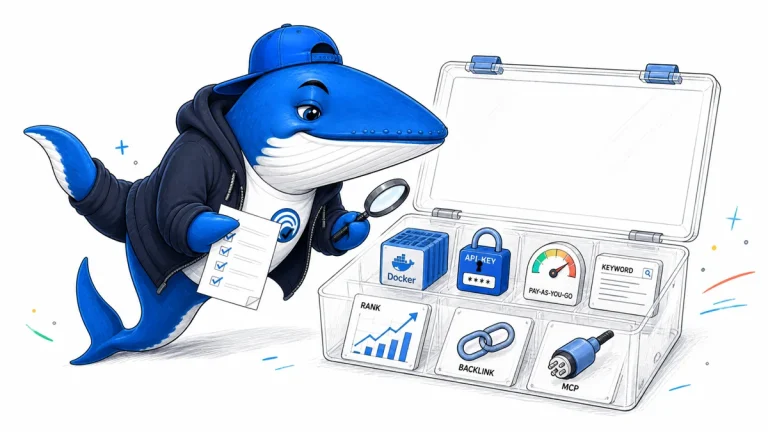
A source-based review of OpenSEO v0.1.8 across hosted, Docker and Cloudflare setups, with MCP, Agent Skills, rank definitions and a practical evaluation worksheet.
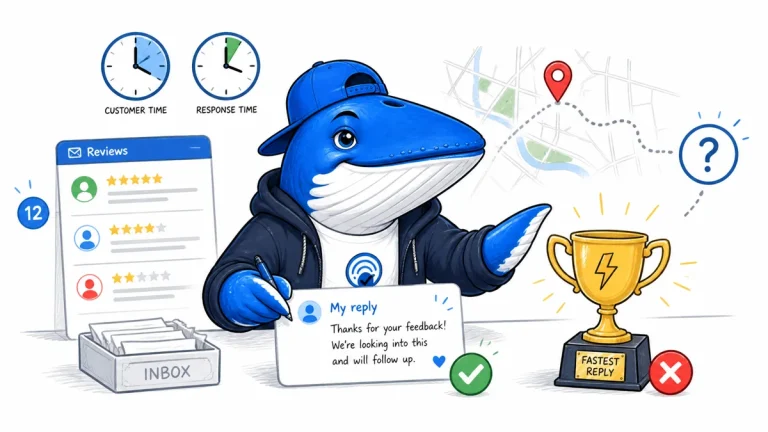
Google recommends useful review replies but does not document reply speed as a local-ranking factor. Here is a service policy and a cautious test design.
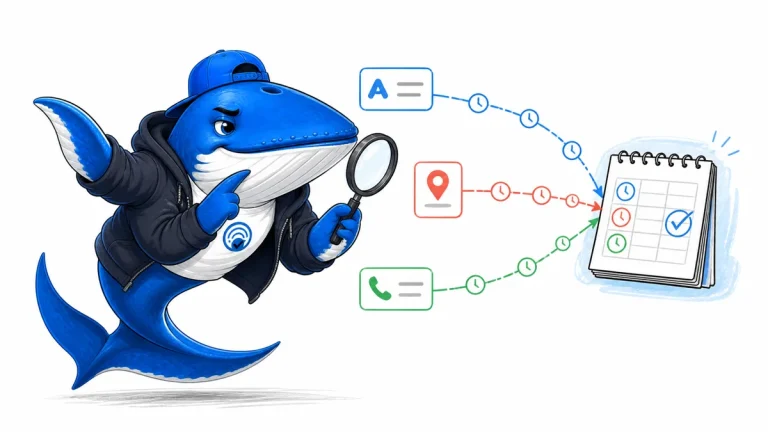
Reconcile Ads, Business Profile, tagged website, call-tracking, and booking records before crediting a local lead spike to the wrong channel.
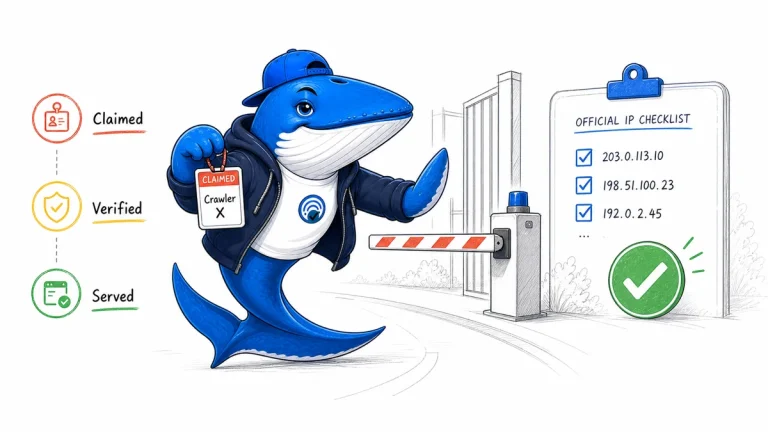
A crawler name in a log is only a claim. Verify OpenAI, Anthropic, Perplexity, and Google requests using their documented IP or DNS methods before changing access rules.
A useful standard
SearchEngineAnswer is an independent publication. Stories should help a reader understand what changed, what the evidence supports, and what to do next.
A story should answer a focused question or support a concrete decision rather than merely announce a topic.
Material facts stay close to current primary documentation, reproducible evidence, or clearly attributed reporting.
Meaningful changes, uncertainty, corrections, and publication dates remain visible so readers can judge freshness.
References and next steps
The Answer Brief
Get practical SEO and AI-search guidance, new experiments, and the workflows worth keeping.
Unsubscribe anytime. Your inbox stays yours.
Practical, evidence-based answers for earning visibility in search engines and AI answers.
Get the Chrome extension Read the living case study
Independent publication. Sources, corrections, authorship, and commercial relationships are disclosed openly.
Search the publication
Search reporting, guides, research, checklists, and browser tools.
SearchEngineAnswer app
Install the site on your home screen for a focused, standalone reading experience. No app-store account is required.
On iPhone or iPad, open the browser Share menu and choose “Add to Home Screen.” On other devices, use your browser’s Install option when available.
Privacy controls
Required for security, saved controls, and remembering this choice.
No analytics service is currently configured.
No advertising or behavioral targeting is currently configured.