
Top-500 Retrieval Still Missed Useful Evidence
Re:CAP recovered relevant documents missed by flat retrieval, including gaps left by a 1,500-candidate ensemble. That changes how retrieval coverage should be audited.
Answer-engine visibility desk
News, analysis, guides, and research about AEO, GEO, AI answers, citations, retrieval, technical eligibility, entity clarity, and measurement.
From this desk
The featured page offers a strong introduction. The remaining cards help readers move through this editorial section without turning the archive into a service menu.
Read the featured guide
Check whether a passage states a bounded answer, names its evidence, exposes important limits, and remains understandable outside the surrounding page.
Latest AEO & AI Search stories
New stories are added when they contribute a verified change, method, test, or useful framework—not a citation promise.
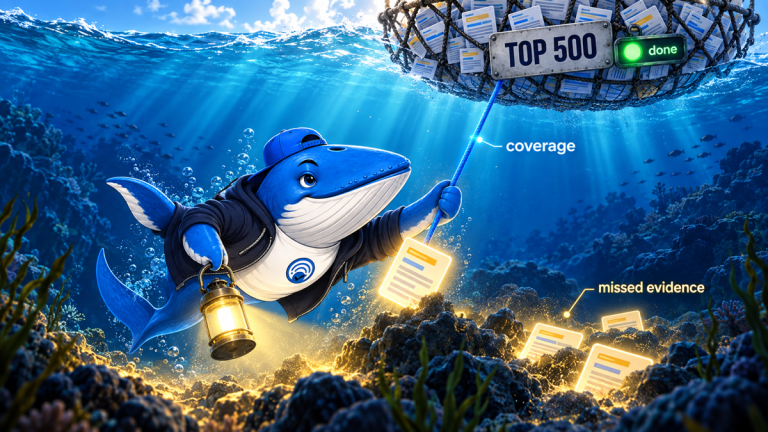
Re:CAP recovered relevant documents missed by flat retrieval, including gaps left by a 1,500-candidate ensemble. That changes how retrieval coverage should be audited.
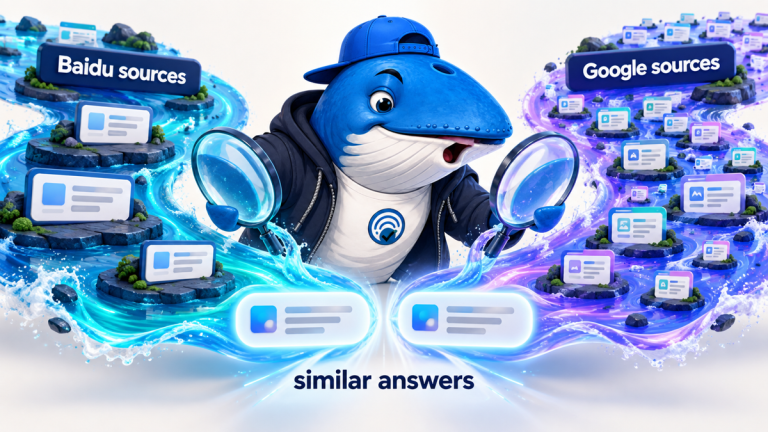
A 500-query bilingual study found high answer similarity but very low cited-host overlap between Baidu and Google AI overviews.
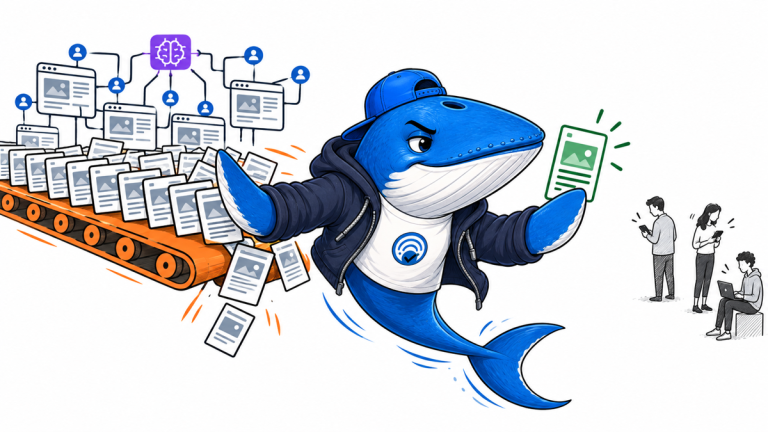
Anthropic documented a coordinated network of fabricated news sites, paired social accounts and rigid publishing constraints. The useful lesson is the network footprint, not a guess about whether one paragraph sounds AI-written.
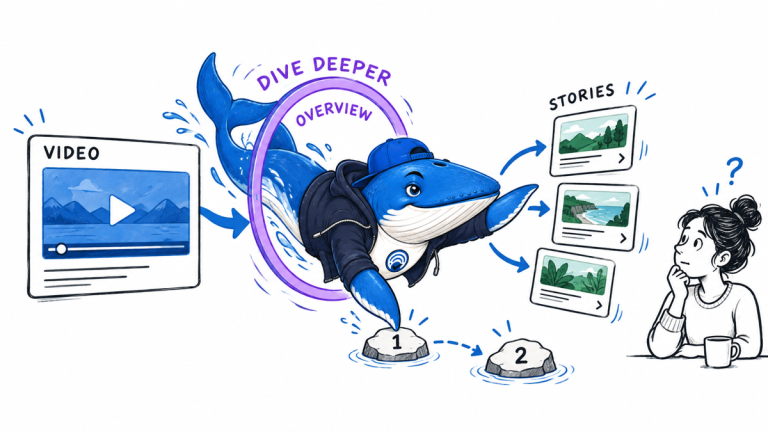
The limited Discover experiment adds a topic overview between some video cards and related web stories. Its effect on publisher clicks remains unmeasured.
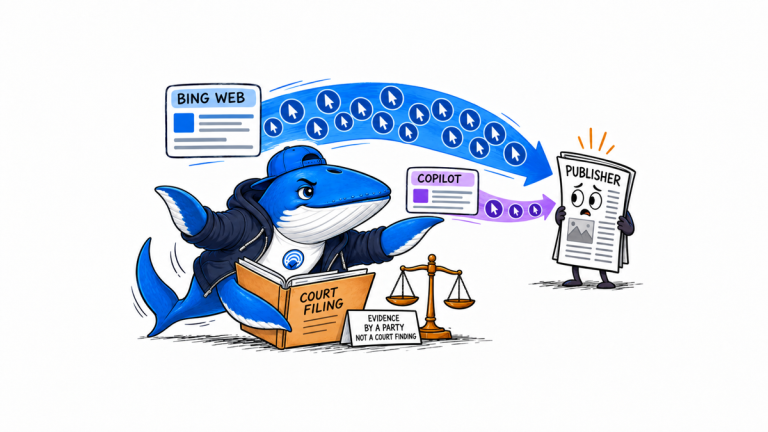
A plaintiffs’ filing reports much lower publisher click-through rates in Copilot than Bing Web Search. Here is what the figures prove, omit and change.
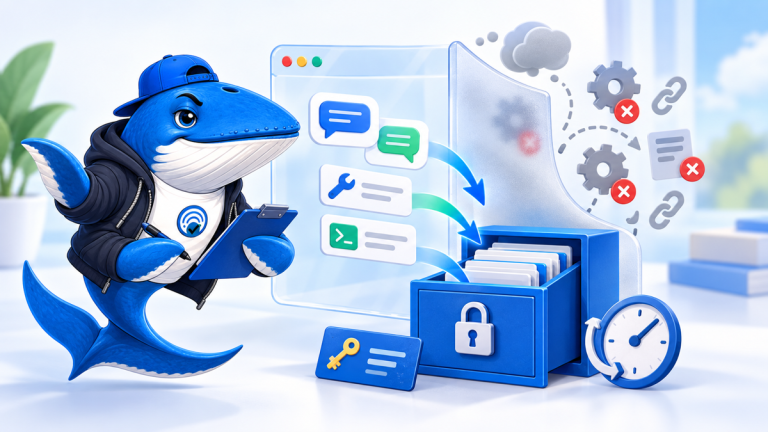
Anthropic’s Enterprise compliance export records prompts, responses and text tool activity for Claude in Chrome, with important exclusions and retention limits.
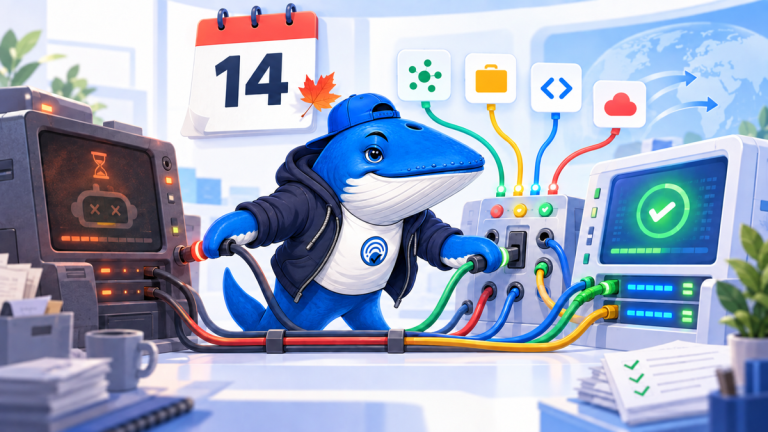
GPT-5.5 is leaving ChatGPT, ChatGPT Work and Codex on October 14, while the API remains unaffected. Use this surface-by-surface migration plan.
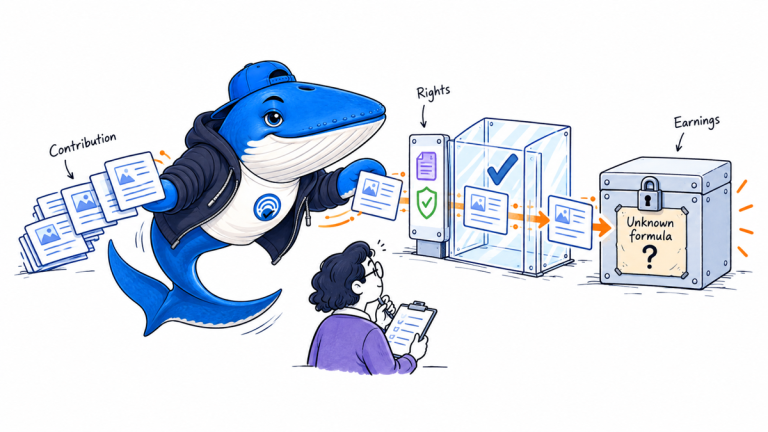
Google is testing payments when publisher content significantly contributes to AI answers. Here is what is confirmed, undisclosed and worth measuring.
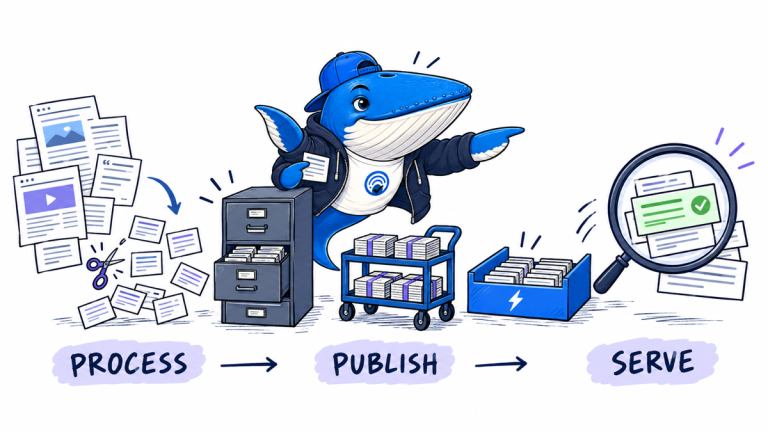
Perplexity reports roughly 80% lower read latency after separating passage processing, publishing and hot retrieval. Here is what publishers can and cannot infer.
A useful standard
AI answers vary by platform, query, location, account state, and time. A citation is an observation in one answer context, not a permanent ranking.
A page still needs ordinary crawlability, indexability, useful content, and accessible text before any answer system can evaluate it.
Primary sources, precise entities, dates, methods, and visible limits make a claim easier for readers and systems to check.
Referral and citation reports can document appearance. They do not prove why one source was selected or guarantee the next answer.
References and next steps
The Answer Brief
Get practical SEO and AI-search guidance, new experiments, and the workflows worth keeping.
Unsubscribe anytime. Your inbox stays yours.
Practical, evidence-based answers for earning visibility in search engines and AI answers.
Get the Chrome extension Read the living case study
Independent publication. Sources, corrections, authorship, and commercial relationships are disclosed openly.
Search the publication
Search reporting, guides, research, checklists, and browser tools.
SearchEngineAnswer app
Install the site on your home screen for a focused, standalone reading experience. No app-store account is required.
On iPhone or iPad, open the browser Share menu and choose “Add to Home Screen.” On other devices, use your browser’s Install option when available.
Privacy controls
Required for security, saved controls, and remembering this choice.
No analytics service is currently configured.
No advertising or behavioral targeting is currently configured.