
Two Google Ads Changes Alter Search Campaign Controls
Google is removing campaign-level language targeting from Search while moving some legacy automation settings into AI Max. Dynamic Search Ads follow a different 2027 schedule.
Tools and workflow coverage
Articles about APIs, retrieval systems, automation, testing, and the evidence needed to reproduce a result. This is an editorial archive; focused browser utilities live in the separate Tools library.
From this desk
The featured page offers a strong introduction. The remaining cards help readers move through this editorial section without turning the archive into a service menu.
Read the featured method
A useful workflow story records the account state, request, expected output, retained evidence, and stop condition beside the result.
Latest stories
Read the archive in publication order. Each story focuses on one implementation question and keeps its inputs, failures, evidence, and limits visible.
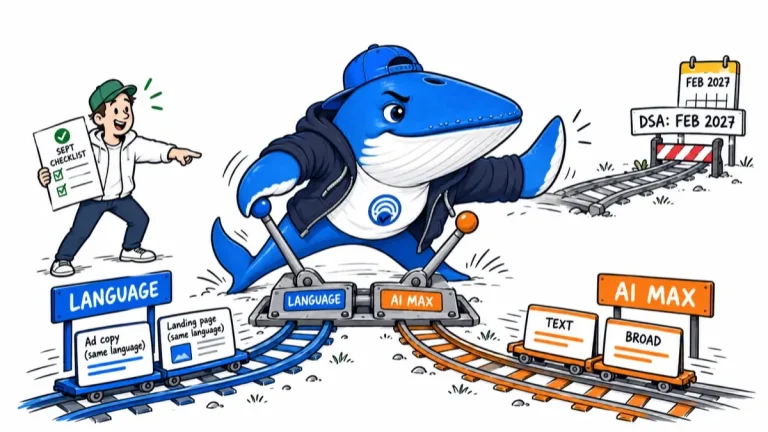
Google is removing campaign-level language targeting from Search while moving some legacy automation settings into AI Max. Dynamic Search Ads follow a different 2027 schedule.
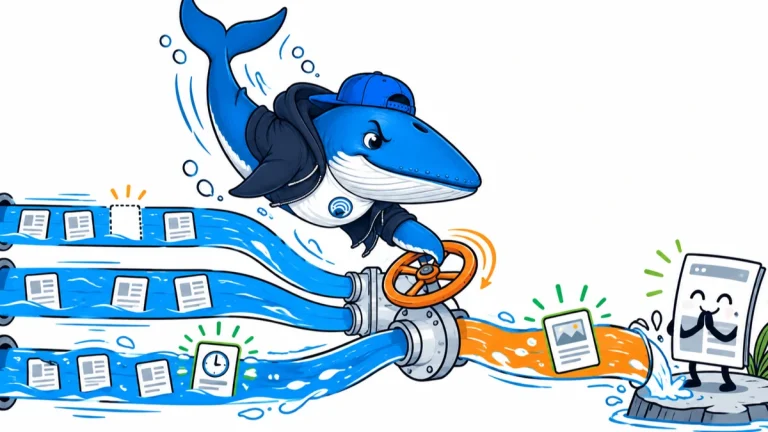
You.com’s extraction_source setting exposes a practical freshness decision: use cached content for speed, live fetch for recency, or blend the two. The right choice depends on the claim’s change rate.
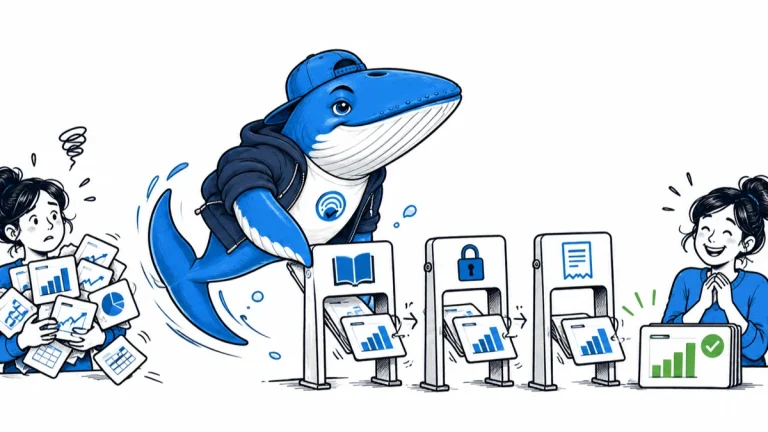
OpenAI’s Data agent can work across approved warehouses, files and BI tools while applying a team’s metric definitions and access rules. That changes where SEO reporting errors can be caught.
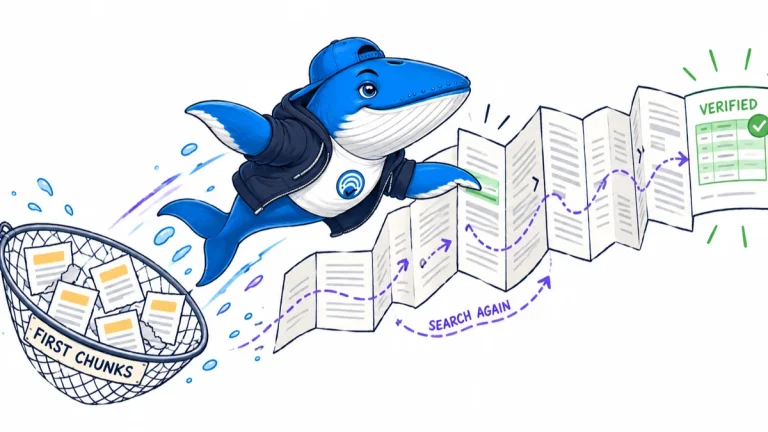
Mistral’s agentic retrieval layer can search, open, navigate, read and grep across ingested documents. Its benchmark claims are promising but vendor-reported.
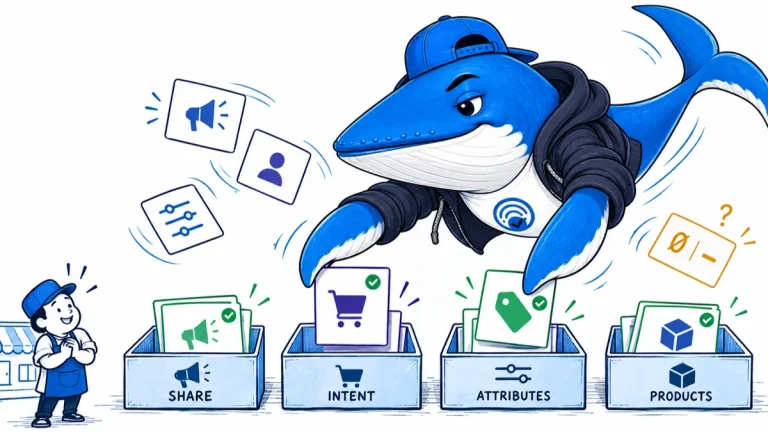
Interpret Merchant Center AI share of voice, stage and product signals, then test optional conversational attributes without confusing visibility with revenue.
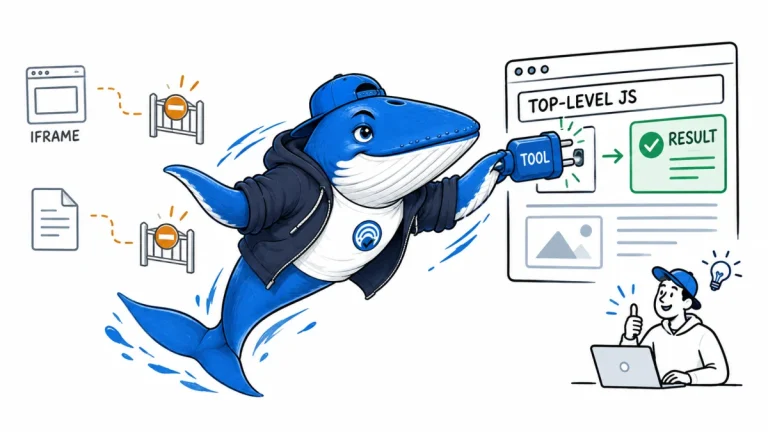
WebMCP exposes bounded actions in supported browsers. This updated guide adds Shopify checkout tools, buyer handoffs, iframe limits, security and fallback UI.
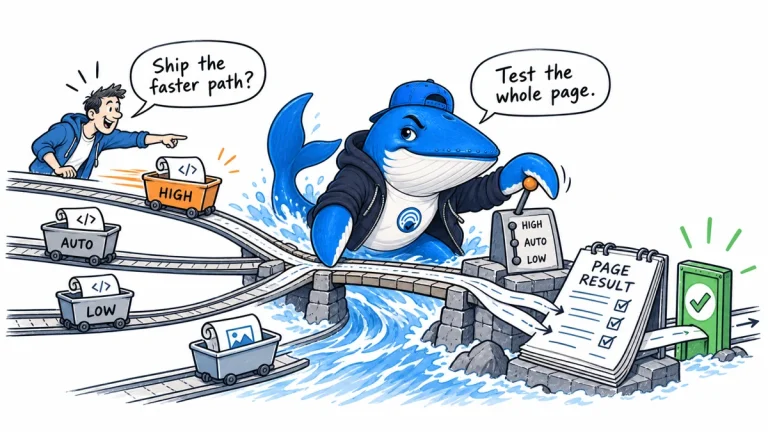
Google Publisher Tag now prioritizes its implementation script. Here is how publishers can test ad timing, page experience and the high, auto and low variants.
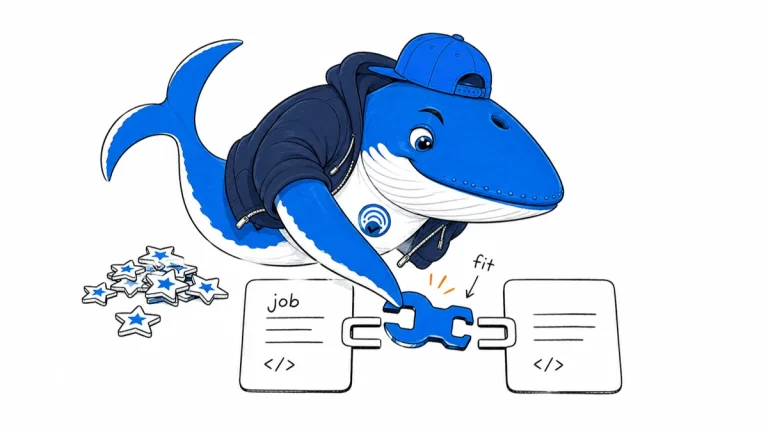
Find 50 GitHub repositories for SEO audits, crawling, reporting and content analysis. Compare uses, licenses and costs, then download the full CSV catalog.
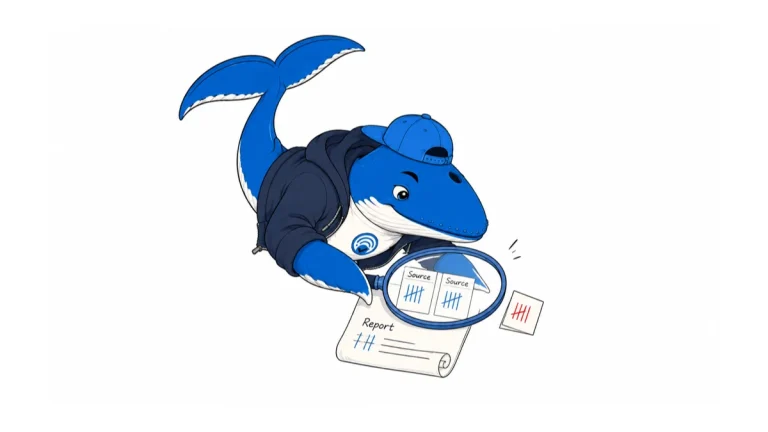
Microsoft’s MCP server connects ad data to AI assistants. Use a report-validation worksheet to check account scope, dates, arithmetic and unsupported claims.
A useful standard
A workflow is useful when another person can inspect what went in, what happened, what failed, and why the result changed a decision.
Preserve the request, configuration, account state, environment, and relevant versions before interpreting the response.
Keep timeouts, empty results, parser errors, retries, and zero-result runs. Removing them hides how the real system behaves.
Use stable internal labels for credentials and redact tokens, personal data, and licensed content that should not enter a report.
References and next steps
The Answer Brief
Get practical SEO and AI-search guidance, new experiments, and the workflows worth keeping.
Unsubscribe anytime. Your inbox stays yours.
Practical, evidence-based answers for earning visibility in search engines and AI answers.
Get the Chrome extension Read the living case study
Independent publication. Sources, corrections, authorship, and commercial relationships are disclosed openly.
Search the publication
Search reporting, guides, research, checklists, and browser tools.
SearchEngineAnswer app
Install the site on your home screen for a focused, standalone reading experience. No app-store account is required.
On iPhone or iPad, open the browser Share menu and choose “Add to Home Screen.” On other devices, use your browser’s Install option when available.
Privacy controls
Required for security, saved controls, and remembering this choice.
No analytics service is currently configured.
No advertising or behavioral targeting is currently configured.