
Gemini Antigravity September Preview: Parser Changes Before October 5
Google’s September Antigravity preview replaces the May build. Local tool parsers need tests for PascalCase parameters and line-range edits before October 5.
Tools and workflow coverage
Articles about APIs, retrieval systems, automation, testing, and the evidence needed to reproduce a result. This is an editorial archive; focused browser utilities live in the separate Tools library.
From this desk
The featured page offers a strong introduction. The remaining cards help readers move through this editorial section without turning the archive into a service menu.
Read the featured method
A useful workflow story records the account state, request, expected output, retained evidence, and stop condition beside the result.
Latest stories
Read the archive in publication order. Each story focuses on one implementation question and keeps its inputs, failures, evidence, and limits visible.

Google’s September Antigravity preview replaces the May build. Local tool parsers need tests for PascalCase parameters and line-range edits before October 5.
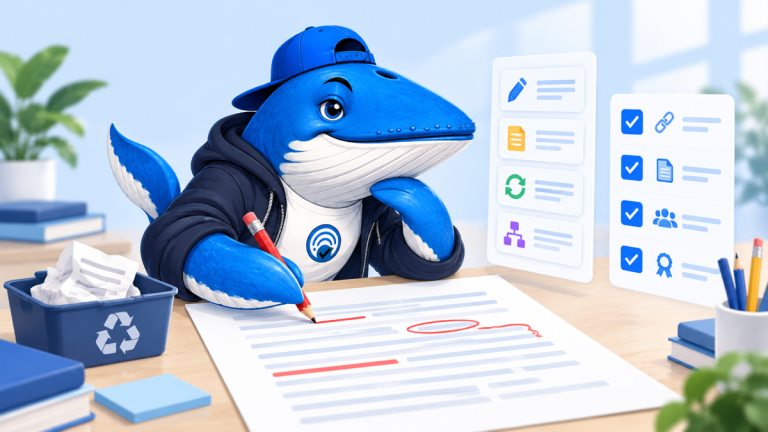
ChatGPT for Word can draft, summarize, revise and format headings. This five-gate workflow keeps sources, information gain and approval under editorial control.

Review Google Ad Manager deal blocks, Claude for Salesforce, an observed AI Mode ad format and Cloudflare indexing for extensionless R2 objects.

Prepare for OpenAI’s planned Enterprise custom GPT transition with the September 17 and 25 milestones, December 11 retirement date and a migration inventory.
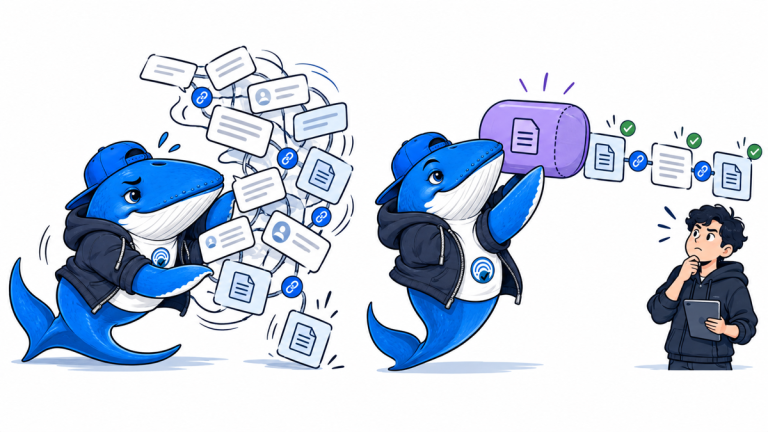
Use a six-case release gate to test whether Claude on-demand compaction preserves source IDs, claim links, contradictions and recent turns.
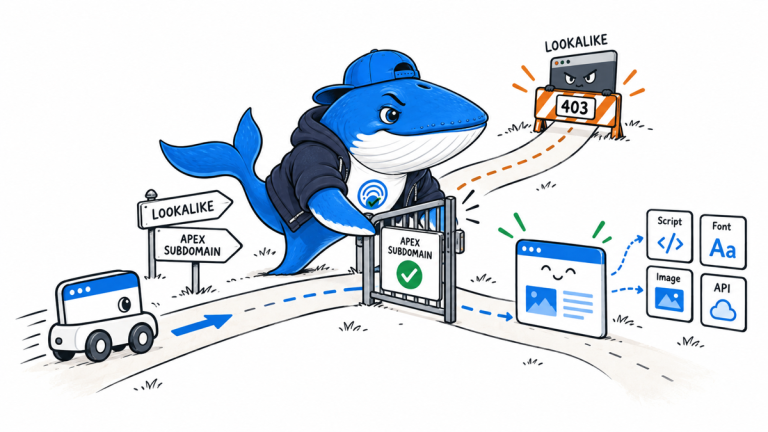
Configure Browser Run hostname guardrails and use Session Recording logs, network HAR and final DOM to explain blocked dependencies.
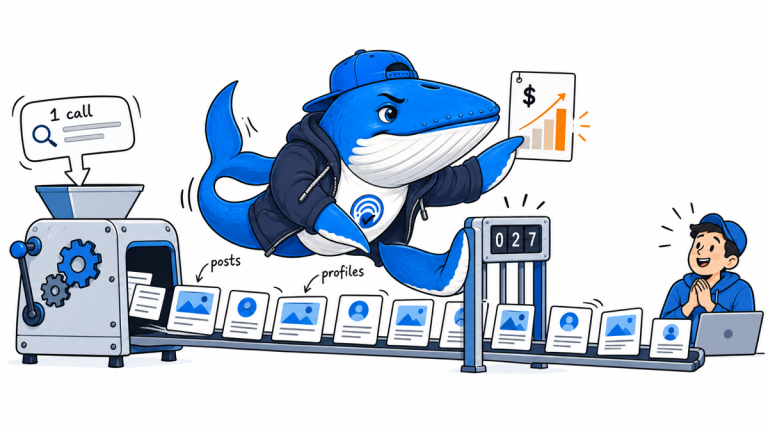
A result-count calculator shows why one X Search call can keep the same listed price or cost twenty times more after the billing unit changes.
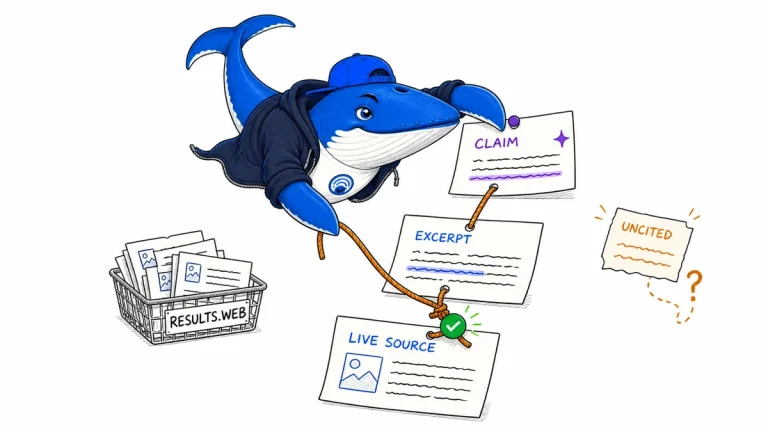
Audit You.com Answer API citations, excerpts, live-source support and uncited claims with a 28-field downloadable claim-source ledger.
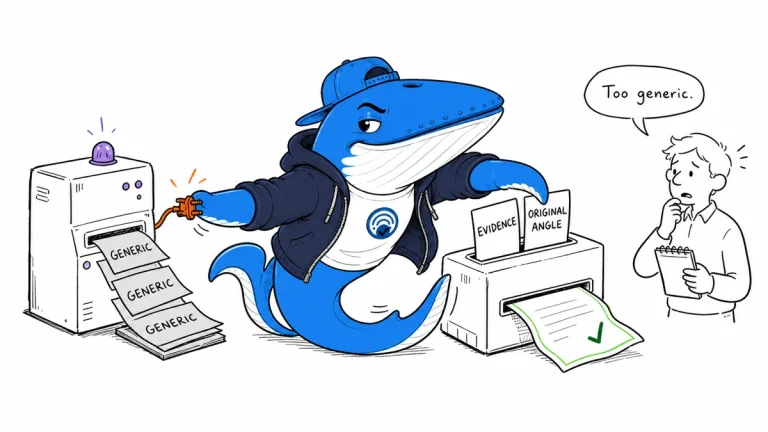
Use AI for content briefs with a defined reader job, verified source packet, evidence ledger, information-gain requirement, scorecard, and skeptical review.
A useful standard
A workflow is useful when another person can inspect what went in, what happened, what failed, and why the result changed a decision.
Preserve the request, configuration, account state, environment, and relevant versions before interpreting the response.
Keep timeouts, empty results, parser errors, retries, and zero-result runs. Removing them hides how the real system behaves.
Use stable internal labels for credentials and redact tokens, personal data, and licensed content that should not enter a report.
References and next steps
The Answer Brief
Get practical SEO and AI-search guidance, new experiments, and the workflows worth keeping.
Unsubscribe anytime. Your inbox stays yours.
Practical, evidence-based answers for earning visibility in search engines and AI answers.
Get the Chrome extension Read the living case study
Independent publication. Sources, corrections, authorship, and commercial relationships are disclosed openly.
Search the publication
Search reporting, guides, research, checklists, and browser tools.
SearchEngineAnswer app
Install the site on your home screen for a focused, standalone reading experience. No app-store account is required.
On iPhone or iPad, open the browser Share menu and choose “Add to Home Screen.” On other devices, use your browser’s Install option when available.
Privacy controls
Required for security, saved controls, and remembering this choice.
No analytics service is currently configured.
No advertising or behavioral targeting is currently configured.