
How to Evaluate an SEO or GEO Tool Without Accepting Its Score as Google Data
Evaluate SEO and GEO scores by their inputs, collection method, freshness, weighting, coverage, validation, and the decision they actually change.
SEO desk
Reporting, guides, and practical analysis about technical SEO, content architecture, site launches, crawling, indexing, and measurement.
From this desk
The featured page offers a strong introduction. The remaining cards help readers move through this editorial section without turning the archive into a service menu.
Read the featured guide
Clear indexing and template blockers before polishing lower-impact details. The audit framework shows the order and the evidence to record.
Latest SEO stories
Browse the archive in publication order. Each article keeps its evidence, examples, limitations, and next action together.
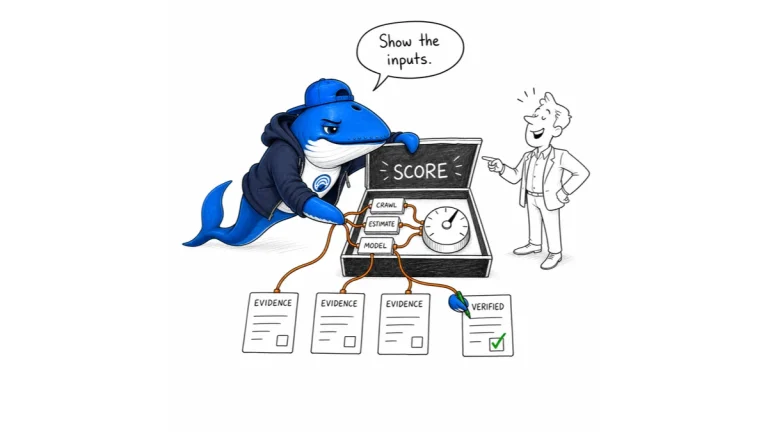
Evaluate SEO and GEO scores by their inputs, collection method, freshness, weighting, coverage, validation, and the decision they actually change.
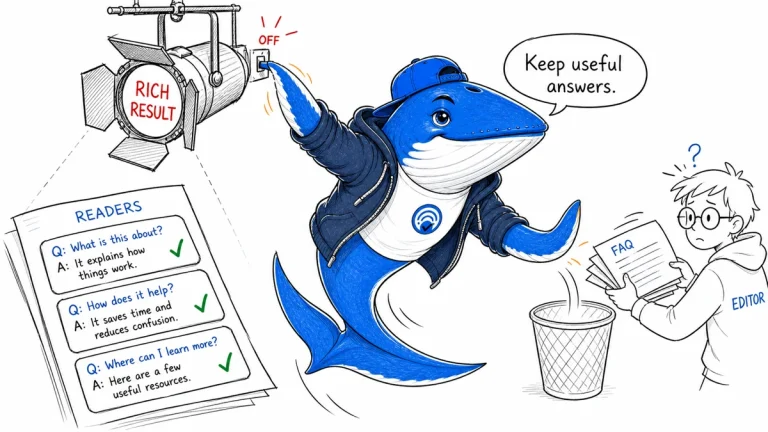
Google ended FAQ rich results. Audit obsolete markup and dependencies, preserve useful reader answers, and annotate the display change before comparing performance.
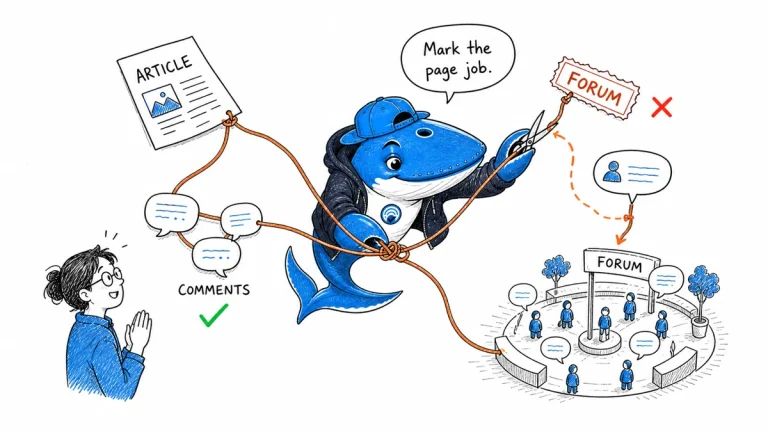
Keep publisher-written pages typed as Article even when they have comments. Use DiscussionForumPosting or QAPage only when the primary visible content fits those page jobs.
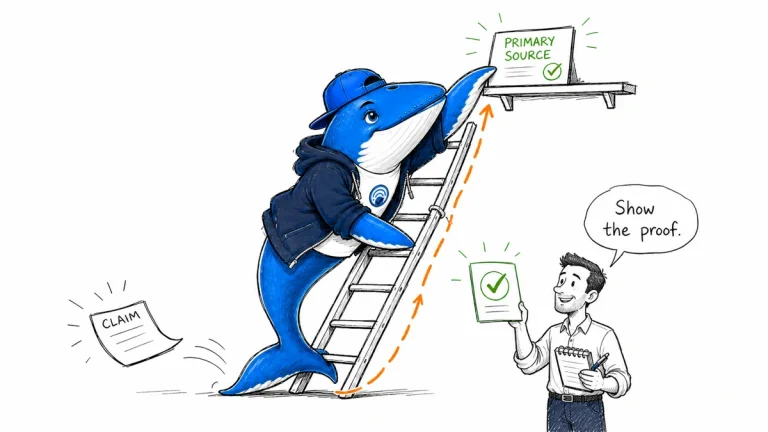
A complete operating guide for defining the reader job, classifying claims, collecting evidence, adding information gain, reviewing skeptically, publishing, and maintaining the page.
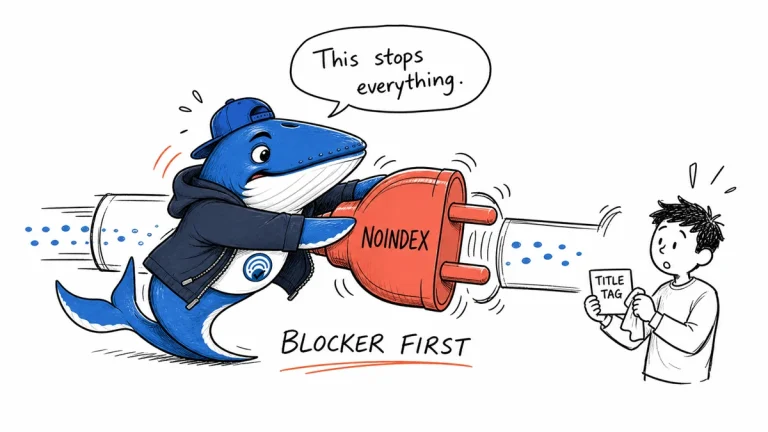
Audit a new website in release order: clear discovery blockers, define page jobs, test representative templates, verify performance and measurement, then resolve every P0 and P1.
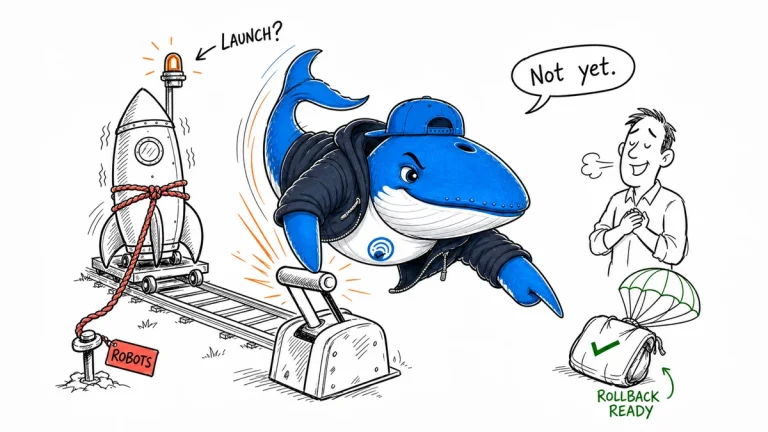
Use seven release gates for new sites and migrations: redirects, robots and canonicals, rendering, metadata, performance, measurement, and rollback.
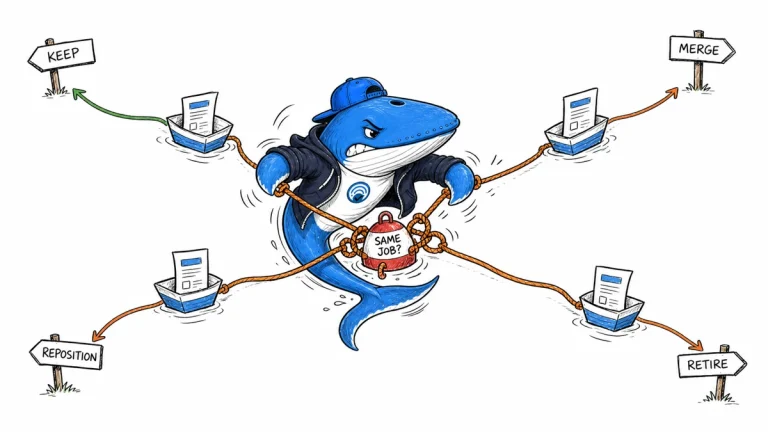
Shared keywords do not prove harmful overlap. Diagnose page jobs, evidence, internal links, and search behavior, then keep, reposition, merge, or retire each URL.
A useful standard
Choose the page that matches the decision in front of you. Each answer distinguishes documented requirements from recommended practice and keeps uncertainty visible.
Resolve crawl, index, rendering, and template failures before spending time on refinements that search systems may never see.
Map each page to a reader decision so internal links, headings, and content depth support a clear purpose.
Treat Search Console, analytics, crawls, and experiments as different evidence sources. None proves causation on its own.
References and next steps
The Answer Brief
Get practical SEO and AI-search guidance, new experiments, and the workflows worth keeping.
Unsubscribe anytime. Your inbox stays yours.
Practical, evidence-based answers for earning visibility in search engines and AI answers.
Get the Chrome extension Read the living case study
Independent publication. Sources, corrections, authorship, and commercial relationships are disclosed openly.
Search the publication
Search reporting, guides, research, checklists, and browser tools.
SearchEngineAnswer app
Install the site on your home screen for a focused, standalone reading experience. No app-store account is required.
On iPhone or iPad, open the browser Share menu and choose “Add to Home Screen.” On other devices, use your browser’s Install option when available.
Privacy controls
Required for security, saved controls, and remembering this choice.
No analytics service is currently configured.
No advertising or behavioral targeting is currently configured.