
Meltwater’s LinkedIn citation study: what the format numbers mean
The May study highlights useful B2B content patterns. Its format percentages describe selected cited content, not your probability of earning a citation.

SearchEngineAnswer
Founder & Editor · SEO Champion
SEO Champion | Google News, Google Discover & AI Search Expert | Founder of MustHave.ai, Abdessalam.ai & SearchEngineAnswer.com
Experience: Google News, Google Discover, and AI Search specialist; founder of MustHave.ai, Abdessalam.ai, and SearchEngineAnswer.com.
Research, guides & workflows
Evidence-led articles for publishers, marketers, founders, and SEO practitioners who need a clear decision—not another pile of terminology.
The May study highlights useful B2B content patterns. Its format percentages describe selected cited content, not your probability of earning a citation.
A 20-day vendor study tracks citation losses and returns. A fictional seven-day example shows why reports need explicit denominators and separate outcome labels.
Semrush tracked 2,850 partner pieces about its own brand. The findings describe a vendor sample and do not prove that affiliate links cause AI citations.
New analytics and access policies identify supported personal agents. Publishers still need to verify account permissions and the authority behind each action.
The November pilot will cover selected U.S. schools. Education publishers should distinguish it from the separate global Google Classroom launch.
Google targets 2027 support for a shared training preference. Publishers can audit existing controls now; the announcement is not a deployment guide.
A DACH-region study reports citation associations across 96,418 URLs. Its findings do not establish that copying page features causes citation gains.
A 400-keyword U.S. desktop panel shows rising AI Overview coverage. The historical study does not measure all commercial searches or lost clicks.
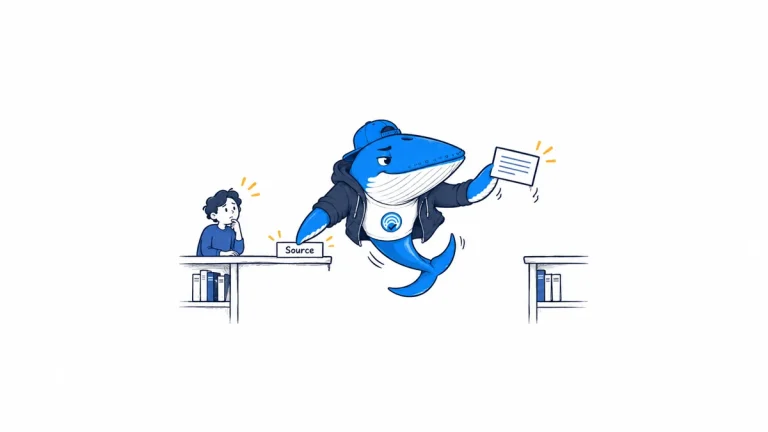
A controlled study examines synthetic pages in information gaps. Its 31% aggregate includes source-list appearances, not only claims repeated in answers.
How the work is produced
SearchEngineAnswer separates documented facts from interpretation, shows important limits, and keeps meaningful corrections visible.
Current primary documentation is preferred for material facts and product behavior.
Recommendations include their scope, uncertainty, tradeoffs, and known limitations.
Each page aims to add a framework, test, checklist, tool, or example readers can use.
The Answer Brief
Get practical SEO and AI-search guidance, new experiments, and the workflows worth keeping.
Unsubscribe anytime. Your inbox stays yours.
Practical, evidence-based answers for earning visibility in search engines and AI answers.
Add us as a preferred source on GoogleGet the Chrome extension Read the living case study
Independent publication. Sources, corrections, authorship, and commercial relationships are disclosed openly.
Search the publication
Search reporting, guides, research, checklists, and tool profiles.
SearchEngineAnswer app
Install the site on your home screen for a focused, standalone reading experience. No app-store account is required.
On iPhone or iPad, open the browser Share menu and choose “Add to Home Screen.” On other devices, use your browser’s Install option when available.
Privacy controls
Required for security, saved controls, and remembering this choice.
Analytics and advertising use separate Google consent controls when available. These site preferences do not change Google consent.