
A Semrush panel tracks AI Overview growth across commercial searches
A 400-keyword U.S. desktop panel shows rising AI Overview coverage. The historical study does not measure all commercial searches or lost clicks.
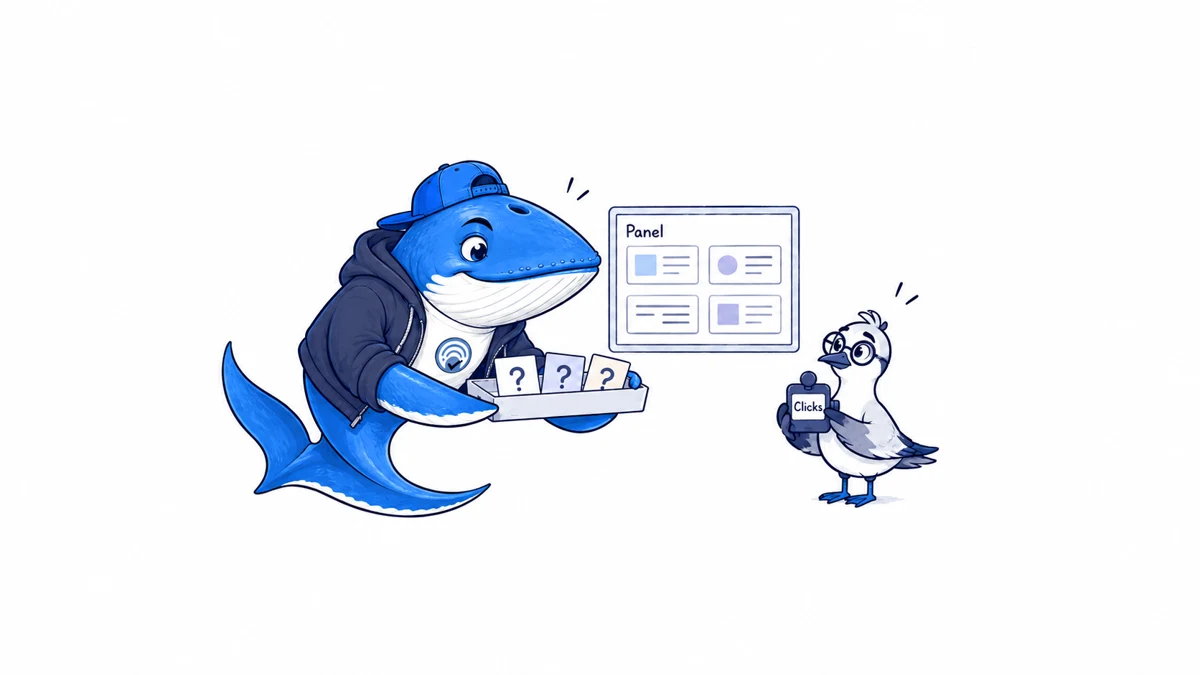
Commercial queries deserve a fresh look at the results page before a team assumes how many visits a pricing, review, or comparison page can earn. A recently published Semrush study follows a fixed keyword panel and reports an increase in AI Overview presence over its observation window.
The October 21 study tracks 400 selected U.S. desktop keywords from September 2025 through August 2026. Keyword-weighted AI Overview coverage rises from 45.75% to 88%. The panel covers banking, ecommerce and software across five commercial modifier groups. These are historical observations published in October, not measurements taken this week.
Keep the panel separate from the wider market
A keyword-weighted share gives every keyword equal weight. It does not tell you what share of all searches, people, or revenue encountered an AI Overview. A panel can help you spot a pattern worth inspecting without representing every country, device, or commercial task.
For a fictional software publisher, “Orchid pricing” and “Orchid alternatives” may lead to different pages and different reader decisions. Treating both as one commercial keyword bucket can hide the problem that needs attention. Start by mapping each query to the page that actually helps the reader finish that task.
| Query job | Page to inspect | Evidence to preserve |
|---|---|---|
| Check a price | Current pricing explanation | Displayed result, date, device and correct destination |
| Compare alternatives | A comparison that answers the stated criteria | Visible sources, competing options and scope of the answer |
Record the result feature and the visit separately
On the date of an authorized inspection, record whether an AI Overview appears, whether the relevant page is included as a source, and where the ordinary result sits. Keep the query and environment with that observation. A later inspection may show a different result, so one screenshot should not become a permanent ranking claim.
Then review the page’s own Search Console and analytics evidence over a declared period. Result presence, source inclusion, clicks, and sessions are different measurements. A change in one does not establish a change in the others without corresponding records. This proposed workflow has not been run by SearchEngineAnswer for this article.
What this study can support
The study is vendor-authored observational research. Its sample and U.S. desktop scope limit generalization. The reported coverage does not measure click loss or prove that a content change will increase citations. Use it to choose a question for your own audit, rather than to forecast a traffic decline from the panel percentage.
The branded-search study examines a different sample. Keep its figures separate from this commercial panel. The AI SEO guide explains the broader workflow, while the measurement crosswalk helps prevent a visibility count from being reported as a visit. The practical next step is to inspect the query and page pair that matters to a real commercial decision.
Keep learning
Continue this topic
Audit citations
Locate the failing answer layer
Compare evidence
Separate mentions, citations and visits
Measure referrals
Check AI search visits in GA4
SEO
Ask a question or join the discussion