
AI Overview Click Study: What the 1% Means
A 900-person US browsing study observed fewer result clicks and more session endings when AI Overviews appeared. Here is the denominator, study design, and limit behind the 1% source-click figure.
Publication archive
Browse SearchEngineAnswer reporting, analysis, guides, research, checklists, and practical workflows in publication order.
From this desk
The featured page offers a strong introduction. The remaining cards help readers move through this editorial section without turning the archive into a service menu.
Start with the editorial guide
Use the subject desks for focused browsing, or continue to the complete chronological archive below.
Complete archive
Open a story for its complete evidence, examples, limitations, author information, and reader discussion.
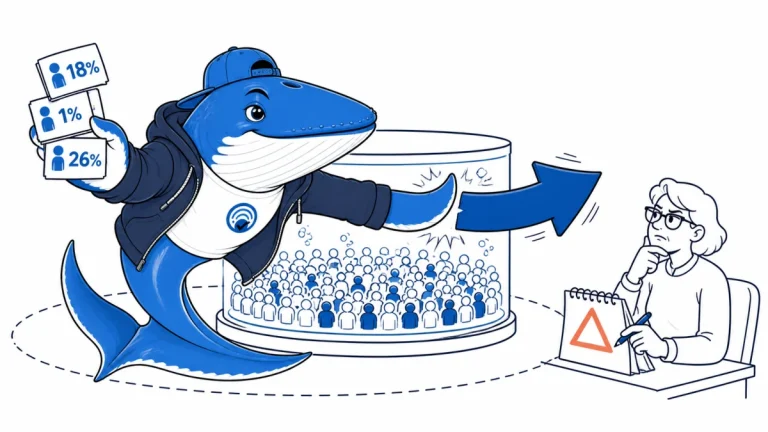
A 900-person US browsing study observed fewer result clicks and more session endings when AI Overviews appeared. Here is the denominator, study design, and limit behind the 1% source-click figure.
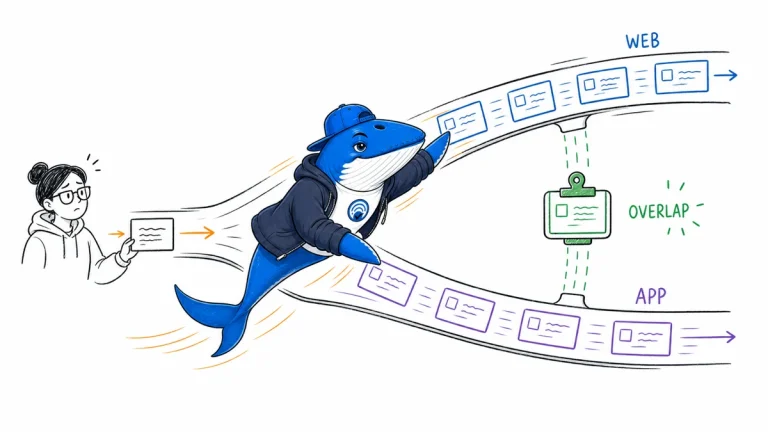
Measure web/app citation drift with paired prompts, repeated runs, preserved URLs, overlap distributions, answer-use labels, change control, and a reusable observation ledger.
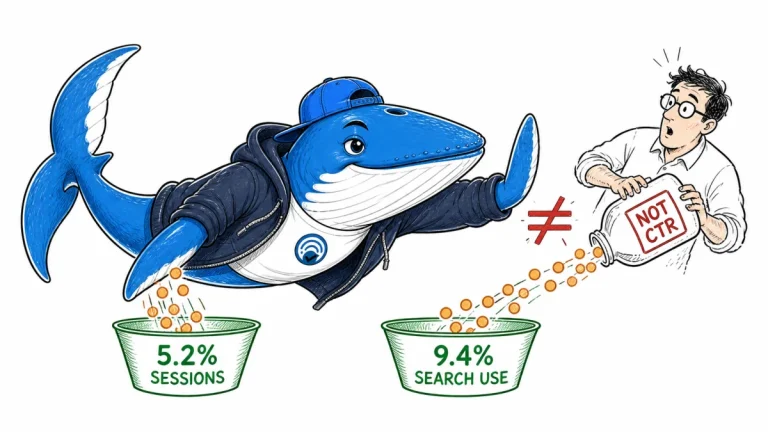
A 2026 U.S. desktop study separates ChatGPT’s session-level outbound-click rate from an estimated 9.4% reduction in traditional search use.
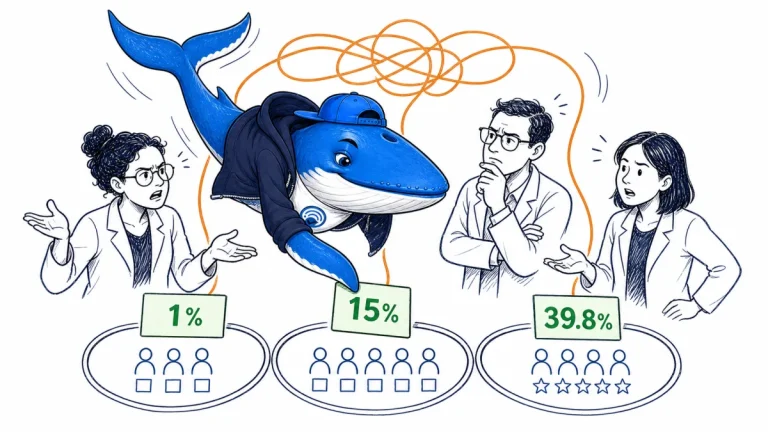
Three prominent 2026 findings use different samples, treatments and outcomes. Here is the denominator-safe comparison.
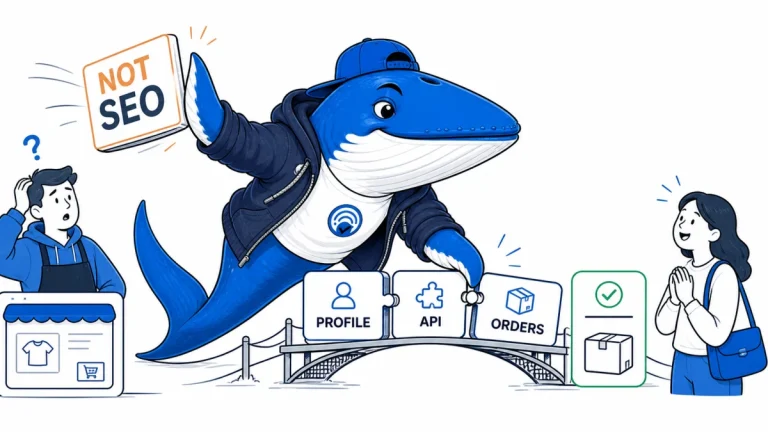
Universal Commerce Protocol is an early-access checkout integration for eligible AI Mode and Gemini experiences—not a ranking shortcut.
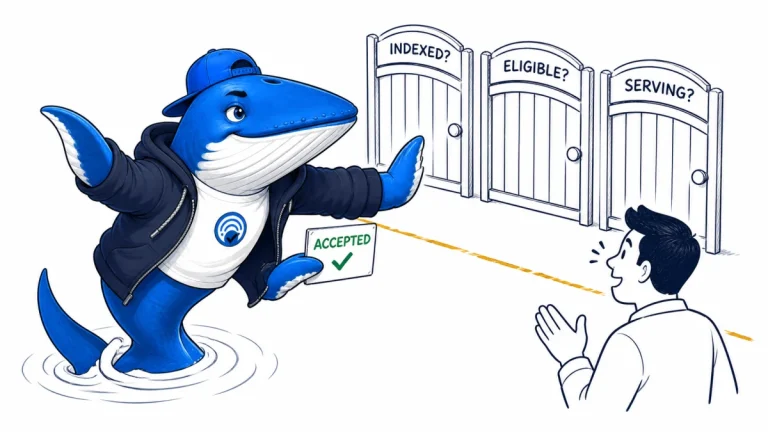
An accepted Delta Feed update has entered processing; indexing, eligibility and serving remain separate states to reconcile.
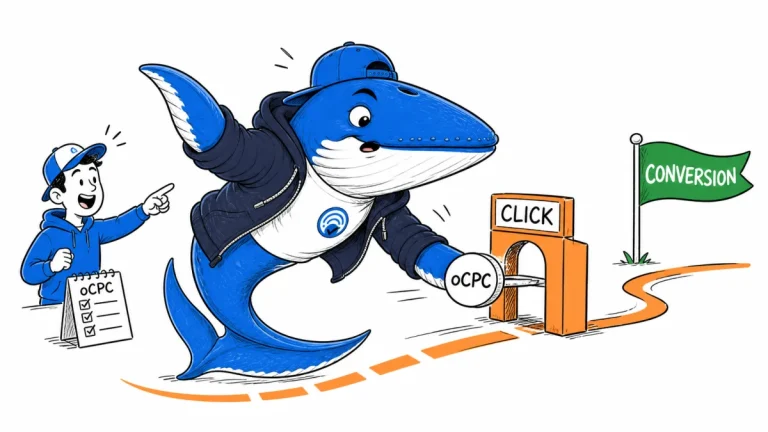
OpenAI’s oCPC beta optimizes toward one standard conversion event, but advertisers still pay for valid clicks.
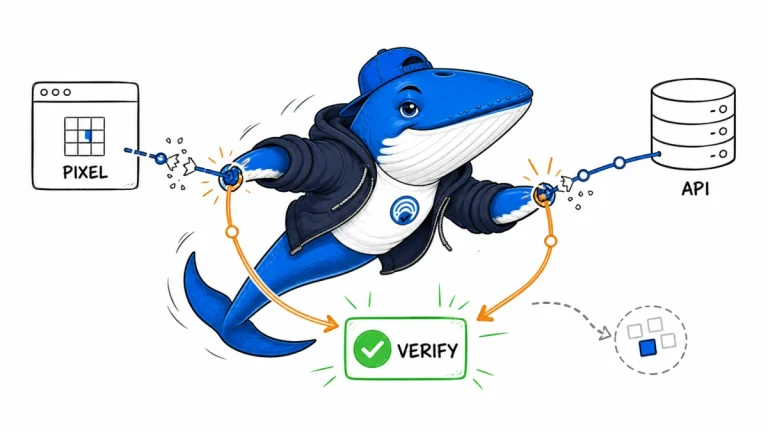
Compare OpenAI’s browser pixel and server-side Conversions API by reliability, consent, deduplication, view-through attribution and release QA.
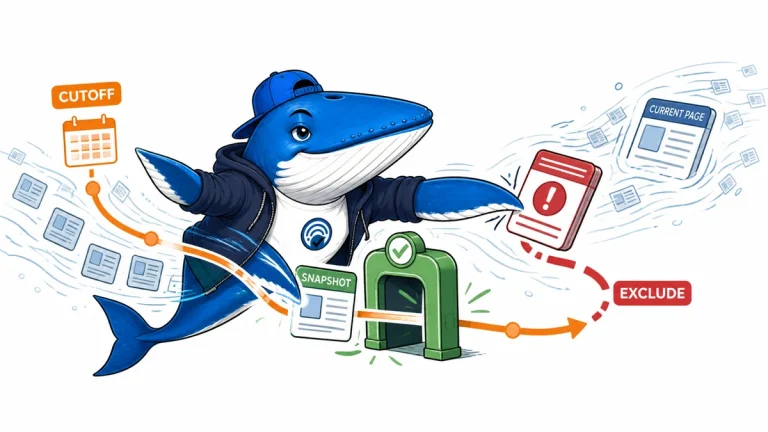
Use date-filtered search to find candidates, then inspect snapshots, page updates, related modules, metadata conflicts and leakage severity before admitting evidence.
A useful standard
SearchEngineAnswer is an independent publication. Stories should help a reader understand what changed, what the evidence supports, and what to do next.
A story should answer a focused question or support a concrete decision rather than merely announce a topic.
Material facts stay close to current primary documentation, reproducible evidence, or clearly attributed reporting.
Meaningful changes, uncertainty, corrections, and publication dates remain visible so readers can judge freshness.
References and next steps
The Answer Brief
Get practical SEO and AI-search guidance, new experiments, and the workflows worth keeping.
Unsubscribe anytime. Your inbox stays yours.
Practical, evidence-based answers for earning visibility in search engines and AI answers.
Get the Chrome extension Read the living case study
Independent publication. Sources, corrections, authorship, and commercial relationships are disclosed openly.
Search the publication
Search reporting, guides, research, checklists, and browser tools.
SearchEngineAnswer app
Install the site on your home screen for a focused, standalone reading experience. No app-store account is required.
On iPhone or iPad, open the browser Share menu and choose “Add to Home Screen.” On other devices, use your browser’s Install option when available.
Privacy controls
Required for security, saved controls, and remembering this choice.
No analytics service is currently configured.
No advertising or behavioral targeting is currently configured.