
Cloudflare Crawl-to-Referral Ratios: A Defensible Audit Method
Interpret Cloudflare crawl-to-referral ratios with corrected product chronology, raw counts, zero-denominator rules, classification evidence, policy controls, and a reusable ledger.
Research desk
Original tests, case studies, datasets, and evidence reviews with inspectable methods, results, and limitations.
From this desk
The featured page offers a strong introduction. The remaining cards help readers move through this editorial section without turning the archive into a service menu.
Read the flagship case study
This first-person build record connects publishing decisions with indexing evidence, Search Console observations, limitations, and the next measurement window.
Latest research
Each research article identifies the question, evidence, method, result, limitation, and boundary on what can be inferred.

Interpret Cloudflare crawl-to-referral ratios with corrected product chronology, raw counts, zero-denominator rules, classification evidence, policy controls, and a reusable ledger.
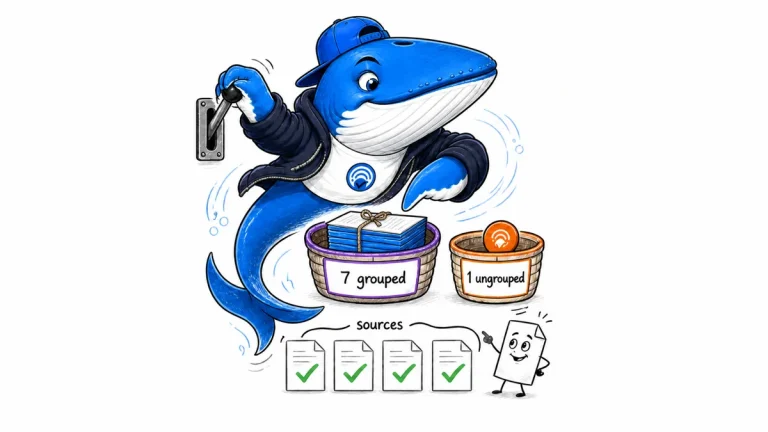
In one US-English desktop run, Bing grouped seven of eight image queries. See the exact labels, source-panel behavior, negative case, and study limits.
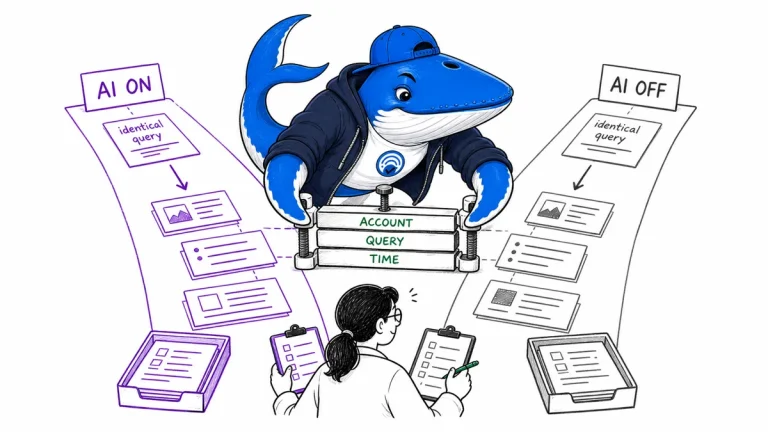
Compare Kagi AI-on and AI-off search through paired queries, fixed account settings, randomized order, separate result layers, transparent limitations and a reusable ledger.
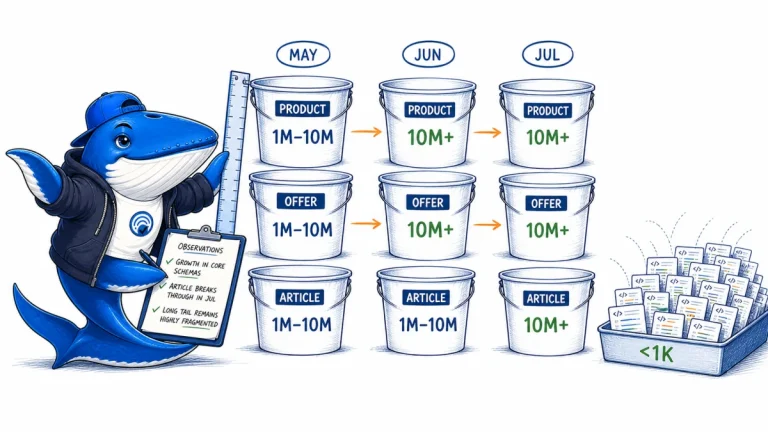
Official May–July data shows Product and Offer entering the 10M+ domain bucket in June and Article entering it in July, with important coverage limits.
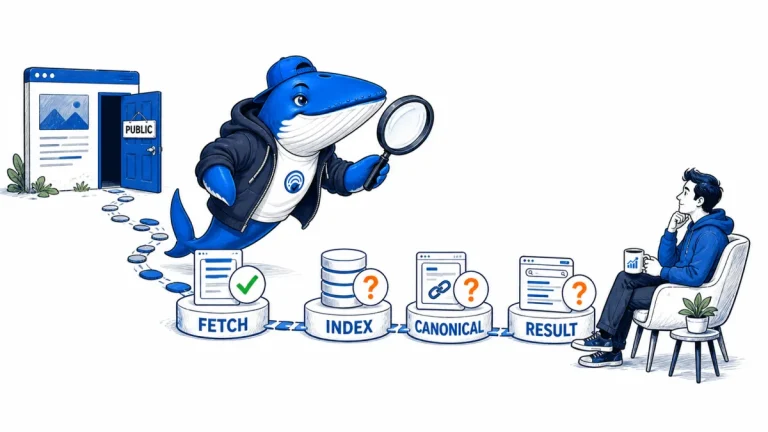
OpenAI allows eligible users to publish ChatGPT Sites publicly, but public access is not proof of indexability. Use this controlled technical audit before reporting results.
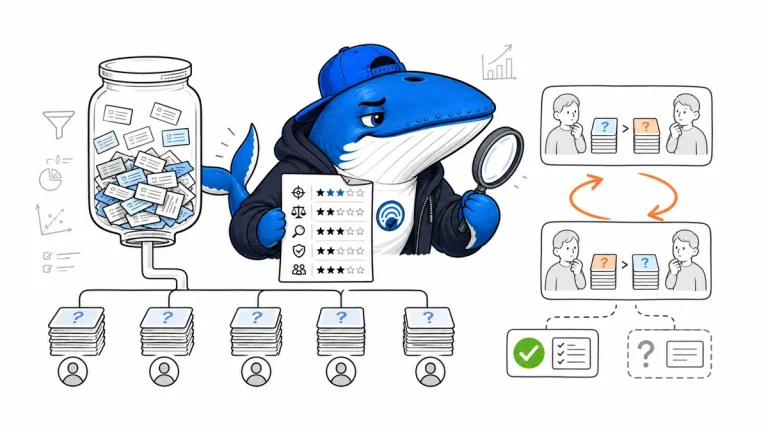
Audit Brave’s 1,500-query AI answer comparison by examining query sampling, interface parity, LLM judges, pairwise order, ownership, and replication.

A dated audit of IndexNow’s public participant registry, linked metadata, and the difference between being listed and receiving real-time URL notifications.

A reproducible client matrix shows Node rejecting oversized response headers before HTML while curl still succeeds, even though the server returns HTTP 200.
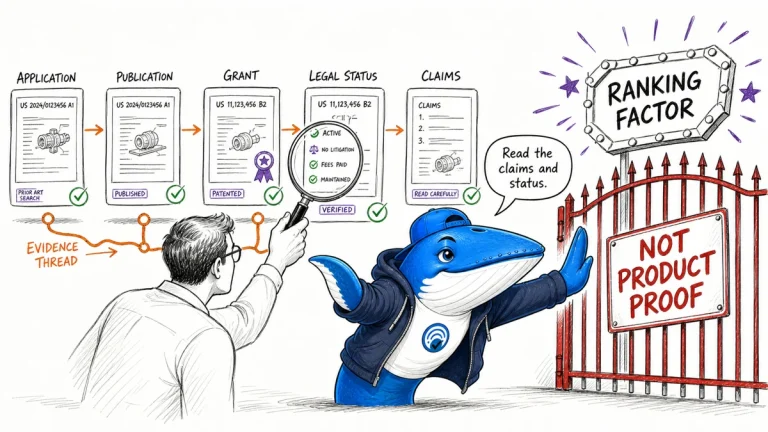
Trace a search patent’s identity, family, legal status, claims, specification, and external implementation evidence before making a product or ranking claim.
A useful standard
A useful study makes its conditions visible. Treat each result as evidence within a declared sample and environment, not as a universal platform rule.
The question, inputs, environment, measures, and stopping rule should be understandable before the result is interpreted.
Timeouts, absent results, rejected cases, and contradictory observations are data, not material to hide.
A measured association or one platform observation does not automatically establish causation or a permanent ranking rule.
References and next steps
The Answer Brief
Get practical SEO and AI-search guidance, new experiments, and the workflows worth keeping.
Unsubscribe anytime. Your inbox stays yours.
Practical, evidence-based answers for earning visibility in search engines and AI answers.
Get the Chrome extension Read the living case study
Independent publication. Sources, corrections, authorship, and commercial relationships are disclosed openly.
Search the publication
Search reporting, guides, research, checklists, and browser tools.
SearchEngineAnswer app
Install the site on your home screen for a focused, standalone reading experience. No app-store account is required.
On iPhone or iPad, open the browser Share menu and choose “Add to Home Screen.” On other devices, use your browser’s Install option when available.
Privacy controls
Required for security, saved controls, and remembering this choice.
No analytics service is currently configured.
No advertising or behavioral targeting is currently configured.