The featured page offers a strong introduction. The remaining cards help readers move through this editorial section without turning the archive into a service menu.
Start with the editorial guide
Choose the desk that matches your question
Use the subject desks for focused browsing, or continue to the complete chronological archive below.
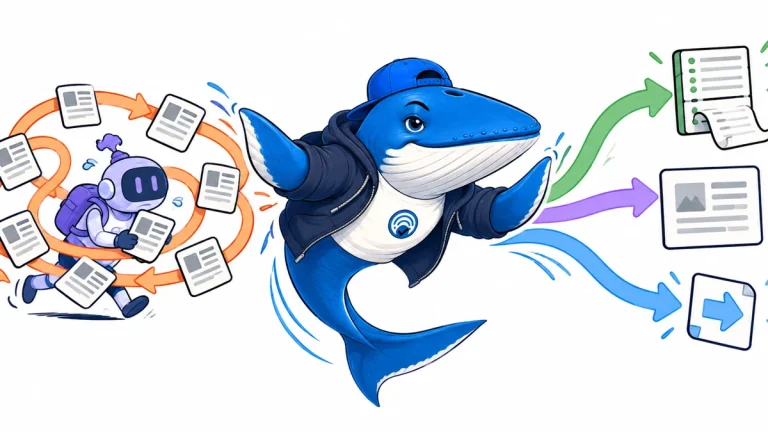
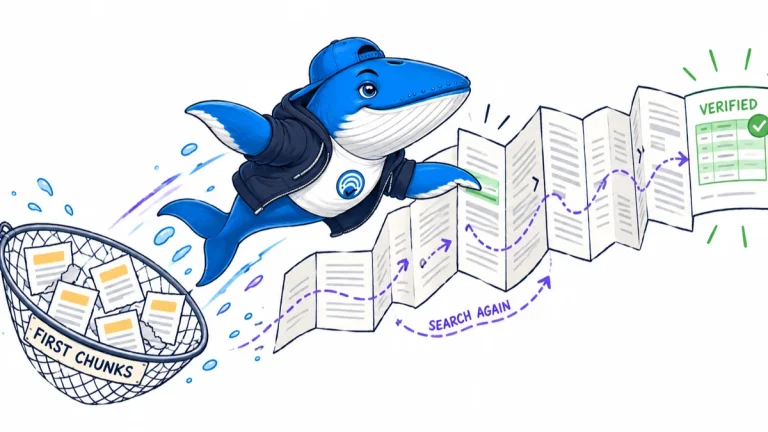
OpenAI’s Agents API now combines long-running web search with an OpenAI-hosted browser. Publishers can measure server events and outcomes without assuming a crawler identity.
OpenAI’s Data agent can work across approved warehouses, files and BI tools while applying a team’s metric definitions and access rules. That changes where SEO reporting errors can be caught.
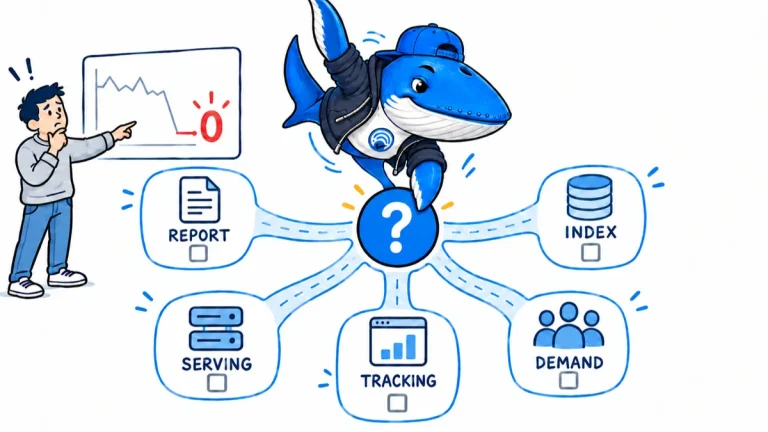
Several site owners reported sudden zeroes in Bing Webmaster data after August 31. No official incident was found, so diagnosis must separate five possible failure paths.
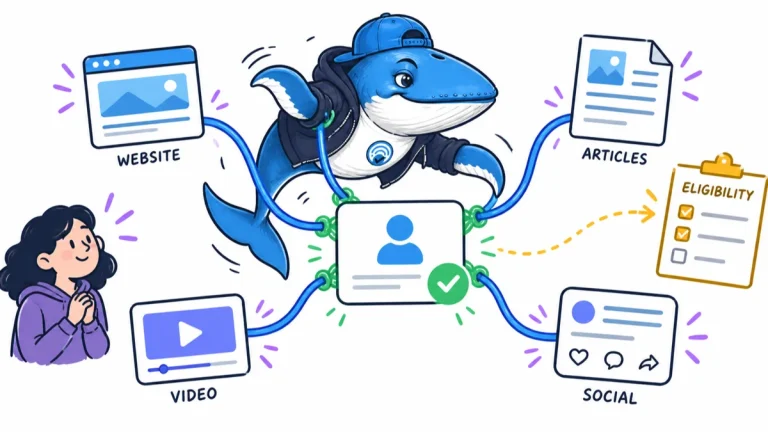
Google Search profiles can gather a publisher’s articles, videos and social posts and add a follow action. Initial eligibility and control remain limited.
Mistral’s agentic retrieval layer can search, open, navigate, read and grep across ingested documents. Its benchmark claims are promising but vendor-reported.
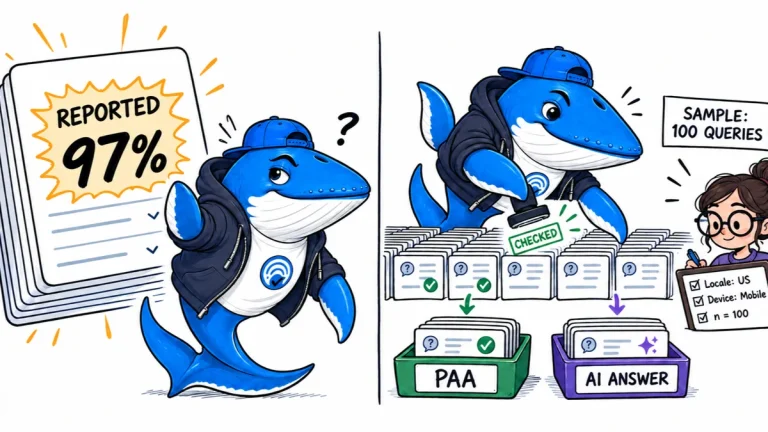
A third-party report says AI-generated People Also Ask answers reached 97% of its English-language sample. Here is what the number can support and how to audit it.
Interpret Merchant Center AI share of voice, stage and product signals, then test optional conversational attributes without confusing visibility with revenue.
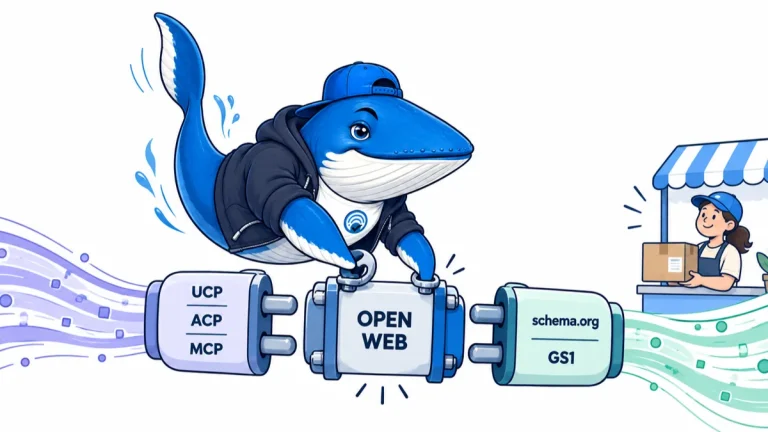
The W3C commerce workshop exposed a stack, not one standard: transaction protocols, product data, identity, consent, payment and trust still need to interoperate.
A useful standard
What every story should make clear
SearchEngineAnswer is an independent publication. Stories should help a reader understand what changed, what the evidence supports, and what to do next.
The reader job is explicit
A story should answer a focused question or support a concrete decision rather than merely announce a topic.
Sources remain inspectable
Material facts stay close to current primary documentation, reproducible evidence, or clearly attributed reporting.
Updates retain context
Meaningful changes, uncertainty, corrections, and publication dates remain visible so readers can judge freshness.