
13.4 Billion Web Questions Show FAQ Frequency Is Not Search Demand
The most repeated questions on the web increasingly come from templates and commerce pages. Publishers need behavioral demand evidence before creating another FAQ.

SearchEngineAnswer
Founder & Editor · SEO Champion
SEO Champion | Google News, Google Discover & AI Search Expert | Founder of MustHave.ai, Abdessalam.ai & SearchEngineAnswer.com
Experience: Google News, Google Discover, and AI Search specialist; founder of MustHave.ai, Abdessalam.ai, and SearchEngineAnswer.com.
Research, guides & workflows
Evidence-led articles for publishers, marketers, founders, and SEO practitioners who need a clear decision—not another pile of terminology.

The most repeated questions on the web increasingly come from templates and commerce pages. Publishers need behavioral demand evidence before creating another FAQ.
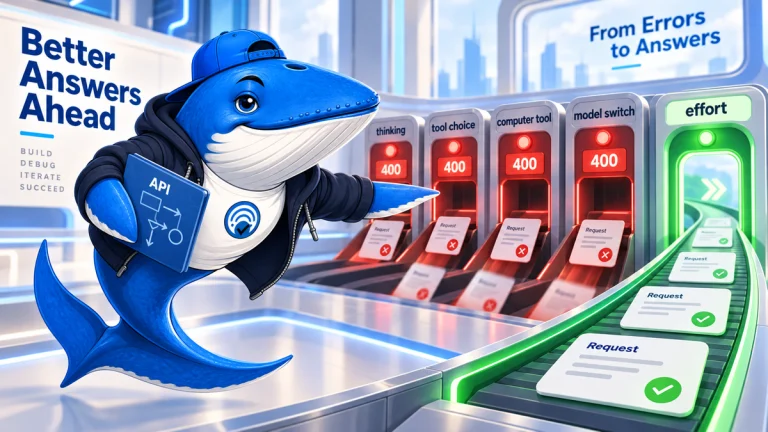
Claude 5.5 changes thinking and tool-use behavior, while Sonnet 4.5 retires on November 30, 2026. Use this migration calendar to inventory, test, canary and remove the old model ID.
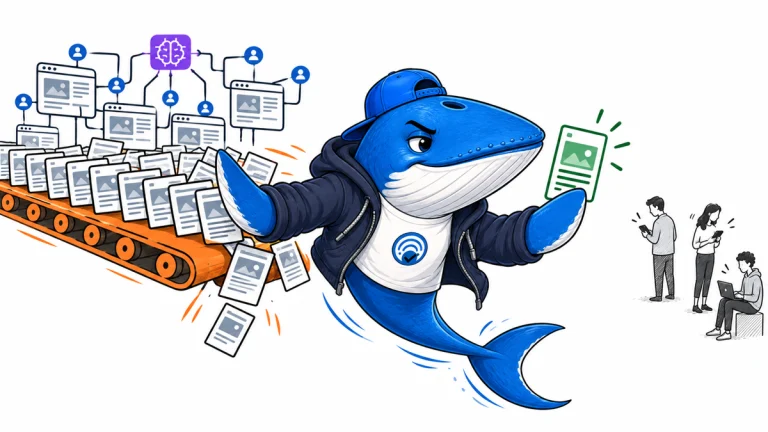
Anthropic documented a coordinated network of fabricated news sites, paired social accounts and rigid publishing constraints. The useful lesson is the network footprint, not a guess about whether one paragraph sounds AI-written.
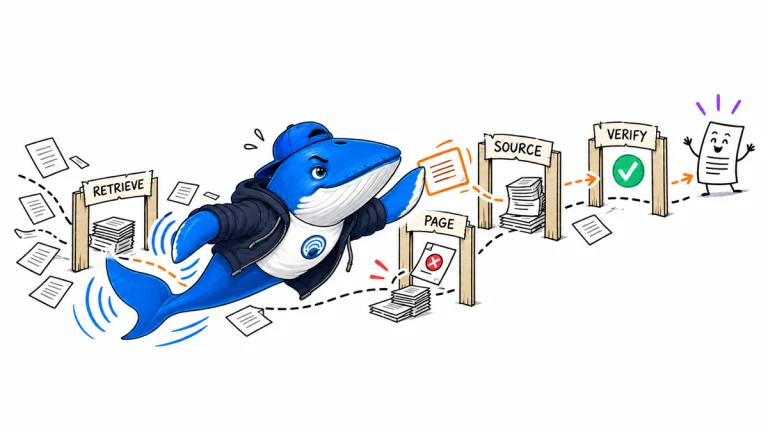
Four recent papers expose separate failure points between retrieval and a trustworthy AI citation. SearchEngineAnswer reproduced PageRecall’s public tier-0 checks and built a claim-level audit ledger.
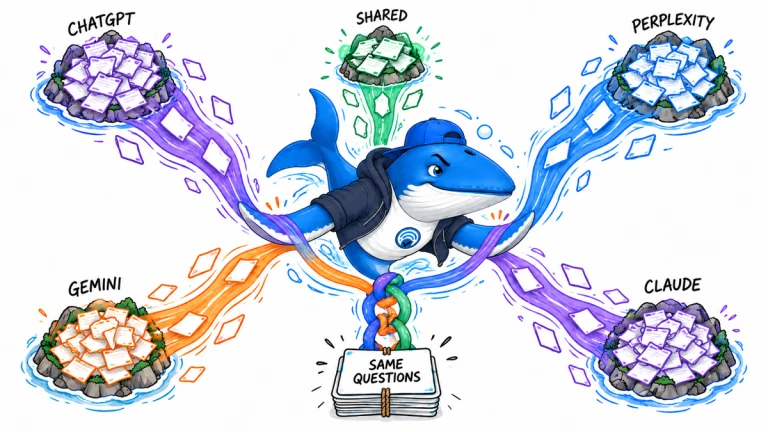
A 960-answer experiment and a separate B2B panel show why AI citations vary by engine, prompt type and measurement unit. Their percentages should not be pooled.
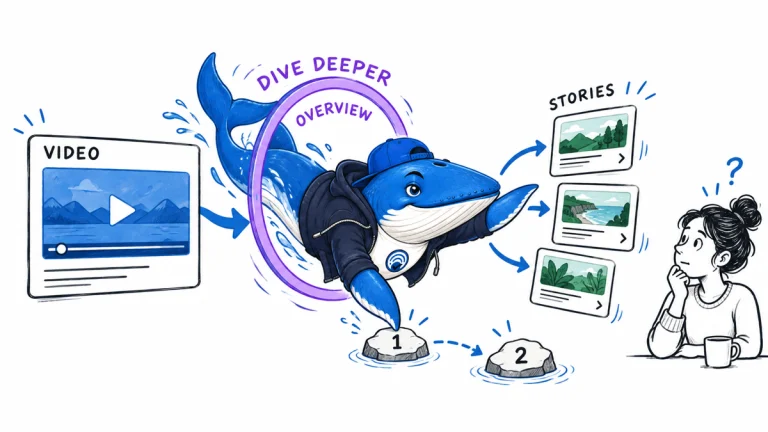
The limited Discover experiment adds a topic overview between some video cards and related web stories. Its effect on publisher clicks remains unmeasured.
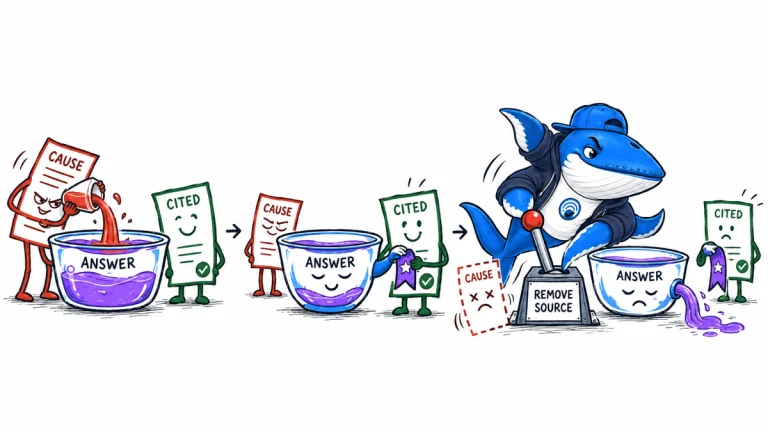
A multi-source RAG attack made incorrect answers cite trusted evidence. Source-deletion tests reveal which document actually drove the claim.
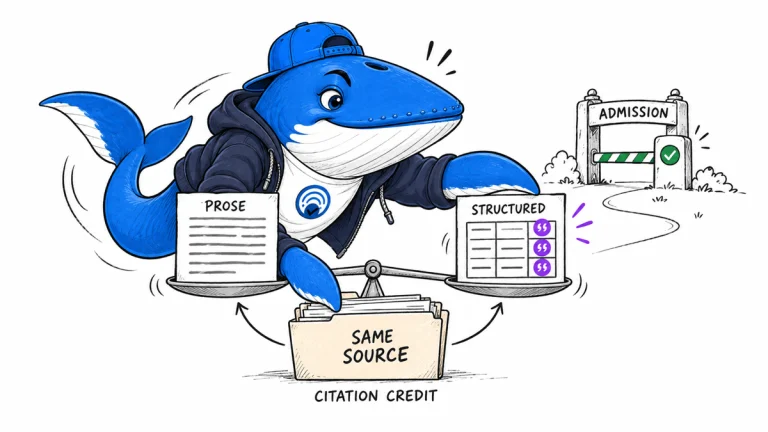
A causal replay found that structured rendering increased citation count, while its effect on whether a source was cited at all remained inconclusive.
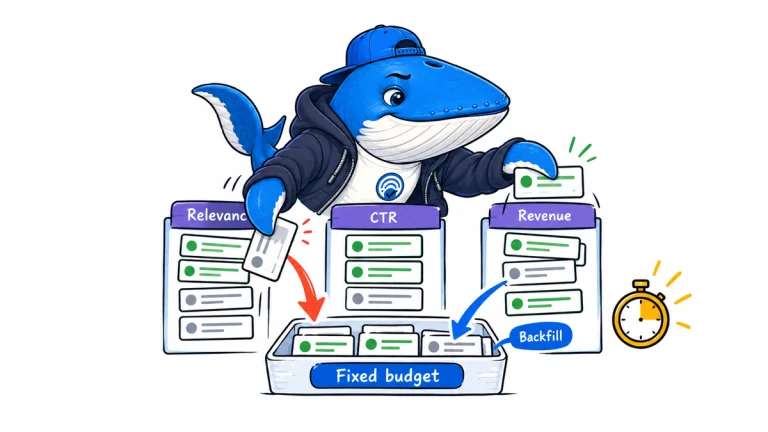
A Meituan paper reports a seven-day test of objective-specific generative ad retrieval, with separate relevance, click and commercial policies.
How the work is produced
SearchEngineAnswer separates documented facts from interpretation, shows important limits, and keeps meaningful corrections visible.
Current primary documentation is preferred for material facts and product behavior.
Recommendations include their scope, uncertainty, tradeoffs, and known limitations.
Each page aims to add a framework, test, checklist, tool, or example readers can use.
The Answer Brief
Get practical SEO and AI-search guidance, new experiments, and the workflows worth keeping.
Unsubscribe anytime. Your inbox stays yours.
Practical, evidence-based answers for earning visibility in search engines and AI answers.
Add us as a preferred source on GoogleGet the Chrome extension Read the living case study
Independent publication. Sources, corrections, authorship, and commercial relationships are disclosed openly.
Search the publication
Search reporting, guides, research, checklists, and tool profiles.
SearchEngineAnswer app
Install the site on your home screen for a focused, standalone reading experience. No app-store account is required.
On iPhone or iPad, open the browser Share menu and choose “Add to Home Screen.” On other devices, use your browser’s Install option when available.
Privacy controls
Required for security, saved controls, and remembering this choice.
Analytics and advertising use separate Google consent controls when available. These site preferences do not change Google consent.