The featured page offers a strong introduction. The remaining cards help readers move through this editorial section without turning the archive into a service menu.
Start with the editorial guide
Choose the desk that matches your question
Use the subject desks for focused browsing, or continue to the complete chronological archive below.
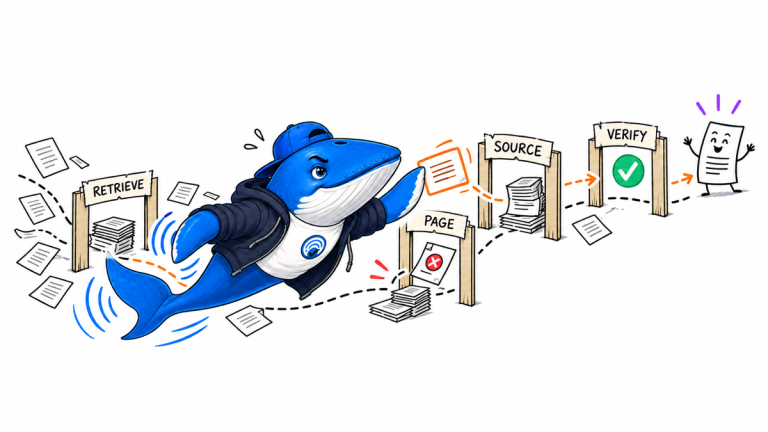
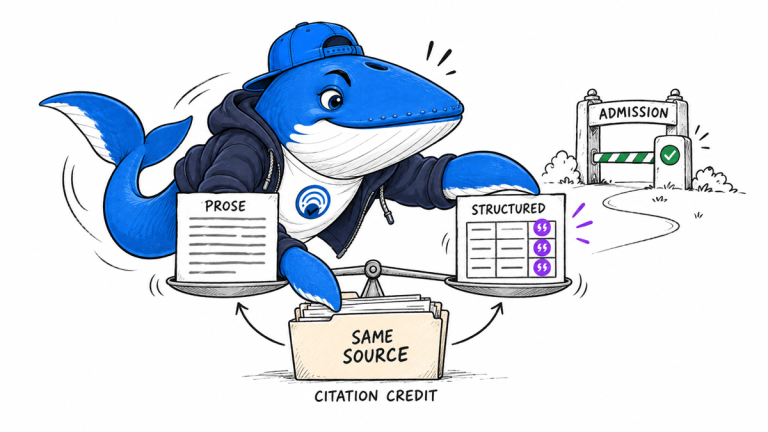
Four recent papers expose separate failure points between retrieval and a trustworthy AI citation. SearchEngineAnswer reproduced PageRecall’s public tier-0 checks and built a claim-level audit ledger.
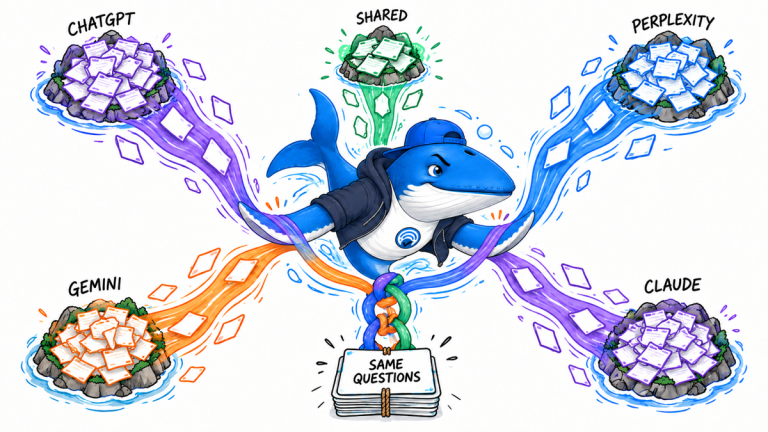
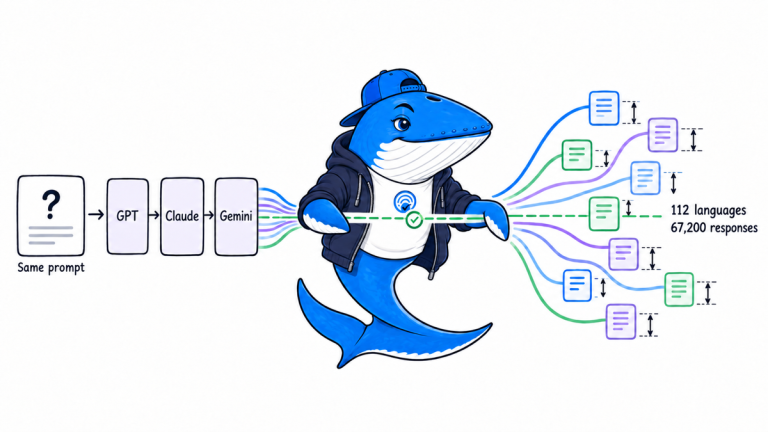
A 960-answer experiment and a separate B2B panel show why AI citations vary by engine, prompt type and measurement unit. Their percentages should not be pooled.
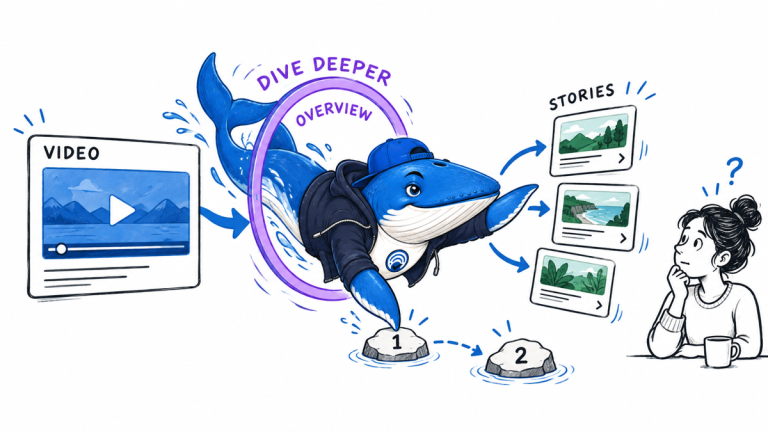
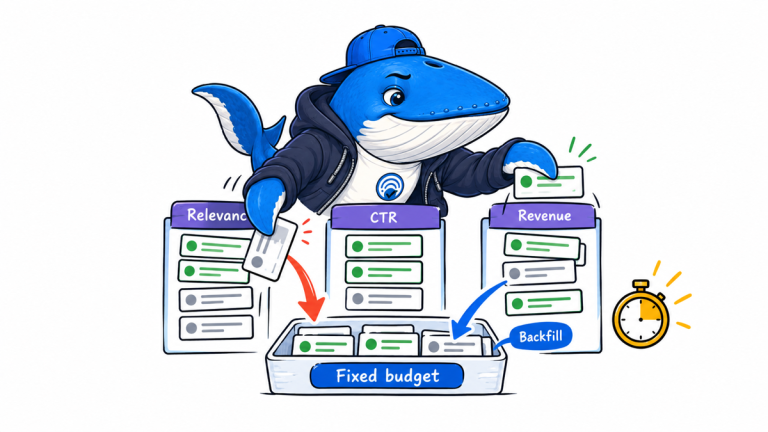
The limited Discover experiment adds a topic overview between some video cards and related web stories. Its effect on publisher clicks remains unmeasured.
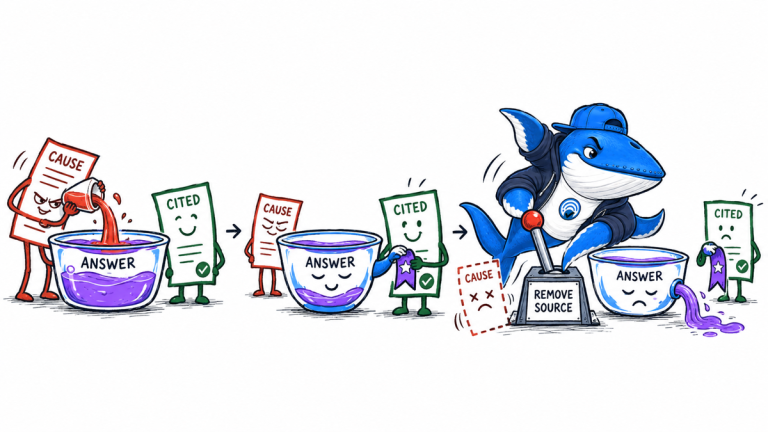
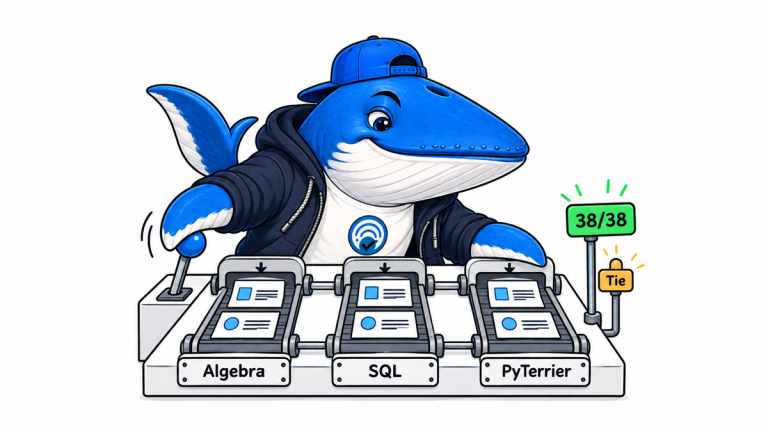
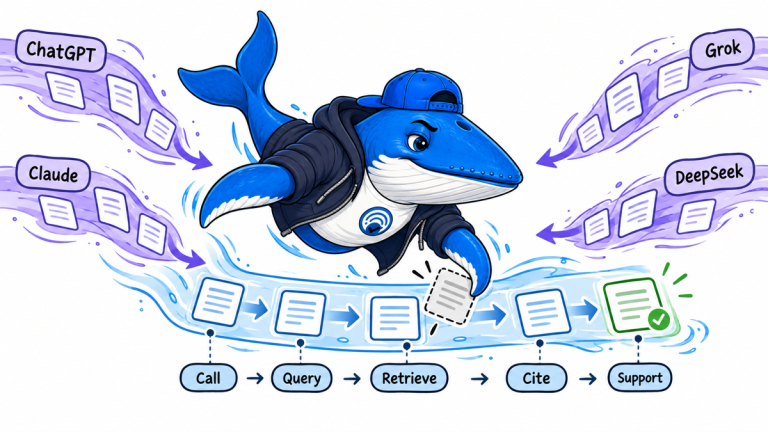
A 171,264-conversation study shows that four AI platforms differ at every search stage, from deciding to browse through selecting citations.
A useful standard
What every story should make clear
SearchEngineAnswer is an independent publication. Stories should help a reader understand what changed, what the evidence supports, and what to do next.
The reader job is explicit
A story should answer a focused question or support a concrete decision rather than merely announce a topic.
Sources remain inspectable
Material facts stay close to current primary documentation, reproducible evidence, or clearly attributed reporting.
Updates retain context
Meaningful changes, uncertainty, corrections, and publication dates remain visible so readers can judge freshness.