
Semrush study examines affiliate content cited in AI answers
Semrush tracked 2,850 partner pieces about its own brand. The findings describe a vendor sample and do not prove that affiliate links cause AI citations.
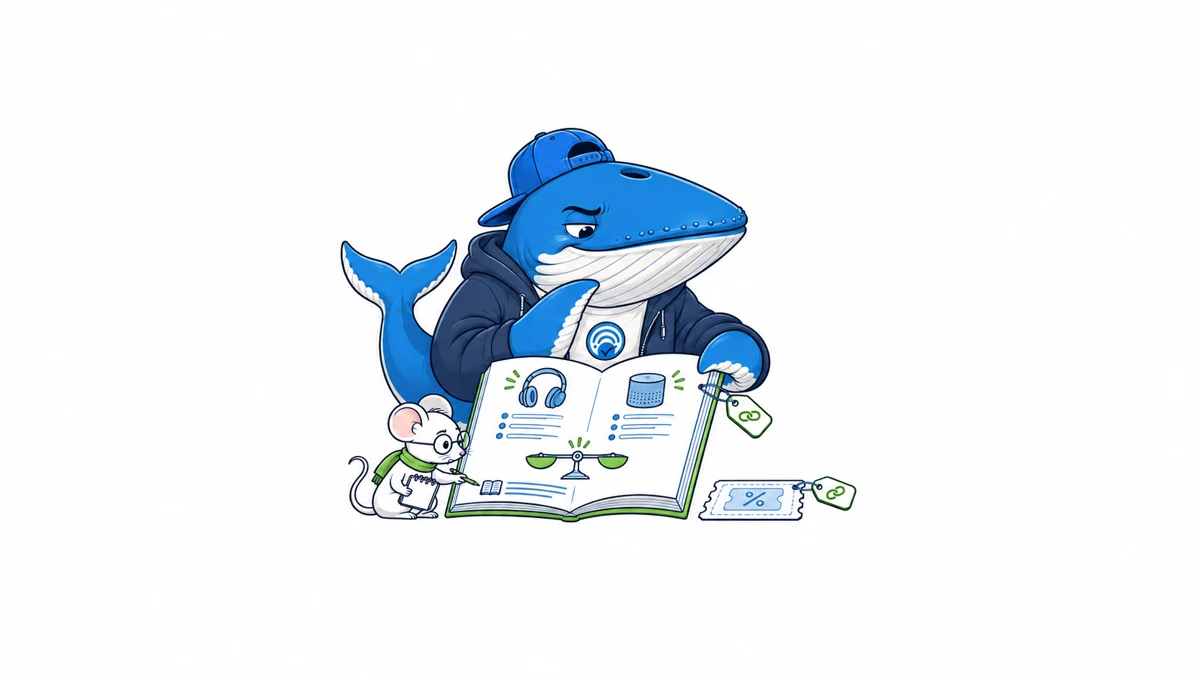
Semrush reports that about 22% of 2,850 partner pieces about its own brand appeared in at least one AI answer in its tracking sample. The finding offers a reason to examine useful third-party coverage. It does not establish that an affiliate payment or link caused a page to be cited.
The November 3 article covers observations from September 14 to October 7, 2026. Semrush also describes reading 302 cited web pages and 283 cited videos. Keep those reviewed subsets separate from the full set of partner pieces when interpreting the findings.
A partner relationship and a useful explanation are different things
Imagine two fictional pages about the same software product. One provides a discount link. The other compares tasks the product handles, explains its limitations, and shows when an alternative is a better fit. Their commercial relationship could be identical, while their usefulness to a reader could differ substantially.
That example doesn’t show why an AI system chose either page. It does identify questions an editor can answer without guessing: Are the product facts current? Is the comparison fair? Can a reader tell how the author reached the recommendation? Is the commercial relationship clear?
An affiliate disclosure should remain visible when it applies. This study gives no basis for asking a partner to remove a disclosure or alter a link attribute to pursue AI visibility. Accurate sourcing and an honest explanation of the relationship serve the reader regardless of whether an AI system cites the page.
Read the percentage within its monitoring setup
The sample concerns one company’s affiliate program. It is observational, and Semrush sells the monitoring tools used in the analysis. The published result is not a representative citation rate for every industry, brand, language, or type of commercial query.
The article reports both an aggregate citation share and platform-level rates, but it does not fully explain how to reconcile those figures. Do not combine the percentages into a new cross-platform estimate. A stronger comparison would need consistent denominators, a defined prompt set, collection conditions, and a clear account of how each piece entered the sample.
Use the study to choose a review, not promise a result
For a proposed partner-content review, choose a small set of pages and assess their factual accuracy and reader value before looking at citation status. Preserve the query, platform, date, and source URL for any citation observation. Repeat the observation over a declared period so a one-off appearance does not become a claim of lasting visibility.
SearchEngineAnswer has not reproduced this study or measured an affiliate campaign’s citation results. The evidence-led publishing guide helps structure a documented review, while the measurement crosswalk distinguishes a citation from a brand mention or a visit. The practical next step is to find where a partner page needs a clearer, better-supported answer.
Keep learning
Continue this topic
Audit citations
Locate the failing answer layer
Compare evidence
Separate mentions, citations and visits
Measure referrals
Check AI search visits in GA4
Research
Ask a question or join the discussion