
Cloudflare adds personal-agent controls: what publishers should check
New analytics and access policies identify supported personal agents. Publishers still need to verify account permissions and the authority behind each action.
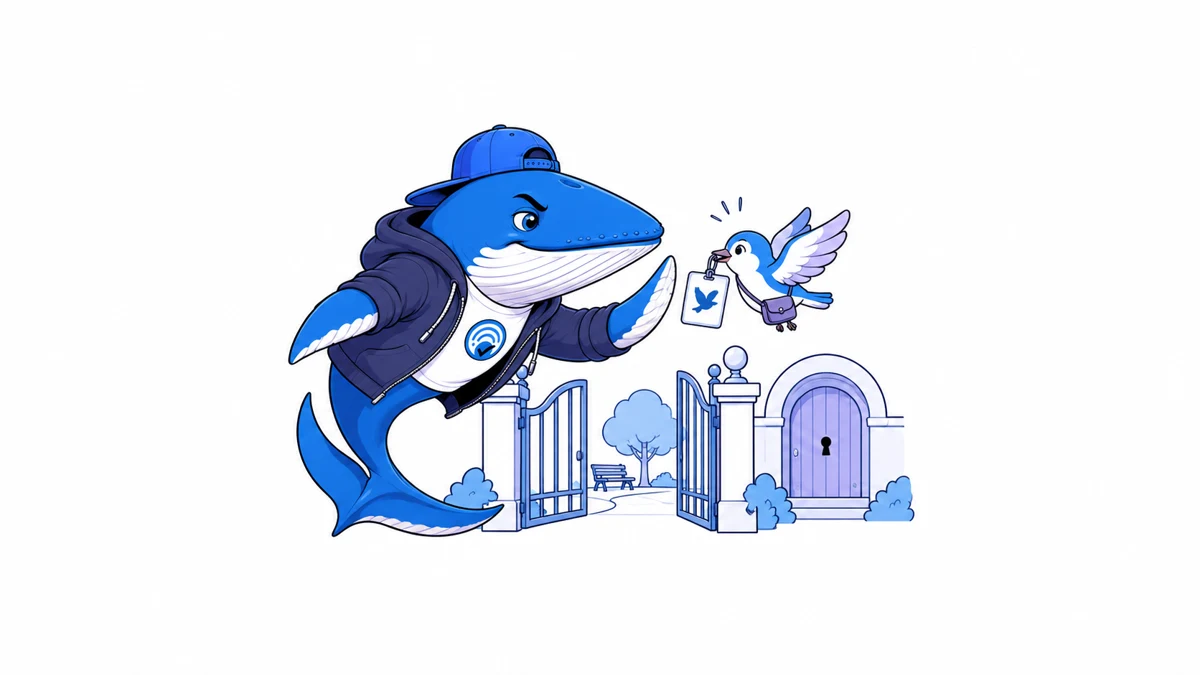
Cloudflare has announced new ways for website owners to identify personal-agent traffic and set access policies for supported agents. Publishers should review those controls alongside their existing account permissions: recognizing an agent does not establish what a particular user has authorized it to do.
The November 4 announcement describes a Personal Assistants category in Security Analytics, request details for individual agents, and additional policy choices. The setting is now called AI Crawler and Agent access policies. Supported personal agents can have different choices under the overall Agents policy, including Allow (do not block), Block on pages with ads, and Block.
Check which evidence the feature provides
Cloudflare separately describes account-level views through Account Abuse Protection, which is in early access. Do not assume that every site has those views or that all agent products are supported. Confirm the features and plan available to your account before following an implementation guide.
A request count can show that a classified agent reached a path. It cannot, on its own, show whether the user has a subscription, approved an account change, or completed a purchase. A publisher needs evidence from the relevant application before drawing those conclusions.
Separate a public visit from a permitted action
Consider a fictional publication with free articles, paid reports, and an account-management page. An agent could legitimately read a public article while having no permission to download a paid report or change an email address. One broad allow rule should not replace the checks that distinguish those tasks.
| Requested task | What to check |
|---|---|
| Read a free article | Whether the public request succeeds under the intended access policy |
| Open a paid report | Whether the account is authenticated and entitled to that report |
| Change account details | Whether the application verifies the user’s authority for the specific change |
This example is a review framework, not a Cloudflare configuration or a test of its enforcement. Record the request path, resulting status, relevant policy, and application outcome without publishing account identifiers. Keep an unchanged comparison case so you can spot an unintended block after a policy revision.
The broader delegation question is still open
Cloudflare’s November 5 discussion examines how remotely hosted agents can obscure the relationship between a website and its users. It argues for better identity, reputation, and accountability mechanisms. It should not be presented as proof that a universal delegation system has already been implemented.
The verified-bot behavior guide explains why classification needs context. Use the publisher bot-policy framework to document the intended access before changing a rule. SearchEngineAnswer reviewed the announcements but has not tested these new controls or measured their effect on visits, citations, or conversions.
Keep learning
Continue this topic
Next in this topic
Meltwater’s LinkedIn citation study: what the format numbers mean
Earlier in this topic
Google plans Guided Learning pilot in Search for U.S. schools
AEO & AI Search
Ask a question or join the discussion