
A SISTRIX study links page features with citations, with limits on causality
A DACH-region study reports citation associations across 96,418 URLs. Its findings do not establish that copying page features causes citation gains.
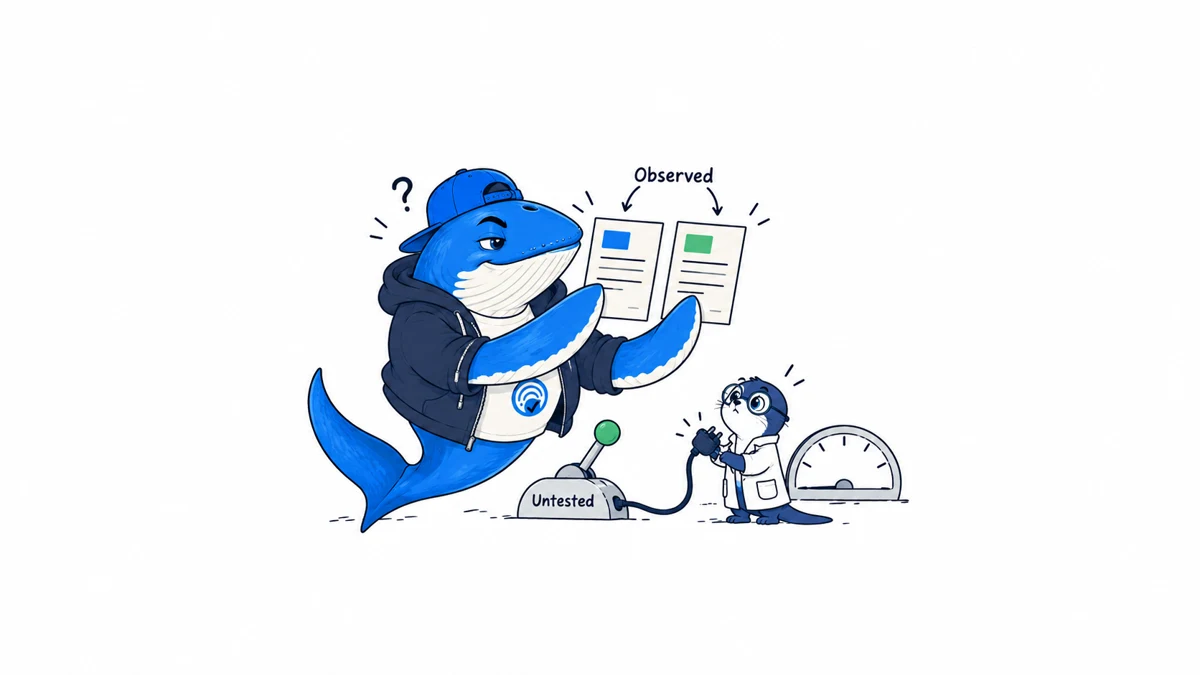
A page feature can be associated with AI citations without being the reason a page was cited. That distinction is the useful starting point for reading SISTRIX’s new analysis, particularly before turning its findings into a template-wide editing project.
The October 22 study reports 96,418 URLs from 17,380 domains, using DACH-region AI Index data from Q2 2026. It examines page features and citations from ChatGPT, AI Mode, and AI Overviews. SISTRIX sells SEO and visibility tools; the analysis is observational vendor research.
A comparison within a domain still leaves questions
The method describes comparing cited pages with non-cited pages on the same domain. That helps constrain one source of variation, but it does not make two pages equivalent. Their questions, usefulness, age, and audience can differ. A feature may accompany the kind of page a system needs without causing that system to choose it.
Imagine two fictional guides from the same publisher. One answers a broad, frequently asked question and contains a table of contents. The other is a short notice about a resolved outage. If the first receives more citations, adding navigation to the outage notice would not make the two reader jobs comparable. A useful edit has to answer a real problem on the page.
Separate an observed feature from a proposed intervention
| Proposed change | Reader benefit to verify | Evidence still needed |
|---|---|---|
| Add navigation | Readers can locate a long guide’s sections | Whether the change affects citations under a defined observation plan |
| Show an update date | The date reflects a meaningful content revision | Whether newer evidence changes the answer |
| Add structured data | The markup accurately describes visible content | Eligibility and observed behavior for the relevant surface |
These are editorial review questions, not a claim that the changes produced a measured gain. Keep markup that serves a valid technical purpose even when a study finds a weak citation association. Equally, do not add irrelevant FAQs, extra headings, or filler solely to resemble the cited pages.
Read the sample and statistical language carefully
SISTRIX identifies the reported factors as odds ratios and marks title and H1 findings as retrospective. Its method also names 48,527 cited URLs while reporting 96,418 total URLs. The opened article does not fully explain how matching or deduplication reconciles those counts. Treat the total as author-reported rather than reconstructing a perfectly balanced pair count.
The source limits its conclusions to the observed region and systems. Those boundaries matter when using the findings to prioritize work elsewhere. A large sample can improve precision within a design while leaving the design’s coverage and confounding questions unresolved.
SearchEngineAnswer reviewed the published method and did not access the underlying dataset or reproduce the analysis. The llms.txt guide covers a separate technical question. The evidence-led publishing guide and AI SEO overview provide a practical review sequence: identify the reader problem, make a justified improvement, and keep any later citation observation separate from the reason the edit was made.
Keep learning
Continue this topic
Audit citations
Locate the failing answer layer
Compare evidence
Separate mentions, citations and visits
Measure referrals
Check AI search visits in GA4
Research
Ask a question or join the discussion