
Claude On-Demand Compaction Needs a Citation-Retention Test
Use a six-case release gate to test whether Claude on-demand compaction preserves source IDs, claim links, contradictions and recent turns.

SearchEngineAnswer
Founder & Editor · SEO Champion
SEO Champion | Google News, Google Discover & AI Search Expert | Founder of MustHave.ai, Abdessalam.ai & SearchEngineAnswer.com
Experience: Google News, Google Discover, and AI Search specialist; founder of MustHave.ai, Abdessalam.ai, and SearchEngineAnswer.com.
Research, guides & workflows
Evidence-led articles for publishers, marketers, founders, and SEO practitioners who need a clear decision—not another pile of terminology.
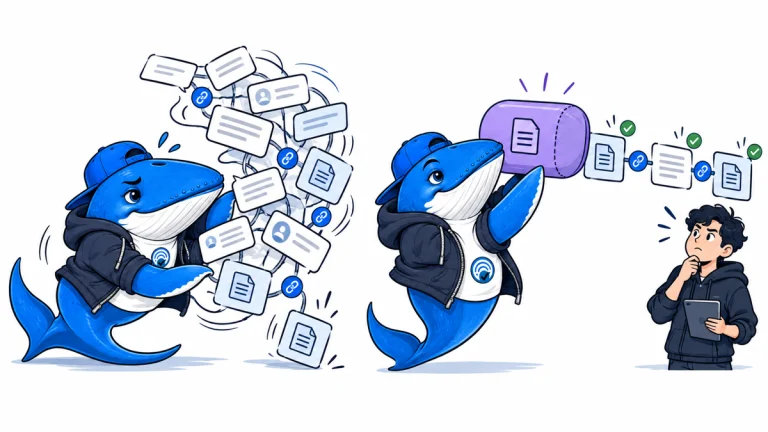
Use a six-case release gate to test whether Claude on-demand compaction preserves source IDs, claim links, contradictions and recent turns.

A 190-million-document benchmark shows why retrieval recall, unique evidence coverage and downstream citations must be measured separately.
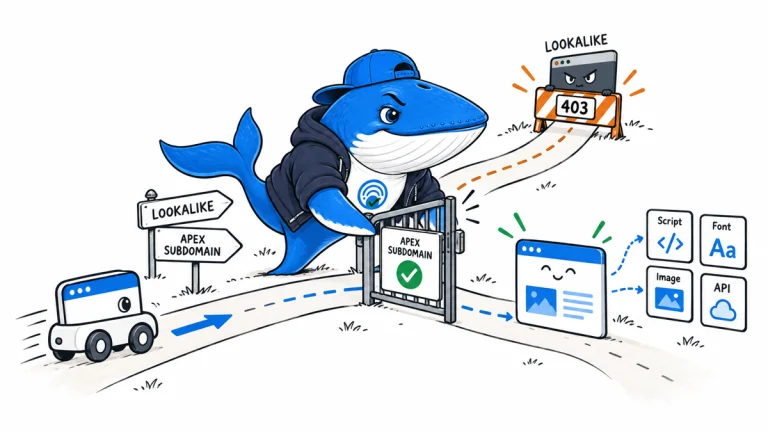
Configure Browser Run hostname guardrails and use Session Recording logs, network HAR and final DOM to explain blocked dependencies.
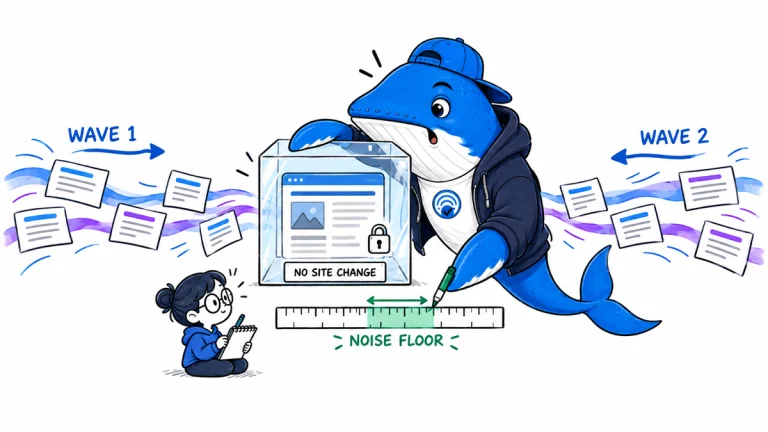
A 1,200-observation research protocol for measuring how AI mentions, recommendations, and citations move when the monitored site does not change.
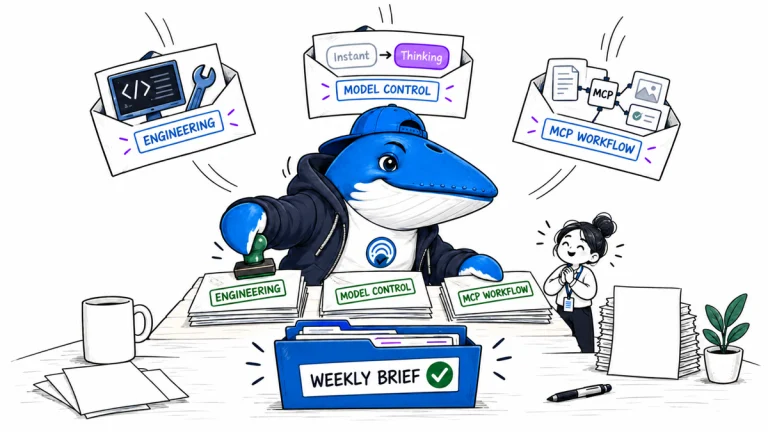
A source-led briefing on September search and AI changes, now including Cloudflare agent payments, Shopify AI checkout, OpenAI hosted browsing, Perplexity Fast Search and Claude retirement.
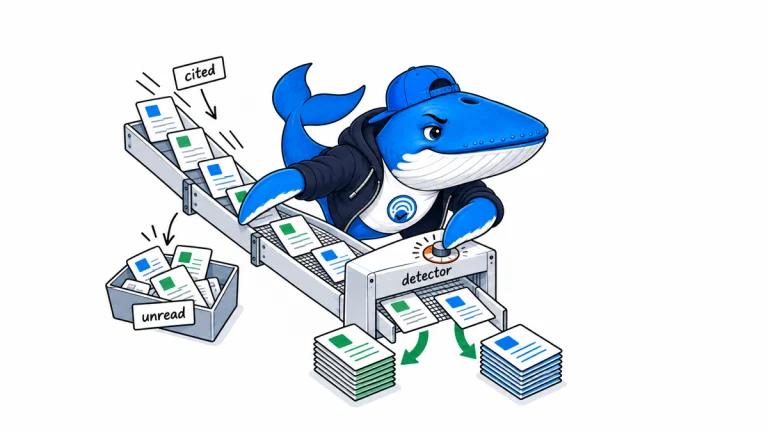
A 712-query audit found detector-classified synthetic pages among citations, but 27.1% of cited URLs were not analyzed and page accuracy was not tested.
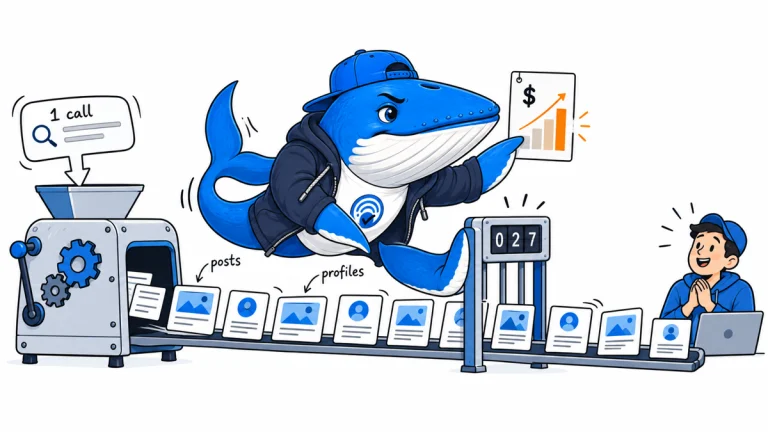
A result-count calculator shows why one X Search call can keep the same listed price or cost twenty times more after the billing unit changes.
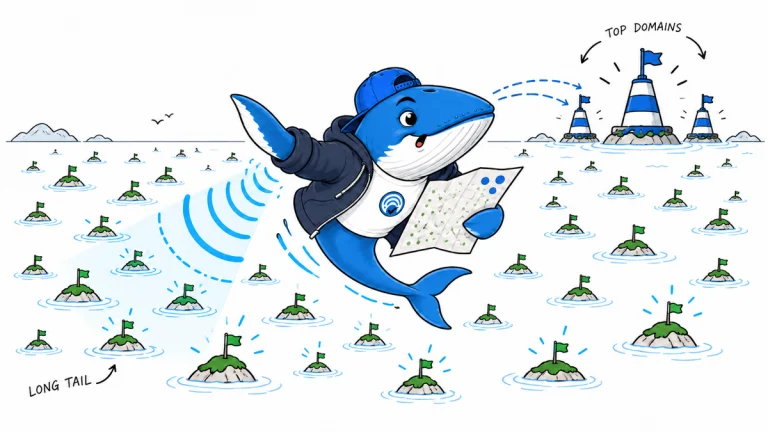
A source-long-tail recomputation plus a separate LinkedIn engine-mix example show why aggregate AI citation rankings can hide most domains and platform dependence.
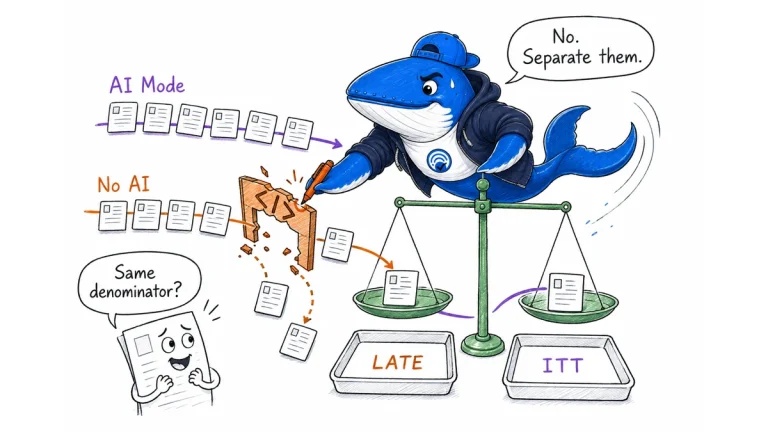
A field experiment found AI Mode assignment reduced publisher click-through by 18.8 points. Separate ITT, LATE, limits and site-specific measurement.
How the work is produced
SearchEngineAnswer separates documented facts from interpretation, shows important limits, and keeps meaningful corrections visible.
Current primary documentation is preferred for material facts and product behavior.
Recommendations include their scope, uncertainty, tradeoffs, and known limitations.
Each page aims to add a framework, test, checklist, tool, or example readers can use.
The Answer Brief
Get practical SEO and AI-search guidance, new experiments, and the workflows worth keeping.
Unsubscribe anytime. Your inbox stays yours.
Practical, evidence-based answers for earning visibility in search engines and AI answers.
Add us as a preferred source on GoogleGet the Chrome extension Read the living case study
Independent publication. Sources, corrections, authorship, and commercial relationships are disclosed openly.
Search the publication
Search reporting, guides, research, checklists, and tool profiles.
SearchEngineAnswer app
Install the site on your home screen for a focused, standalone reading experience. No app-store account is required.
On iPhone or iPad, open the browser Share menu and choose “Add to Home Screen.” On other devices, use your browser’s Install option when available.
Privacy controls
Required for security, saved controls, and remembering this choice.
Analytics and advertising use separate Google consent controls when available. These site preferences do not change Google consent.