The DNS root key has changed: check resolution before diagnosing a traffic drop
IANA confirmed the October 11 root-key rollover. If a site fails to load, separate resolver validation, HTTP access and search reporting before blaming rankings.
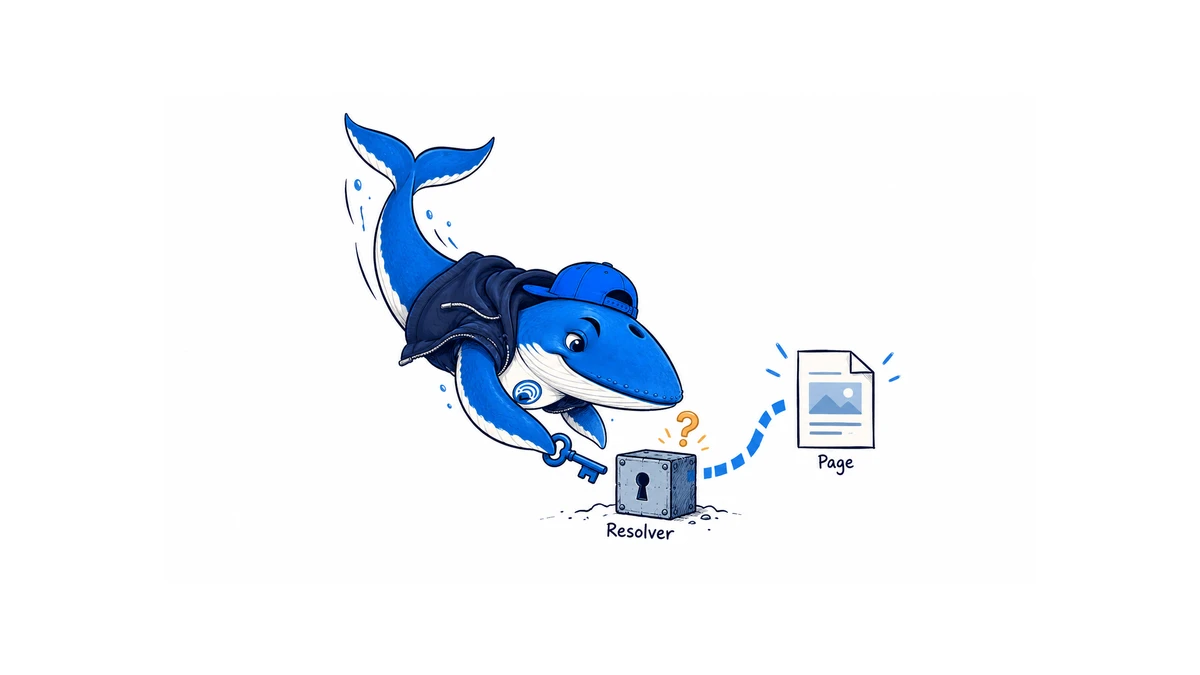
The DNS root zone began signing with its new key on October 11, IANA confirmed. The new key has tag 38696. Most users are not expected to experience disruption, but validating resolvers that lack the new trust anchor may fail DNSSEC validation.
That is a narrow infrastructure risk, not an announcement of a search-ranking change. A site owner seeing an error should identify where the request failed before rewriting pages or treating the timing as evidence of a Google update.
The rollover is confirmed; a particular outage still needs evidence
IANA’s trust-anchor record distinguishes the active signing key from older trust anchors. The previous key no longer signs the root zone but remains a valid trust anchor during the post-publication period. Root-key maintenance does not mean every website owner must rotate the keys for an individual domain.
Cloudflare’s advance explanation provides background on the rollover. Use IANA’s completion notice for the event state, rather than continuing to describe the change as merely scheduled. Neither source establishes that your resolver failed or that a crawler could not reach your site.
Work through the request in order
1. Can the name resolve in the affected environment?
Record the hostname, time, network, and resolver involved in the failure. Compare the same name through an independent resolver without changing production DNS. If one environment fails while another returns an address, that narrows the investigation toward the lookup path. It does not yet identify a stale root trust anchor: other DNS or network faults can produce similar symptoms.
2. Can a normal web request reach the page?
Once resolution succeeds, inspect the web request. Check the returned status, redirects, and response content. A DNS validation failure occurs before the server can return an HTTP page; a maintenance response or an application error occurs at a later stage. Keep those incidents separate in the record.
3. Is there a matching crawler failure?
Review recorded crawl errors and dated server evidence for the affected URL. A reader’s failed lookup on one network is not proof that Googlebot experienced the same problem. Search Console’s recorded state can also lag the incident. Align the observed interval before linking an availability fault to a discovery problem.
4. Did search visibility change after access was restored?
Only then compare page and query performance over appropriate periods. Mark the outage and the repair, along with other releases or campaigns. A drop after October 11 still needs an explanation; proximity to the root rollover does not supply one.
An incident note that avoids the wrong conclusion
Here is a hypothetical sequence, not a test of Search Engine Answer’s infrastructure: a monitoring job fails name resolution on one corporate network, a separate network resolves the name, and the site returns a normal page there. The defensible note is “lookup failure isolated to the first environment; cause under investigation.” “Google cannot index the site after the key change” adds two claims that those observations do not establish.
Send resolver evidence to the person responsible for that resolver. Follow current vendor and IANA guidance for trust-anchor maintenance; do not disable DNSSEC as a routine SEO fix. Stop before consequential DNS changes if the operator or scope is uncertain. The technical SEO launch checks and HTTP response-versus-client-failure explainer cover the adjacent layers without collapsing them into one availability score.
Keep learning
Ask a question or join the discussion